

Thinking about a sprinkler system? Most homeowners start with two questions: what will it cost, and how long will it take? Those matter. But a few other things are worth knowing before anyone puts a shovel in your yard, especially here in Missouri.
This guide covers how much water a St. Louis lawn really needs, the state rules that apply to irrigation systems, and what to expect from a professional sprinkler system installation.
How Much Water Does a St. Louis Lawn Need?
According to University of Missouri Extension, Missouri lawns may need one to 1½ inches of water a week, from rain or irrigation, to stay green and growing. In a hot, dry stretch, rain alone often falls short.
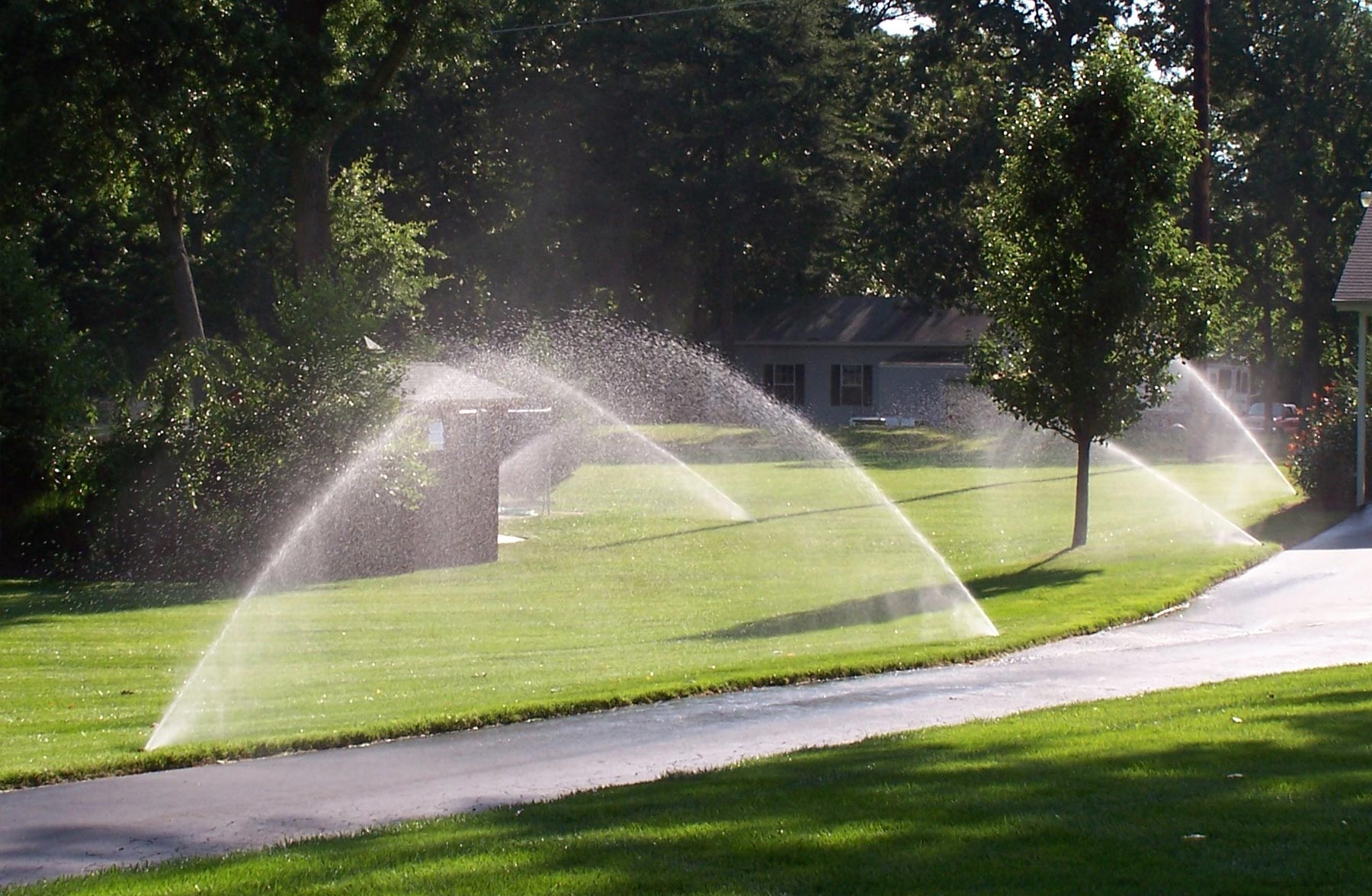
Timing matters too. MU Extension recommends watering between 6 a.m. and 8 a.m. That’s when water pressure is highest, wind is low, and very little water is lost to evaporation. Few people want to stand outside with a hose at 6 a.m. An automatic system can do it for you.
MU also lists a few signs that your lawn is thirsty:
- Leaves that look purple-blue and wilted
- Footprints that stay in the grass for hours
- Grass blades that fold or roll up
A well-designed irrigation system helps you avoid both problems: too little water in summer and too much water wasted the rest of the year.
Smart Controllers Can Cut Water Waste
Overwatering is common. The U.S. EPA’s WaterSense program says experts estimate that as much as 50 percent of outdoor water is wasted because of inefficient irrigation methods and systems.
The EPA also says that replacing a standard clock-based controller with a WaterSense labeled irrigation controller can save an average home up to 15,000 gallons of water a year. These controllers use weather or soil moisture data to adjust watering, instead of running on a fixed schedule no matter what.
Want to know more about how these systems work? Read how smart irrigation systems water your lawn.
Before Anyone Digs: Missouri’s 811 Rule
Installing a sprinkler system means trenching across your yard. Gas, electric, phone, and cable lines may be buried there.
Under Missouri statute 319.026, anyone planning to dig must notify the state’s 811 notification center at least two working days, but not more than ten working days, before digging starts. You can call 811 or file the notice online. The utilities then mark their lines so the digging can avoid them.
If you hire an installer, ask whether they handle the 811 request. If you’re doing any digging yourself, call 811 first.
Backflow Prevention: The Rule Many Homeowners Don’t Know About
A sprinkler system connects to your home’s drinking water supply. If water pressure drops, water from the irrigation lines could flow backward into that supply. A backflow prevention device stops that from happening.
The Missouri Department of Natural Resources lists lawn sprinkler systems as an example of a home connection that needs a backflow prevention assembly. It also says a certified backflow tester must test all backflow prevention devices every year.
Local water suppliers handle this in their own ways. For example:
- Missouri American Water says residential customers with permanently installed lawn sprinklers are required to install backflow prevention devices, and that the cost of the device, installation, and maintenance is the customer’s responsibility.
- The City of St. Peters requires an annual test report for each device by June 1. Late reports are charged a $30 fee per device, and service can be disconnected if a report is more than 60 days late.
- The City of Kirkwood says backflow prevention devices must be tested and inspected annually.
Rules vary by water supplier. The Missouri DNR recommends calling your local water supplier to confirm what applies at your home. It’s a good question to ask before installation, so the cost of the device and yearly testing is part of your plan from the start.
What Professional Sprinkler System Installation Involves
Every yard is different, so a good installation starts with a close look at your property. At Lawn Systems, that analysis covers things like paved surfaces, soil type, slope, sun exposure, and the plants you’re growing. Those details shape how the system is laid out.
From there, the yard is divided into zones. Each zone is planned around its own conditions, so a sunny slope and a shady garden bed don’t get the same amount of water. Most installations take one to two days. Larger or more complex properties may take longer.
If your yard has standing water or soggy spots, sprinklers alone won’t fix that. It may make sense to look at drainage solutions at the same time.
How Much Does a Sprinkler System Cost?
Cost depends on the size of your yard, the number of zones, and the equipment you choose. For current St. Louis price ranges, see the cost question on our irrigation and sprinkler systems page. The most accurate number comes from a free on-site estimate.
Plan Ahead for Winter
Sprinkler lines hold water, and water that freezes can crack pipes and fittings. That’s why irrigation systems in our area need to be winterized each fall.
According to the National Weather Service in St. Louis, the median date of the first fall freeze at Lambert Airport is November 1. Some years it comes much earlier. The earliest on record was September 28. A spring check-up before turning the system back on is a smart habit, too.
Ready to Talk About a Sprinkler System?
Lawn Systems has installed and serviced irrigation systems for St. Louis homeowners since 1985. We can walk you through design, installation, and seasonal service, and answer your questions along the way. Irrigation also pairs well with landscaping and landscape lighting if you’re planning a bigger outdoor upgrade.
Contact us or call 636-349-6640 for a free estimate.
