Blog

lawn care drainage

Drainage 101: Steps You Can Take to Help Prevent Water Accumulation

A common concern for many homeowners is proper drainage! Getting water off your property can be a challenge, but there are several steps you can take to mitigate water accumulation and prevent water-related issues. Here are some suggestions:

1. Improve Grading and Slope: Ensure your yard slopes away from your home to prevent water from accumulating around the foundation. A minimum slope of 1-2% (1-2 feet of fall per 100 feet of distance) is recommended.

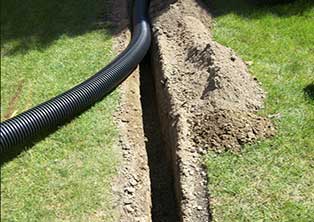
2. Install a French Drain: A French drain is a trench filled with gravel and a perforated pipe that redirects water away from your property. You can install one around your home’s perimeter or in areas where water tends to collect.

3. Use Swales or Rain Gardens: Create shallow ditches or depressions (swales) or plant rain gardens in low-lying areas to capture and filter rainwater. These features can help slow down water flow and allow it to infiltrate the soil.

4. Install a Sump Pump and Backup System: If you have a basement or crawlspace, consider installing a sump pump and backup system to remove water that accumulates in these areas.

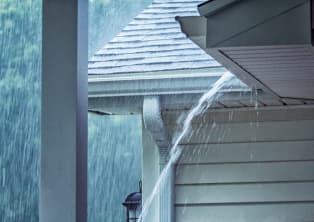
5. Improve Gutters and Downspouts: Ensure your gutters are clean, securely attached, and functioning properly. Install gutter guards to prevent debris accumulation. Extend downspouts at least 3-4 feet away from your home’s foundation to prevent water from seeping back towards the house.

6. Use Permeable Pavers or Pavement: Replace traditional pavement with permeable pavers or pavement to allow rainwater to infiltrate the soil.

7. Plant Water-Loving Vegetation: Incorporate plants that thrive in wet conditions, such as rain gardens or bog gardens, to help absorb excess water.

8. Install a Water Collection System: Consider installing a rainwater harvesting system to collect and store rainwater for non-potable uses, such as watering plants or washing cars.

9. Seal Cracks and Joints: Ensure your home’s foundation, walls, and pavement are free from cracks and joints that can allow water to seep in.

10. Regular Maintenance: Regularly inspect your property for signs of water accumulation and address any issues promptly to prevent further damage.

Remember to always follow local regulations and consult with professionals if you’re unsure about the best approach for your specific situation.

Do you have any specific concerns or areas of your property that you’re struggling with? Please reach out to our team, servicing the following communities: Fenton, St. Louis, Ladue, Chesterfield, St. Charles, and Lake St. Louis.
Waterfalls

Understanding the Basics of Proper Water Drainage

Water drainage refers to the process of directing water away from a building or property to prevent water accumulation, flooding, and damage. It involves the design, installation, and maintenance of systems and structures that facilitate the flow of water away from the property, ensuring that it doesn’t accumulate around the foundation, walls, or other areas.

Effective property drainage is crucial to prevent various issues, including:

1. Water damage: Water accumulation can seep into the building, causing damage to walls, floors, and ceilings.
2. Foundation problems: Water can erode the soil around the foundation, leading to structural issues, cracks, and settlement problems.
3. Pest and rodent infestations: Standing water can attract pests and rodents, which can lead to health hazards and property damage.
4. Landscaping and erosion: Poor drainage can cause soil erosion, leading to loss of landscaping, gardens, and outdoor features.
5. Health and safety risks: Standing water can create ideal breeding grounds for mosquitoes, which can spread diseases like Zika, dengue, and chikungunya.

Common property drainage solutions include:

1. Gutters and downspouts: Collecting and directing rainwater away from the building.
2. French drains: A trench filled with gravel and a perforated pipe that redirects water away from the property.
3. Swales: Shallow ditches that collect and filter rainwater, allowing it to infiltrate the soil slowly.
4. Rain gardens: Depressions in the ground that collect and filter rainwater, often featuring plants that thrive in wet conditions.
5. Sump pumps and backup systems: Mechanisms that pump water out of the property, often used in areas with high water tables or flooding risks.

Proper property drainage is essential to maintain the integrity of a building, prevent water-related issues, and ensure a safe and healthy living environment.

Need help with surveying your property for drainage concerns and a professional team who can create solutions? Please reach out to our team, servicing the following communities: Fenton, St. Louis, Ladue, Chesterfield, St. Charles, and Lake St. Louis.
Decorative Waterfall

Water Drainage: An Essential Investment For Your Property

Using water drainage systems on your property is crucial for several reasons. Here are some benefits of installing a proper drainage system:

1. Prevents Water Accumulation: Drainage helps to remove excess water from your property, preventing water from accumulating around your home, garden, or yard. This reduces the risk of water damage, erosion, and flooding.

2. Reduces Erosion: Without proper drainage, water can flow over the surface of your property, causing erosion and soil degradation. A drainage system helps to direct water away from your property, reducing the risk of erosion and soil loss.

3. Protects Your Home’s Foundation: Water accumulation around your home’s foundation can cause cracks, damage, and structural issues. A drainage system helps to direct water away from your home’s foundation, reducing the risk of damage and costly repairs.

4. Prevents Waterborne Diseases: Stagnant water can become a breeding ground for mosquitoes and other pests that can spread diseases like Zika, dengue fever, and chikungunya. A drainage system helps to eliminate standing water, reducing the risk of waterborne diseases.

5. Enhances Property Value: A well-designed drainage system can increase your property’s value by preventing water damage, reducing maintenance costs, and creating a more attractive and functional outdoor space.

6. Reduces Maintenance Costs: By preventing water damage and erosion, a drainage system can reduce maintenance costs associated with repairing or replacing damaged landscaping, hardscapes, and structures.

7. Improves Safety: A drainage system can improve safety by reducing the risk of slips, trips, and falls on wet surfaces, and by preventing water from accumulating in areas where people walk or play.

8. Protects Landscaping and Hardscapes: A drainage system helps to protect your landscaping and hardscapes from water damage, reducing the need for costly repairs or replacements.

9. Reduces Mosquito Breeding: By eliminating standing water, a drainage system can reduce the risk of mosquito breeding, which can help prevent the spread of diseases like Zika, dengue fever, and chikungunya.

10. Enhances Curb Appeal: A well-designed drainage system can enhance your property’s curb appeal, making it more attractive to potential buyers if you decide to sell in the future.

Overall, a drainage system is an essential investment for any property owner, as it helps to protect your home, landscaping, and hardscapes from water damage, erosion, and other issues.

Our team provides professional services and solutions to all your water drainage needs. Please reach out to our team, servicing the following communities: Fenton, St. Louis, Ladue, Chesterfield, St. Charles, and Lake St. Louis.
Rainwater falling off a roof

Property Drainage Priorities

Property drainage is a crucial aspect of maintaining a safe and healthy living or working environment. Here are some related topics that might be of interest:

1. Water Management: Managing water flow and runoff on a property, including drainage, to prevent water-related issues like flooding and erosion.

2. Stormwater Management: Managing stormwater runoff to prevent pollution, erosion, and flooding. It involves designing and implementing systems to capture, filter, and slowly release stormwater into the environment.

3. Sewer Systems: While not directly related to property drainage, sewer systems are often connected to drainage issues. Understanding how sewer systems work and how they interact with property drainage is essential.

4. Foundation Repair: Poor drainage can lead to foundation problems, such as cracks, settlement, and water damage. Understanding foundation repair techniques and how they relate to drainage issues is important.

5. Landscape Design: A well-designed landscape can help with property drainage by incorporating features like swales, rain gardens, and permeable pavers to manage water runoff.

6. Erosion Control: Erosion control measures, such as retaining walls, terracing, and vegetation, can help prevent soil erosion and landslides, which are often related to poor drainage.

7. Flood Control: Flood control measures, like levees, dams, and floodwalls, are designed to prevent or mitigate flooding, which is often linked to property drainage issues.

8. Water Conservation: Conserving water through efficient irrigation systems, rainwater harvesting, and low-water landscaping can reduce the burden on property drainage systems.

9. Soil Science: Understanding soil types, permeability, and water-holding capacity is essential for designing effective drainage systems and preventing water-related issues.

10. Environmental Impact: Property drainage can have environmental implications, such as water pollution, habitat disruption, and ecosystem damage. Understanding these impacts is crucial for sustainable drainage practices.

11. Drainage Regulations: Familiarity with local regulations, ordinances, and building codes related to property drainage is essential for compliance and avoiding legal issues.

12. Insurance and Liability: Property owners should be aware of the insurance implications of drainage-related issues and potential liabilities associated with water damage or flooding.

These topics are all interconnected and can have a significant impact on property drainage. By understanding these related topics, you’ll be better equipped to manage water on your property and prevent costly problems.

Our experts can help you create a plan to revitalize your property to take advantage of the latest strategies to move water away from areas you want to protect and utilize the slope of your yard for updated landscaping and water drainage techniques. Reach out to our team, servicing the following communities: Fenton, St. Louis, Ladue, Chesterfield, St. Charles, and Lake St. Louis.
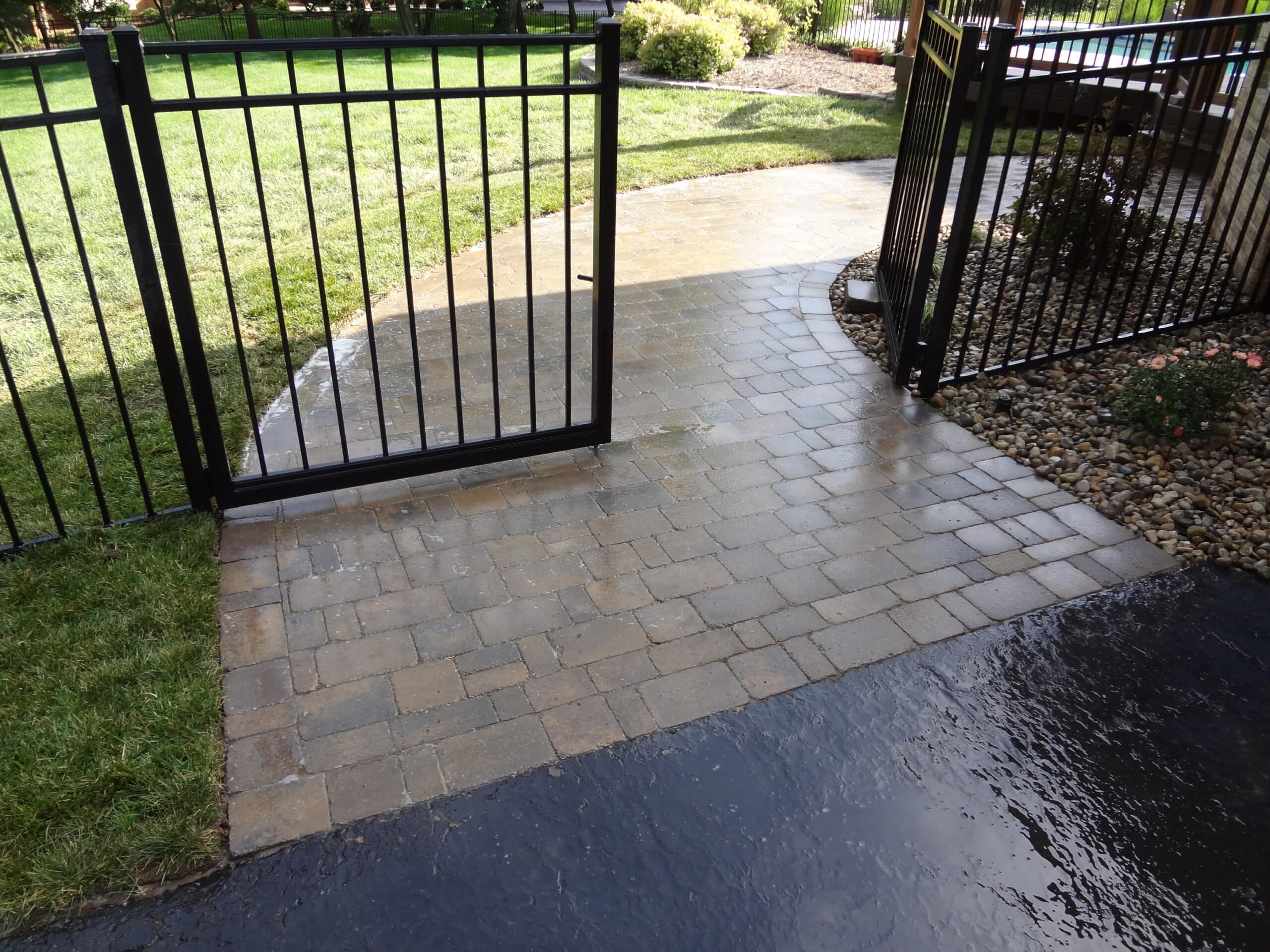
Paver Walkway and Black Gate

How to Create a Low-Maintenance Landscape

A low-maintenance landscape is the perfect solution to a busy lifestyle, allowing you to relax and unwind in your yard without the hassle of frequent watering, pruning, and upkeep. In this article, we’ll show you how to create a beautiful and functional low-maintenance landscape that fits your busy lifestyle.

Selecting the Right Plants

The key to a low-maintenance landscape starts with plant selection. Choose plants that are native to your region, as they are more adapted to the local climate and soil conditions, requiring less care. Consider the following factors when selecting plants:

Drought tolerance: Plants that can survive with minimal watering are ideal for busy homeowners.
Low growth rate: Plants that grow slowly require less pruning and maintenance.
Pest and disease resistance: Plants that are resistant to pests and diseases reduce the need for pesticides and fungicides.

Some excellent low-maintenance plant options include:

Groundcovers like sedum and creeping juniper
Ornamental grasses like pennisetum and switchgrass
Shrubs like boxwood and globe arborvitaes

Efficient Irrigation Systems

A well-designed irrigation system can save you time and water while keeping your plants healthy. Consider the following tips when designing your irrigation system:

Drip irrigation: Delivers water directly to the roots, reducing evaporation and runoff.
Rain sensors: Automatically shut off irrigation systems during rainfall.
Smart controllers: Adjust watering schedules based on weather data and soil moisture levels.

Hardscaping Materials for Low Maintenance

Hardscaping materials can significantly impact the maintenance requirements of your landscape. Choose materials that are durable, easy to clean, and require minimal upkeep. Consider the following options:

Pavers: Made from materials like concrete, brick, or stone, pavers are easy to clean and can withstand heavy foot traffic.
Natural Stone Walkways: Natural stone walkways provide an easy, long-lasting solution to hardscapes.
Landscape lighting: Install low-voltage lighting to highlight your landscape features without increasing maintenance.

Design Principles for a Low-Maintenance Landscape

A well-designed landscape can also contribute to its low maintenance requirements. Consider the following design principles:

Simple and symmetrical: Avoid complex designs that require frequent pruning and maintenance.
Mass planting: Plant groups of the same species to reduce the need for individual plant care.
Curved lines: Use curved lines to create a natural, effortless look that requires less edging and trimming.

Creating a low-maintenance landscape is within reach, even for the busiest of homeowners. By selecting the right plants, designing an efficient irrigation system, choosing the right hardscaping materials, and incorporating smart design principles, you can enjoy a beautiful and functional outdoor space without sacrificing your precious time and energy. Remember, a low-maintenance landscape is not only convenient but also environmentally friendly and cost-effective.

Remember to look to our professional line of services to keep your home and business lawn and landscaping looking great and with our help – maintenance free! Our services include: Sprinkler Systems, Landscaping, Lighting, Water Drainage Solutions, Outdoor Living Concepts, Water Features, Fertilization – Take a look at our gallery and read more about lawn services on our blog!

We serve the St. Louis community and the surrounding cities: Ballwin, Clayton, Fenton, Chesterfield, Ladue, Kirkwood, St. Charles, Lake St. Louis, Webster Groves and our surrounding area, call us today!

Waterfalls

Attracting Wildlife to Your Backyard

Attracting wildlife with wildlife-friendly landscaping into our backyards, we can reconnect with nature but also provide a haven for the creatures that call our planet home. In this article, we’ll explore the ways in which landscaping can be used to attract wildlife, including birds, butterflies, and pollinators, and highlight the benefits of creating a wildlife-friendly landscape.

Plant Selection: The Key to Attracting Wildlife

When it comes to attracting wildlife, plant selection is crucial. Different species of plants attract different types of wildlife, so it’s essential to choose plants that are native to your region and provide the necessary food, shelter, and habitat for the wildlife you want to attract.

Native Plants: The Best Choice for Wildlife

Native plants are the best choice for attracting wildlife because they have co-evolved with local species over thousands of years. These plants provide the perfect food source, shelter, and habitat for native wildlife, making them an essential component of any wildlife-friendly landscape. Some examples of native plants that attract wildlife include:

Blazing Star (Liatris spicata) that attract butterflies and hummingbirds
Bee balm (Monarda didyma) that attracts hummingbirds, butterflies, and pollinators
Native grasses (e.g., switchgrass, big bluestem) that provide habitat for small mammals and birds

Habitat Creation: Providing Shelter and Food

In addition to plant selection, habitat creation is critical for attracting wildlife. By creating different habitats within your backyard, you can attract a diverse range of species. Some examples of habitats you can create include:

Bird-friendly habitats: Incorporate plants with berries, seeds, or nectar to attract birds. Consider installing a bird feeder or bird bath to provide additional food and water sources.
Butterfly habitats: Create a butterfly garden with plants that provide nectar, host plants for caterpillars, and shelter from the wind and rain.
Pollinator habitats: Incorporate plants that provide nectar and pollen, such as sunflowers, zinnias, and lavender.

Water Features: A Crucial Element for Wildlife

Water is essential for all forms of life, and incorporating water features into your landscape can attract a wide range of wildlife. Some examples of water features you can install include:

Birdbaths: Provide a source of water for birds to drink and bathe in.
Ponds: Create a habitat for aquatic life, such as fish, frogs, and dragonflies.
Rain gardens: Collect and filter rainwater, providing a source of water for wildlife and reducing stormwater runoff.

Tips for Creating a Wildlife-Friendly Landscape

In addition to plant selection, habitat creation, and water features, here are some additional tips for creating a wildlife-friendly landscape:

Incorporate rocks, logs, and other natural features to provide shelter and habitat for wildlife.

The Benefits of Creating a Wildlife-Friendly Landscape

Creating a wildlife-friendly landscape not only benefits the local wildlife but also provides numerous benefits for humans. Some of the benefits of creating a wildlife-friendly landscape include:

Increased biodiversity: By attracting a diverse range of species, you can increase the biodiversity of your backyard.
Enhanced property value: A wildlife-friendly landscape can increase your property value and provide a unique selling point.
Environmental benefits: By reducing stormwater runoff and providing habitat for pollinators, you can contribute to a healthier environment.

Attracting wildlife to your backyard is a rewarding and beneficial experience that can be achieved through thoughtful landscaping. By selecting native plants, creating habitats, and incorporating water features, you can provide a haven for local wildlife. Remember to incorporate natural features, and create a diversity of habitats to attract a diverse range of species. By creating a wildlife-friendly landscape, you can not only benefit the local wildlife but also improve your own mental and physical health, enhance your property value, and contribute to a healthier environment. So why not start creating your own wildlife-friendly landscape today?

Remember to look to our professional line of services to keep your home and business lawn and landscaping looking great and with our help – maintenance free! Our services include: Sprinkler Systems, Landscaping, Lighting, Water Drainage Solutions, Outdoor Living Concepts, Water Features, Fertilization – Take a look at our gallery and read more about lawn services on our blog!

We serve the St. Louis community and the surrounding cities: Ballwin, Clayton, Fenton, Chesterfield, Ladue, Kirkwood, St. Charles, Lake St. Louis, Webster Groves and our surrounding area, call us today!

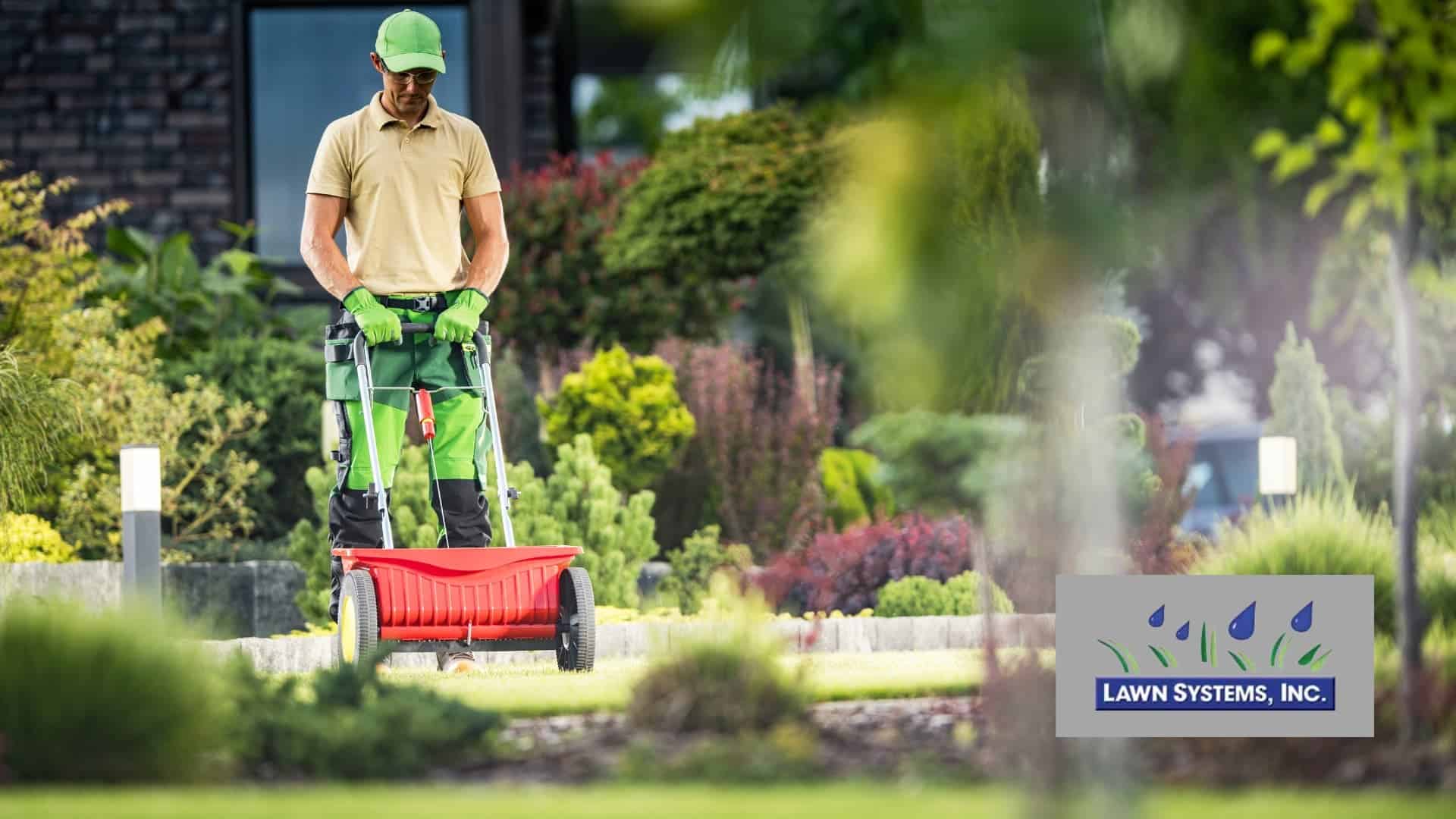
Person Fertilizing yard

Early Spring Pre-Emergent Treatment for Fertilization

As the last wisps of winter’s chill dissipate, homeowners and gardeners alike begin to think about preparing their lawns and gardens for the new growing season. One crucial step in this process is applying a pre-emergent treatment in early spring, a practice that offers numerous benefits for fertilization and overall lawn health.

What is Pre-Emergent Treatment?

Before delving into the advantages of early spring pre-emergent treatment, it’s essential to understand what it entails. Pre-emergent treatment involves applying a specialized herbicide to the soil before weeds and other unwanted plants germinate. This proactive approach prevents these pesky invaders from taking root, reducing the need for subsequent herbicide applications and minimizing the risk of lawn damage.

Benefits of Early Spring Pre-Emergent Treatment

1. Weed Prevention: The most significant advantage of early spring pre-emergent treatment is its ability to prevent weeds from germinating in the first place. By applying a pre-emergent herbicide, you can stop weeds like crabgrass, dandelions, and clover from taking hold, reducing the need for costly and time-consuming removal methods later in the season.

2. Reduced Herbicide Use: By preventing weeds from growing, you’ll require fewer herbicide applications throughout the season. This not only saves you money but also reduces the environmental impact of these chemicals.

3. Improved Lawn Health: Pre-emergent treatment creates an ideal environment for your desired grass species to thrive. With fewer weeds competing for resources, your lawn will receive the necessary nutrients, water, and sunlight to grow strong and healthy.

4. Enhanced Fertilization: When weeds are absent, fertilizers can be more effectively absorbed by your lawn, promoting healthy growth and development. This is especially important in early spring, when your lawn is recovering from winter dormancy.

5. Increased Curb Appeal: A weed-free lawn is not only healthier but also more aesthetically pleasing. By applying a pre-emergent treatment in early spring, you’ll enjoy a lush, vibrant lawn that enhances your property’s curb appeal.

6. Reduced Lawn Maintenance: With fewer weeds to contend with, you’ll spend less time mowing, edging, and trimming. This translates to more free time for you to enjoy your outdoor space.

7. Cost-Effective: While the initial investment in pre-emergent treatment may seem daunting, it’s a cost-effective solution in the long run. By reducing the need for subsequent herbicide applications and minimizing lawn damage, you’ll save money on lawn care and maintenance.

Timing is Everything

When it comes to pre-emergent treatment, timing is crucial. Applying the treatment too early or too late can render it ineffective. The ideal time for early spring pre-emergent treatment varies depending on your location and climate, but generally falls between late winter and early spring, when soil temperatures reach around 55°F (13°C).

At Lawn Systems, Inc., we have a program in place to help will all your fertilization needs, call us today to set up your scheduled fertilization visits!

Remember to look to our professional line of services to keep your home and business lawn and landscaping looking great and with our help – maintenance free! Our services include: Sprinkler Systems, Landscaping, Lighting, Water Drainage Solutions, Outdoor Living Concepts, Water Features, Fertilization – Take a look at our gallery and read more about lawn services on our blog!

We serve the St. Louis community and the surrounding cities: Ballwin, Clayton, Fenton, Chesterfield, Ladue, Kirkwood, St. Charles, Lake St. Louis, Webster Groves and our surrounding area, call us today!

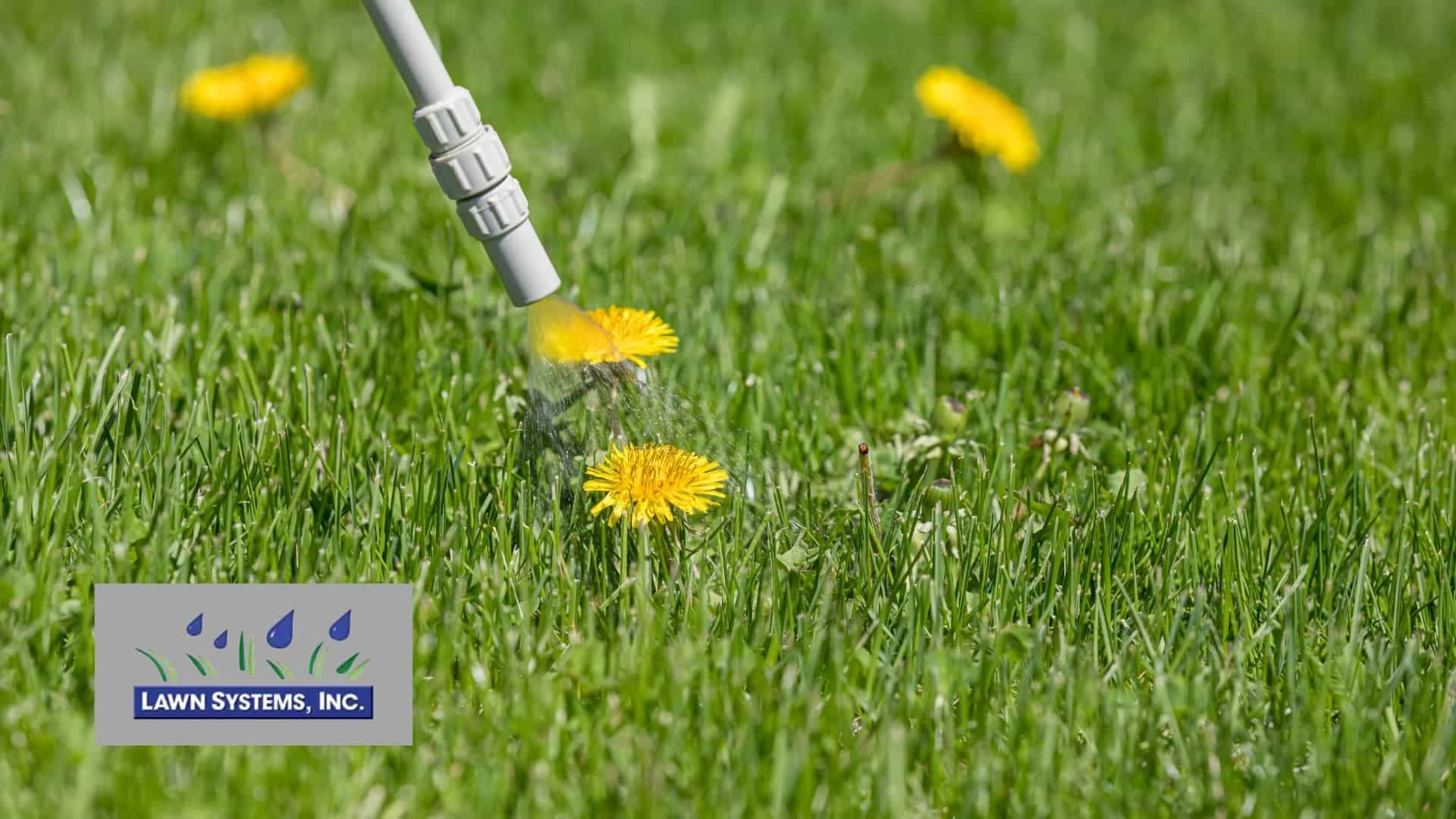
Spraying for weeds

The Importance of Weed Control in Landscaping

Weed control is not something you might think of when you want to update your landscaping. You’ve invested time, money, and effort into creating a beautiful landscape that enhances your property’s curb appeal and provides a serene atmosphere for relaxation and entertainment. However, one of the most significant threats to your landscape’s health and beauty is weeds. Weeds can quickly overrun your lawn, gardens, and hardscapes, stealing water, nutrients, and sunlight from your desired plants. This is where a landscaping company’s weed control application comes in – a crucial service that can make all the difference in maintaining a lush, thriving outdoor space.

The Consequences of Uncontrolled Weeds

Weeds are more than just an eyesore; they can have devastating consequences on your landscape’s ecosystem. Some of the most significant problems associated with uncontrolled weeds include:

Competition for Resources: Weeds compete with your desired plants for water, nutrients, and sunlight, leading to stunted growth, reduced yields, and increased susceptibility to disease and pests.
Erosion and Soil Degradation: Weeds can cause soil erosion, reduce soil quality, and increase the risk of soil compaction, making it difficult to grow healthy plants.
Increased Maintenance: Weeds require frequent mowing, pruning, and removal, adding to your maintenance costs and time.
Reduced Property Value: An overgrown, weedy landscape can decrease your property’s value and appeal.

The Benefits of Weed Control Applications

By applying weed control applications, Lawn Systems, Inc., can help you avoid these consequences and enjoy a thriving, low-maintenance outdoor space. Some of the benefits of weed control applications include:

Improved Aesthetics: Weed control applications can help maintain a neat, tidy appearance, enhancing your property’s curb appeal and value.
Increased Plant Health: By reducing competition for resources, weed control applications can promote healthy plant growth, reducing the risk of disease and pests.
Reduced Maintenance: With fewer weeds to contend with, you’ll spend less time and money on maintenance, freeing up resources for more enjoyable activities.
Environmental Benefits: Weed control applications can help reduce the spread of invasive species, protect native plants, and conserve water and nutrients.

How Weed Control Applications Work

Weed control applications typically involve the use of herbicides, which can be applied pre-emergent, post-emergent, or as a combination of both. Pre-emergent herbicides create a barrier on the soil surface, preventing weeds from germinating. Post-emergent herbicides target existing weeds, killing them on contact. Lawn Systems, Inc., may use a combination of these methods, depending on the type of weeds, soil conditions, and desired plants.

Types of Weed Control Applications

There are several types of weed control applications available, including:

Pre-Emergent Herbicides: Applied before weeds germinate, these herbicides create a barrier on the soil surface, preventing weeds from growing.
Post-Emergent Herbicides: Applied to existing weeds, these herbicides kill weeds on contact, providing quick results.
Selective Herbicides: These herbicides target specific weeds, leaving desired plants unharmed.
Organic Herbicides: Made from natural ingredients, these herbicides offer a more environmentally friendly option for weed control.

Why Choose Lawn Systems, Inc., for Weed Control Applications

While it may be tempting to tackle weed control on your own, hiring Lawn Systems, Inc., can provide numerous benefits, including:

Expertise: We have the knowledge and experience to identify weed species, choose the most effective herbicides, and apply them safely and efficiently.
Customized Solutions: We can develop a customized weed control plan tailored to your specific landscape, soil conditions, and desired plants.
Time-Saving: By outsourcing weed control, you’ll save time and energy, which can be better spent on more enjoyable activities.
Equipment and Resources: We have access to specialized equipment and resources, ensuring efficient and effective weed control applications.

At Lawn Systems, Inc., we have a program in place to help will all your fertilization needs, call us today to set up your scheduled fertilization visits!

Remember to look to our professional line of services to keep your home and business lawn and landscaping looking great and with our help – maintenance free! Our services include: Sprinkler Systems, Landscaping, Lighting, Water Drainage Solutions, Outdoor Living Concepts, Water Features, Fertilization – Take a look at our gallery and read more about lawn services on our blog!

We serve the St. Louis community and the surrounding cities: Ballwin, Clayton, Fenton, Chesterfield, Ladue, Kirkwood, St. Charles, Lake St. Louis, Webster Groves and our surrounding area, call us today!

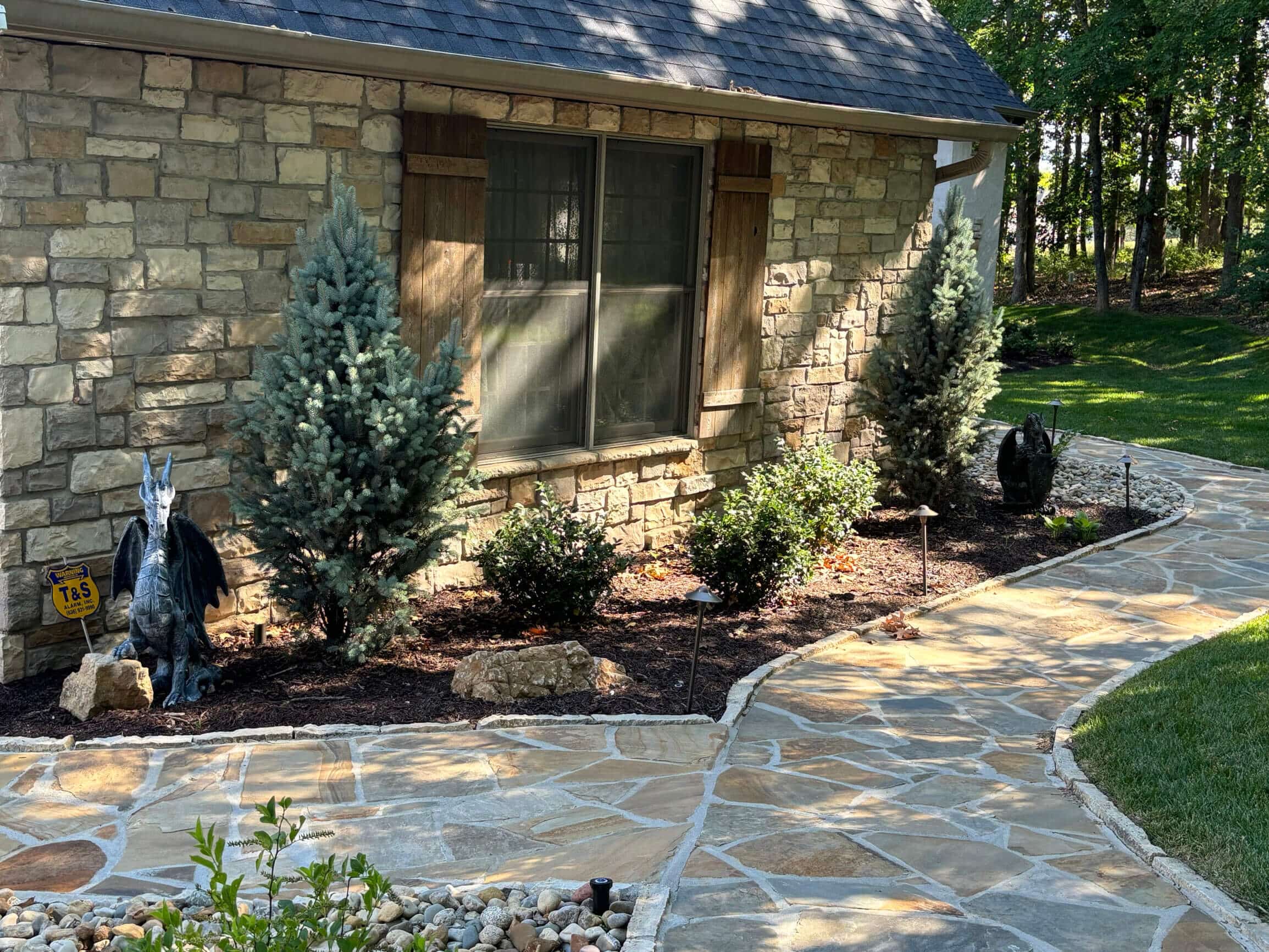
Natural stone pathway alongside natural stone house

Stone Pathways Create A Personalized Look That Complements Your Aesthetic

Stone pathways create depth and dimension to your landscaping. From the type of plants to the style of furniture, every decision can impact the overall aesthetic of your patio. However, one element that is often overlooked is the pathway. While it may seem like a minor detail, the right pathway can make a significant difference in the functionality and beauty of your outdoor space. In this article, we’ll explore why stone pathways are an excellent choice for your patio.

Durability and Low Maintenance

One of the primary benefits of stone pathways is their durability. Unlike other materials, such as wood or concrete, stone is resistant to wear and tear. It can withstand heavy foot traffic, harsh weather conditions, and even the occasional accidental spill. This means that you won’t have to worry about constant repairs or replacements, which can be a significant cost savings over time.

In addition to its durability, stone pathways are also incredibly low maintenance. Unlike wood, which requires regular staining and sealing, stone pathways can be cleaned with a simple hose down or sweep. This makes them an ideal choice for busy homeowners who don’t have a lot of time to devote to maintenance.

Aesthetic Appeal

Stone pathways are not only practical, but they’re also incredibly beautiful. With a wide range of colors, textures, and patterns to choose from, you can create a unique and personalized look that complements your patio’s overall aesthetic. From rustic, natural stone to sleek, polished stone, there’s a style to suit every taste.

One of the most significant advantages of stone pathways is their ability to blend seamlessly into their surroundings. Unlike other materials, which can look out of place or artificial, stone pathways seem to organically belong in their environment. This creates a sense of harmony and balance, making your patio feel more inviting and relaxing.

Safety and Accessibility

In addition to their aesthetic appeal, stone pathways can be an excellent choice for homeowners with mobility issues. Unlike smooth surfaces, which can be slippery and hazardous, most stone pathways provide traction and grip, making it easier to navigate your patio, even in wet or icy conditions.

Stone pathways are also an excellent choice for families with young children or pets. The textured surface provides a safe and stable surface for kids to play on, and the natural look of the stone can help to camouflage any dirt or stains, making it easier to keep your patio clean.

Environmental Benefits

In recent years, there has been a growing trend towards sustainability and eco-friendliness in home design. Stone pathways are an excellent choice for homeowners who want to reduce their environmental footprint. Unlike other materials, which may be manufactured using energy-intensive processes or sourced from unsustainable sources, stone is a natural, locally sourced material that requires minimal processing.

Additionally, stone pathways can help to reduce stormwater runoff, which can be a significant environmental concern. By allowing rainwater to percolate through the stone, you can reduce the amount of water that enters the storm drain system, which can help to prevent flooding and erosion.

Great Selling Point

Finally, stone pathways can be a significant selling point for homeowners who are looking to increase their property value. A well-designed stone pathway can add a touch of sophistication and elegance to your patio, making it more attractive to potential buyers.

In addition to their aesthetic appeal, stone pathways can also increase the functionality of your patio, making it more usable space. This can be a significant selling point for homeowners who are looking to appeal to a wide range of buyers.

When it comes to designing your patio, there are many decisions to make. However, one element that should be at the top of your list is the pathway. With its durability, low maintenance, and aesthetic appeal, stone pathways are an excellent choice for homeowners who want to create a beautiful, functional, and sustainable outdoor space. Whether you’re looking to increase your property value, create a safe and accessible space, or simply want to enjoy your outdoor space to the fullest, stone pathways are an excellent choice.

By choosing stone pathways for your patio, you can create a unique, personalized space that reflects your style and meets your needs. So why settle for a bland, boring pathway when you can have a beautiful, functional, and sustainable outdoor space that you’ll enjoy for years to come?

At Lawn Systems, Inc., we can incorporate a stone pathway and many other options that meet your design aesthetic and the scale of your lawn, call us today!

Remember to look to our professional line of services to keep your home and business lawn and landscaping looking great and with our help – maintenance free! Our services include: Sprinkler Systems, Landscaping, Lighting, Water Drainage Solutions, Outdoor Living Concepts, Water Features, Fertilization – Take a look at our gallery and read more about lawn services on our blog!

We serve the St. Louis community and the surrounding cities: Ballwin, Clayton, Fenton, Chesterfield, Ladue, Kirkwood, St. Charles, Lake St. Louis, Webster Groves and our surrounding area, call us today!

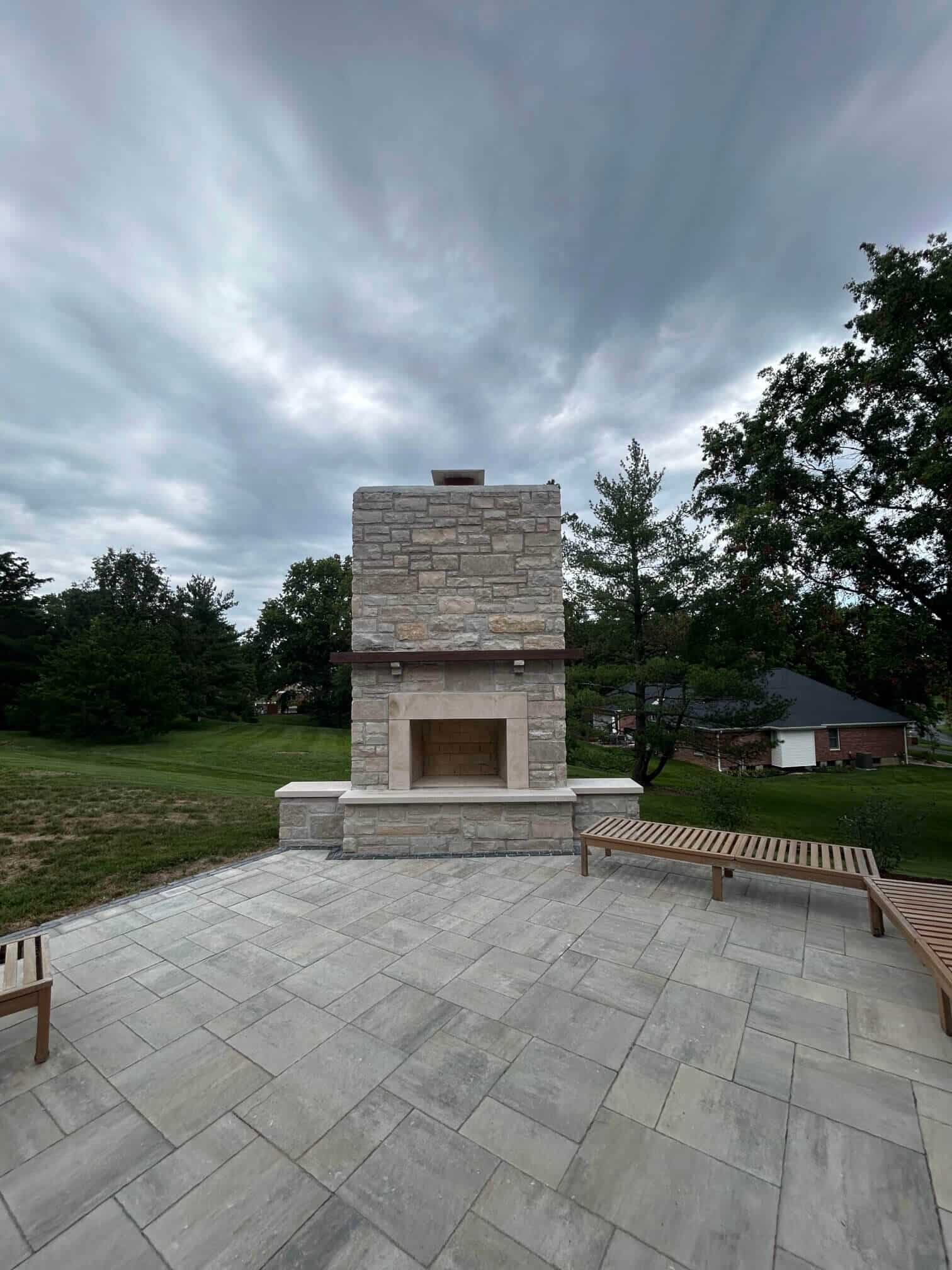
Stone patio with fireplace

Stone patio with fireplace

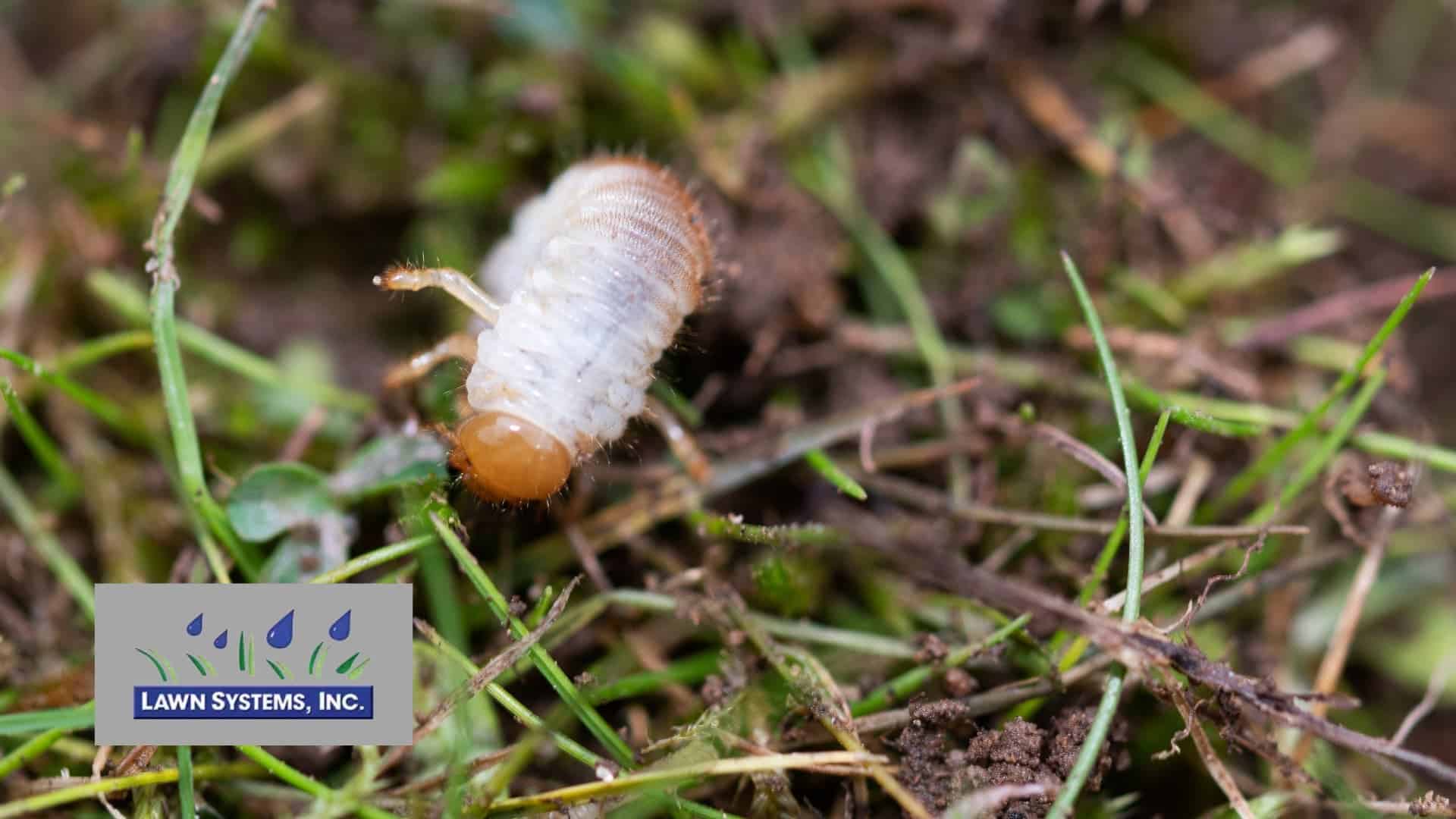
Grubs

Grub Control: Protecting Your Lawn from Unwanted Pests

What is Grub Control?

Before we dive into the benefits of grub control, it’s essential to understand what grubs are and how they affect your lawn. Grubs are the larvae of various beetle species, such as Japanese beetles, June beetles, and chafer beetles. These insects lay their eggs in the soil, and when they hatch, the grubs feed on the roots of your grass, causing significant damage.

The Consequences of Uncontrolled Grub Infestations

If left unchecked, grub infestations can lead to devastating consequences, including:

~Lawn Damage: Grubs feed on the roots of your grass, causing it to turn yellow, wilt, and eventually die.

~Increased Watering: As grubs consume the roots, your lawn may require more frequent watering, leading to higher water bills and potential drought stress.
~Pest Attraction: Grubs attract other pests, such as moles, raccoons, and birds, which can further damage your lawn.
~Reduced Property Value: A grub-infested lawn can decrease your property value, making it less attractive to potential buyers if you decide to sell.The Benefits of Grub Control ApplicationNow that we’ve discussed the consequences of uncontrolled grub infestations, let’s explore the benefits of grub control application:

1. Prevents Lawn Damage

Grub control application prevents grubs from feeding on your lawn’s roots, ensuring your grass remains healthy and thriving. By controlling grub populations, you can avoid the costly repairs associated with lawn damage.

2. Reduces Watering Needs

When grubs are under control, your lawn requires less frequent watering, saving you money on your water bill and reducing the risk of drought stress.

3. Deters Other Pests

By controlling grub populations, you’ll also deter other pests, such as moles, raccoons, and birds, which can cause additional damage to your lawn.

4. Increases Property Value

A healthy, grub-free lawn can increase your property value, making it more attractive to potential buyers if you decide to sell.

5. Enhances Lawn Aesthetics

Grub control application ensures your lawn looks its best, with lush, green grass that’s free from unsightly brown patches and bare spots.

6. Reduces Environmental Impact

By controlling grub populations, you’ll reduce the need for pesticides and other chemicals, minimizing your environmental footprint.

7. Cost-Effective

Grub control application is a cost-effective solution, especially when compared to the expense of repairing a damaged lawn.

8. Long-Term Protection

Many grub control products offer long-term protection, providing peace of mind and ensuring your lawn remains healthy and pest-free for months to come.

9. Prevents Soil Erosion

Grub control application helps prevent soil erosion, which can occur when grubs burrow into the soil, creating tunnels and holes that can lead to soil erosion.

10. Enhances Lawn Health

By controlling grub populations, you’ll promote healthy lawn growth, as your grass will be able to absorb the necessary nutrients and water without interference from grubs.

At Lawn Systems, Inc., we have a program in place to help will all your fertilization needs, call us today to set up your scheduled fertilization visits!

Remember to look to our professional line of services to keep your home and business lawn and landscaping looking great and with our help – maintenance free! Our services include: Sprinkler Systems, Landscaping, Lighting, Water Drainage Solutions, Outdoor Living Concepts, Water Features, Fertilization – Take a look at our gallery and read more about lawn services on our blog!

We serve the St. Louis community and the surrounding cities: Ballwin, Clayton, Fenton, Chesterfield, Ladue, Kirkwood, St. Charles, Lake St. Louis, Webster Groves and our surrounding area, call us today!