Blog

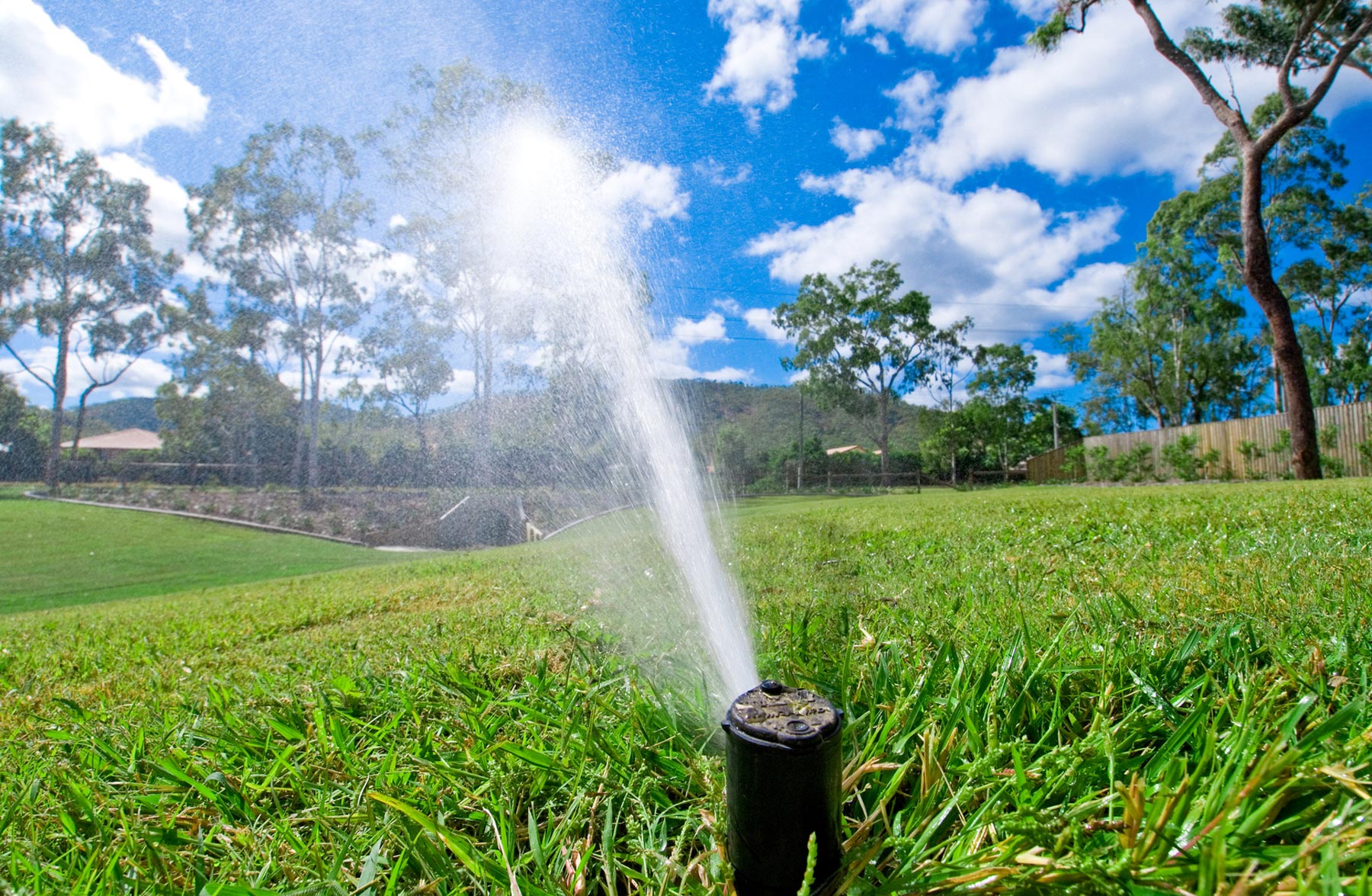
Sprinkler Closeup

The Intelligent Way to Water Your Lawn: How Smart Irrigation Systems Work

With a smart irrigation system, you can add time and dollars to your summer! As a homeowner, you take pride in maintaining a lush, green lawn that’s the envy of the neighborhood. But let’s face it – watering your lawn can be a daunting task, especially during hot summer months when it seems like your grass is constantly thirsty. Traditional irrigation systems can be wasteful, inefficient, and even damaging to your lawn if not properly calibrated. That’s where smart irrigation systems come in – a game-changing technology that ensures your lawn receives the right amount of water at the right time.

In this article, we’ll delve into the inner workings of smart irrigation systems, exploring how they detect when to water your lawn and the numerous benefits they offer. By the end of this article, you’ll be convinced that upgrading to a smart irrigation system is the intelligent choice for your lawn, your wallet, and the environment.

How Smart Irrigation Systems Work

Smart irrigation systems use a combination of sensors, weather data, and advanced algorithms to optimize watering schedules. These systems are designed to detect when your lawn needs water, taking into account factors such as soil moisture, temperature, humidity, and precipitation.Here are the key components that make up a smart irrigation system:

1. Soil Moisture Sensors: These sensors are buried in the soil and measure the moisture levels, providing real-time data on the soil’s water content. This information helps the system determine when the soil is dry enough to require watering.
2. Weather Stations: Weather stations or internet-connected weather services provide real-time weather data, including temperature, humidity, wind speed, and precipitation. This data helps the system adjust watering schedules based on weather conditions.
3. Rain Sensors: Rain sensors detect rainfall and automatically adjust watering schedules to avoid overwatering.
4. Smart Controllers: The brain of the system, smart controllers process data from the sensors and weather stations to determine the optimal watering schedule.

How Smart Irrigation Systems Detect When to Water

Smart irrigation systems use a variety of methods to detect when your lawn needs water. Here are some of the ways they determine the perfect watering schedule:

1. Soil Moisture Levels: By monitoring soil moisture levels, the system can detect when the soil is dry enough to require watering. This ensures that your lawn receives the right amount of water, avoiding overwatering or underwatering.
2. Evapotranspiration (ET): ET is the process by which plants release water vapor into the air. Smart irrigation systems use ET data to calculate the amount of water lost through evaporation and transpiration, adjusting watering schedules accordingly.
3. Weather Forecasting: By analyzing weather forecasts, smart irrigation systems can anticipate changes in weather patterns and adjust watering schedules to ensure your lawn receives the right amount of water.
4. Historical Data: Smart irrigation systems can analyze historical data on your lawn’s watering needs, taking into account factors such as soil type, grass type, and climate.

Benefits of Smart Irrigation Systems

Upgrading to a smart irrigation system offers numerous benefits, including:

1. Water Conservation: Water Conservation: Overwatering is common. The U.S. EPA estimates that as much as 50 percent of outdoor water is wasted due to inefficient irrigation, and that replacing a standard clock-based controller with a WaterSense labeled controller can save an average home up to 15,000 gallons of water a year.
2. Cost Savings: By optimizing watering schedules, smart irrigation systems can help you save money on your water bill.
3. Lawn Health: Smart irrigation systems ensure your lawn receives the right amount of water, reducing the risk of overwatering or underwatering, which can lead to disease, pests, and weed growth.
4. Increased Efficiency: Smart irrigation systems automate watering schedules, freeing up your time for more important tasks.
5. Customization: Smart irrigation systems can be customized to meet the specific needs of your lawn, taking into account factors such as soil type, grass type, and climate.

Smart irrigation systems are the intelligent way to water your lawn, offering a range of benefits that make them a worthwhile investment. By detecting when your lawn needs water and optimizing watering schedules, smart irrigation systems ensure your lawn receives the right amount of water, reducing waste and conserving this precious resource.

If you’re tired of wasting water and money on inefficient irrigation systems, it’s time to upgrade to a smart irrigation system. With their advanced technology and ability to detect when your lawn needs water, smart irrigation systems are the perfect solution for homeowners who want to maintain a healthy, thriving lawn while doing their part for the environment.

Thinking about installing one? Read what to know before sprinkler system installation in St. Louis.

Contact Lawn Systems today to schedule a consultation and learn more about the benefits of upgrading to a modern irrigation system. Make the intelligent choice for your lawn – invest in a smart irrigation system today!

Remember to look to our professional line of services to keep your home and business lawn and landscaping looking great and with our help – maintenance free! Our services include: Sprinkler Systems, Landscaping, Lighting, Water Drainage Solutions, Outdoor Living Concepts, Water Features, Fertilization – Take a look at our gallery and read more about lawn services on our blog!


We serve the St. Louis community and the surrounding cities: Ballwin, Clayton, Fenton, Chesterfield, Ladue, Kirkwood, St. Charles, Lake St. Louis, Webster Groves and our surrounding area, call us today!
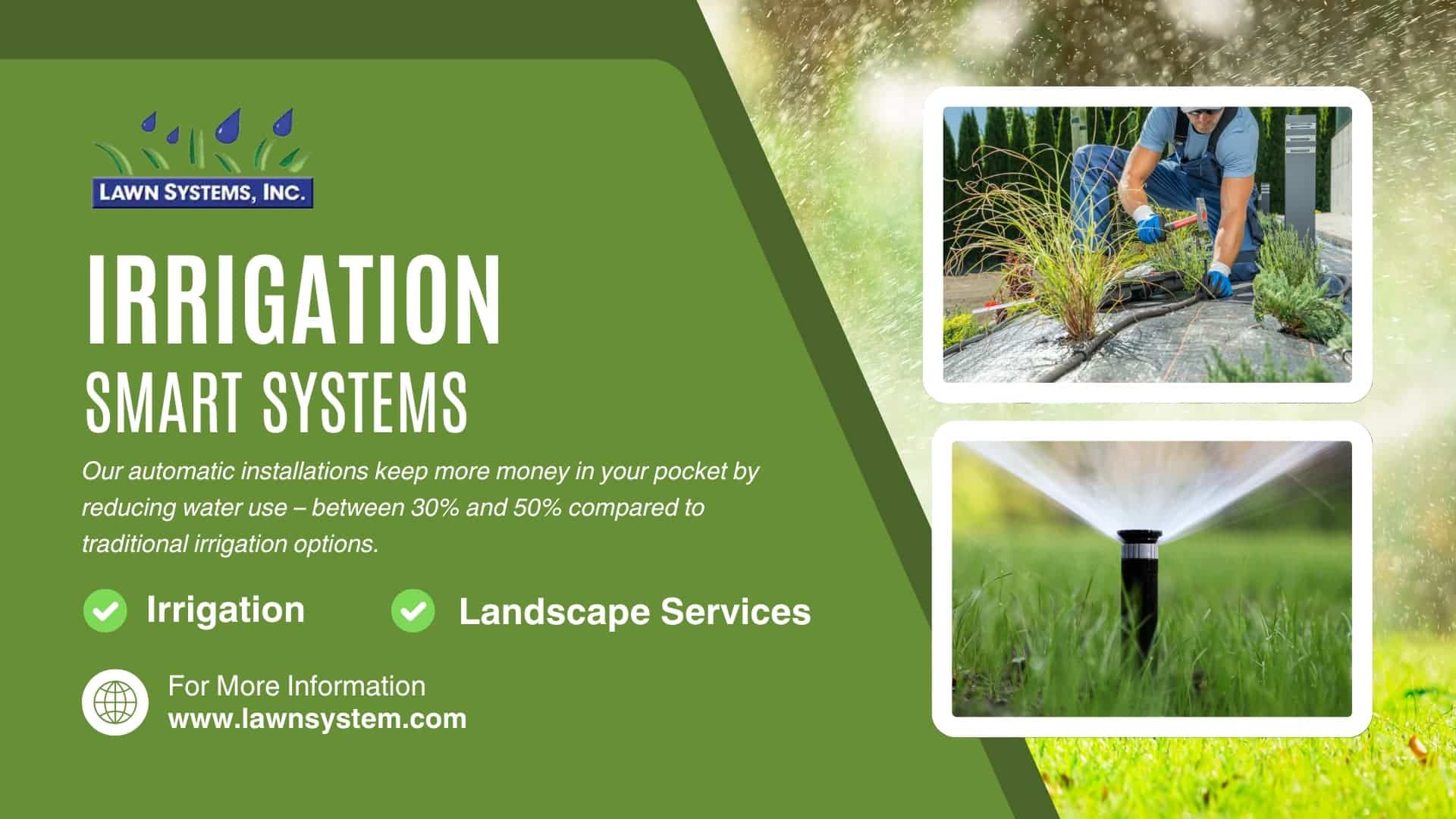
Irrigation Smart Systems

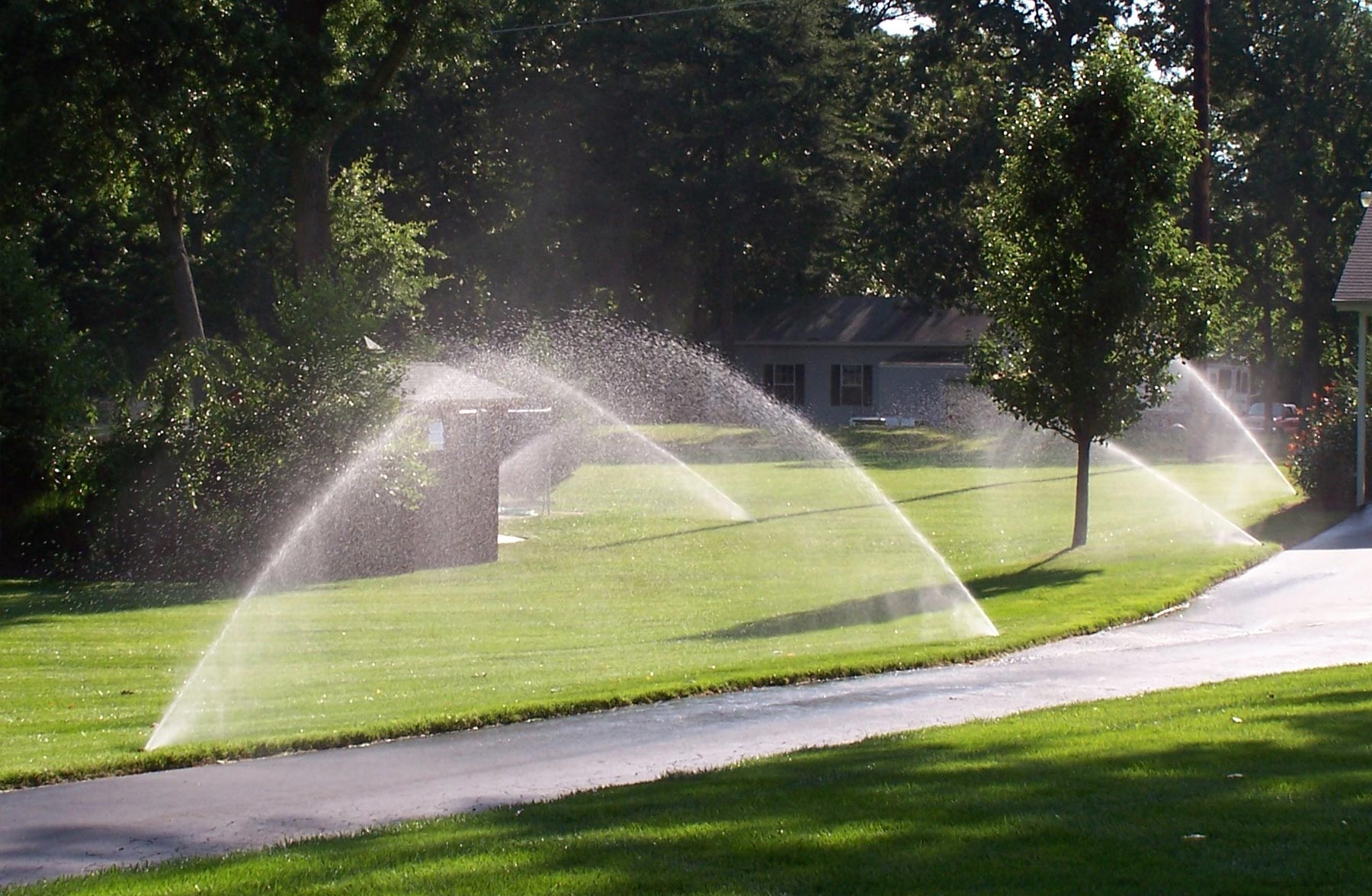
Sprinklers Watering a Lawn

What to Know Before Installing a Sprinkler System in St. Louis

Thinking about a sprinkler system? Most homeowners start with two questions: what will it cost, and how long will it take? Those matter. But a few other things are worth knowing before anyone puts a shovel in your yard, especially here in Missouri.

This guide covers how much water a St. Louis lawn really needs, the state rules that apply to irrigation systems, and what to expect from a professional sprinkler system installation.

How Much Water Does a St. Louis Lawn Need?

According to University of Missouri Extension, Missouri lawns may need one to 1½ inches of water a week, from rain or irrigation, to stay green and growing. In a hot, dry stretch, rain alone often falls short.

Timing matters too. MU Extension recommends watering between 6 a.m. and 8 a.m. That’s when water pressure is highest, wind is low, and very little water is lost to evaporation. Few people want to stand outside with a hose at 6 a.m. An automatic system can do it for you.

MU also lists a few signs that your lawn is thirsty:

  • Leaves that look purple-blue and wilted
  • Footprints that stay in the grass for hours
  • Grass blades that fold or roll up

A well-designed irrigation system helps you avoid both problems: too little water in summer and too much water wasted the rest of the year.

Smart Controllers Can Cut Water Waste

Overwatering is common. The U.S. EPA’s WaterSense program says experts estimate that as much as 50 percent of outdoor water is wasted because of inefficient irrigation methods and systems.

The EPA also says that replacing a standard clock-based controller with a WaterSense labeled irrigation controller can save an average home up to 15,000 gallons of water a year. These controllers use weather or soil moisture data to adjust watering, instead of running on a fixed schedule no matter what.

Want to know more about how these systems work? Read how smart irrigation systems water your lawn.

Before Anyone Digs: Missouri’s 811 Rule

Installing a sprinkler system means trenching across your yard. Gas, electric, phone, and cable lines may be buried there.

Under Missouri statute 319.026, anyone planning to dig must notify the state’s 811 notification center at least two working days, but not more than ten working days, before digging starts. You can call 811 or file the notice online. The utilities then mark their lines so the digging can avoid them.

If you hire an installer, ask whether they handle the 811 request. If you’re doing any digging yourself, call 811 first.

Backflow Prevention: The Rule Many Homeowners Don’t Know About

A sprinkler system connects to your home’s drinking water supply. If water pressure drops, water from the irrigation lines could flow backward into that supply. A backflow prevention device stops that from happening.

The Missouri Department of Natural Resources lists lawn sprinkler systems as an example of a home connection that needs a backflow prevention assembly. It also says a certified backflow tester must test all backflow prevention devices every year.

Local water suppliers handle this in their own ways. For example:

  • Missouri American Water says residential customers with permanently installed lawn sprinklers are required to install backflow prevention devices, and that the cost of the device, installation, and maintenance is the customer’s responsibility.
  • The City of St. Peters requires an annual test report for each device by June 1. Late reports are charged a $30 fee per device, and service can be disconnected if a report is more than 60 days late.
  • The City of Kirkwood says backflow prevention devices must be tested and inspected annually.

Rules vary by water supplier. The Missouri DNR recommends calling your local water supplier to confirm what applies at your home. It’s a good question to ask before installation, so the cost of the device and yearly testing is part of your plan from the start.

What Professional Sprinkler System Installation Involves

Every yard is different, so a good installation starts with a close look at your property. At Lawn Systems, that analysis covers things like paved surfaces, soil type, slope, sun exposure, and the plants you’re growing. Those details shape how the system is laid out.

From there, the yard is divided into zones. Each zone is planned around its own conditions, so a sunny slope and a shady garden bed don’t get the same amount of water. Most installations take one to two days. Larger or more complex properties may take longer.

If your yard has standing water or soggy spots, sprinklers alone won’t fix that. It may make sense to look at drainage solutions at the same time.

How Much Does a Sprinkler System Cost?

Cost depends on the size of your yard, the number of zones, and the equipment you choose. For current St. Louis price ranges, see the cost question on our irrigation and sprinkler systems page. The most accurate number comes from a free on-site estimate.

Plan Ahead for Winter

Sprinkler lines hold water, and water that freezes can crack pipes and fittings. That’s why irrigation systems in our area need to be winterized each fall.

According to the National Weather Service in St. Louis, the median date of the first fall freeze at Lambert Airport is November 1. Some years it comes much earlier. The earliest on record was September 28. A spring check-up before turning the system back on is a smart habit, too.

Ready to Talk About a Sprinkler System?

Lawn Systems has installed and serviced irrigation systems for St. Louis homeowners since 1985. We can walk you through design, installation, and seasonal service, and answer your questions along the way. Irrigation also pairs well with landscaping and landscape lighting if you’re planning a bigger outdoor upgrade.

Contact us or call 636-349-6640 for a free estimate.

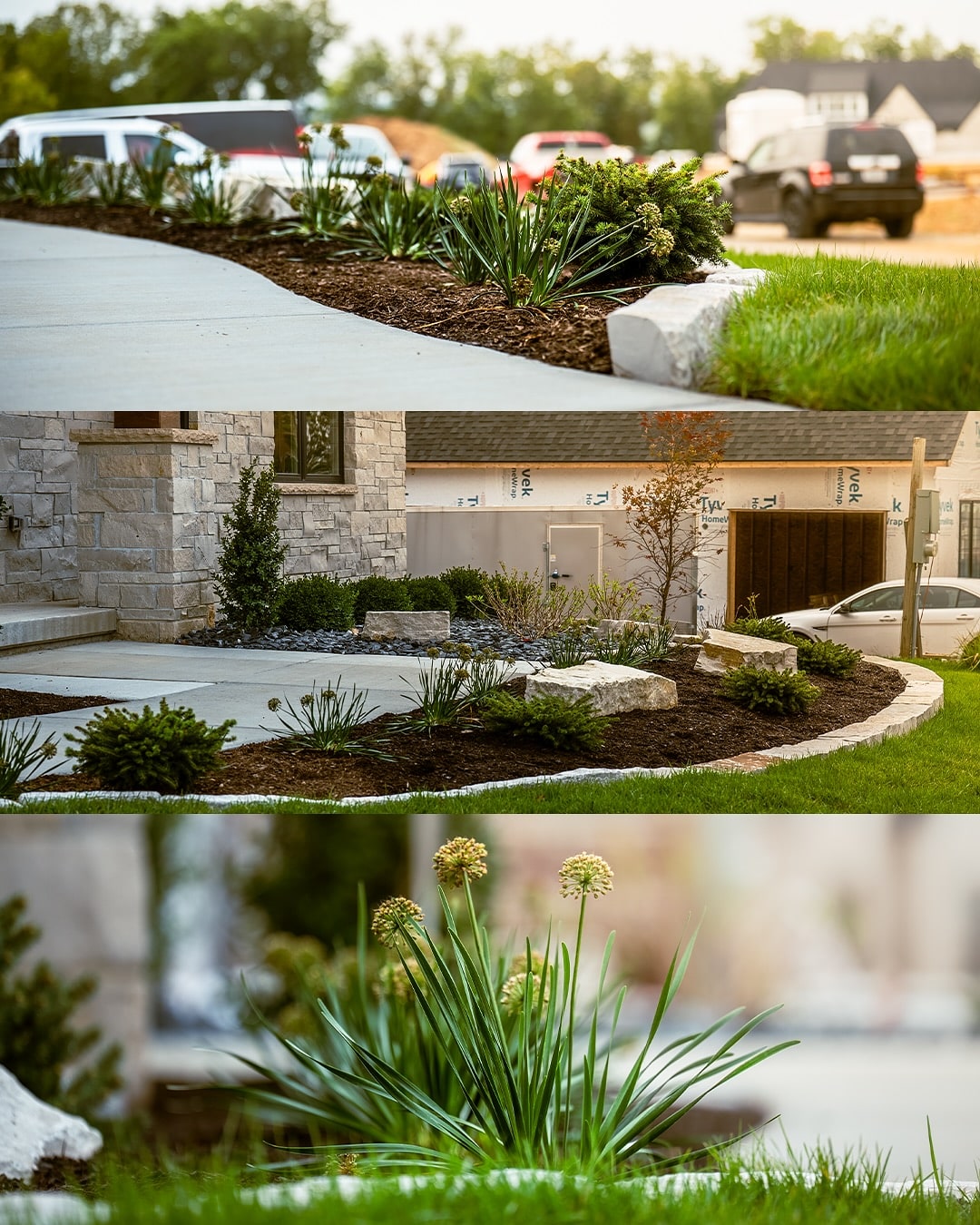
New landscaping in new construction

Hiring Lawn Systems, Inc. – Your Landscaping Professional

Hiring a professional landscaper can transform your outdoor space in ways that go far beyond aesthetics. Here’s why it’s often worth the investment:

Expertise and Vision
– Design skills: Landscapers understand how to balance form and function, creating layouts that are both beautiful and practical.
– Plant knowledge: They know which plants thrive in your climate, soil type, and sun exposure—saving you from costly trial and error.
– Problem-solving: Drainage issues? Erosion? Poor soil? A pro can diagnose and fix these with long-term solutions.

Efficiency and Quality
– Proper tools and equipment: Professionals come equipped with everything needed to do the job right and fast.
– Skilled labor: From installing irrigation systems to building retaining walls, they bring precision and experience.
– Time savings: What might take you weeks or months can be done in days by a team of experts.

Long-Term Value
– Can boost property value: A well-designed landscape can significantly increase curb appeal and resale value.
– Saves money over time: Healthy plants, efficient irrigation, and durable hardscaping reduce maintenance and replacement costs.
– Sustainable choices: Many landscapers incorporate eco-friendly practices like native planting and water conservation.

If you’re dreaming of a backyard oasis or just want your front yard to stop looking like a jungle, a professional landscaper can make it happen—without the stress. Want help finding one in your area or tips on what to ask before hiring?

At Lawn Systems, Inc., we can incorporate landscaping features and many other options that meet your design aesthetic and the scale of your lawn, call us today!

Remember to look to our professional line of services to keep your home and business lawn and landscaping looking great and with our help – maintenance free! Our services include: Sprinkler Systems, Landscaping, Lighting, Water Drainage Solutions, Outdoor Living Concepts, Water Features, Fertilization – Take a look at our gallery and read more about lawn services on our blog!

We serve the St. Louis community and the surrounding cities: Ballwin, Clayton, Fenton, Chesterfield, Ladue, Kirkwood, St. Charles, Lake St. Louis, Webster Groves and our surrounding area, call us today!
Hire a Professional

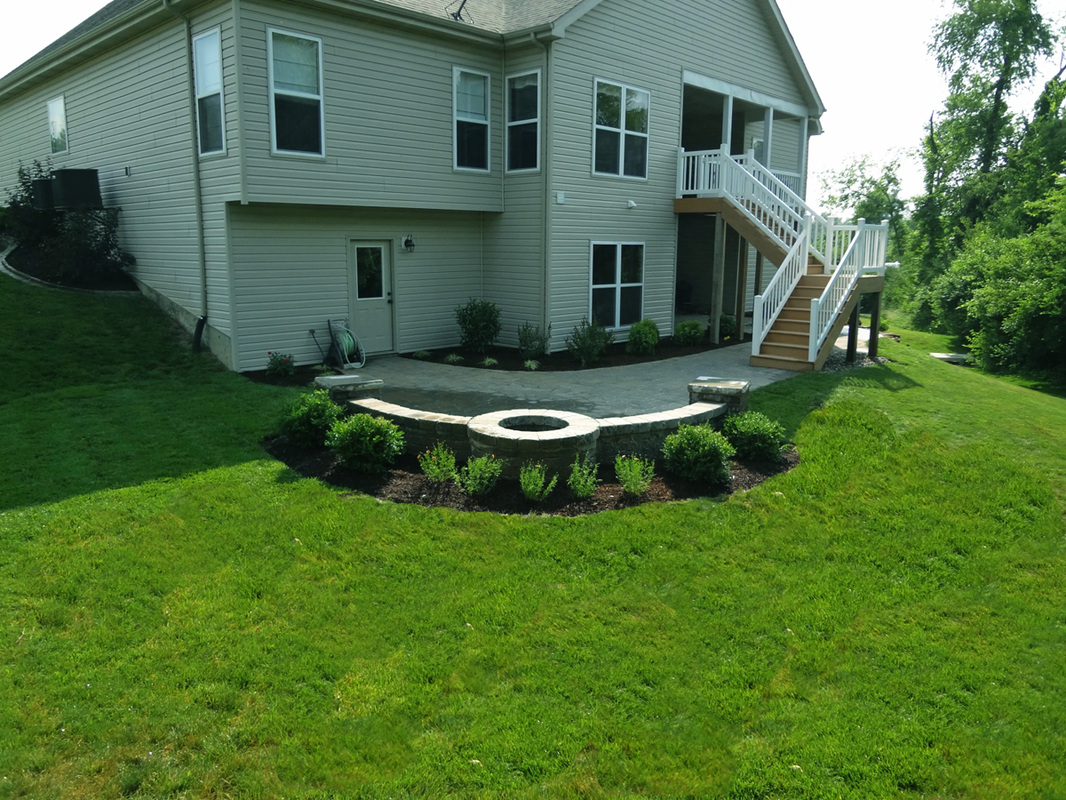
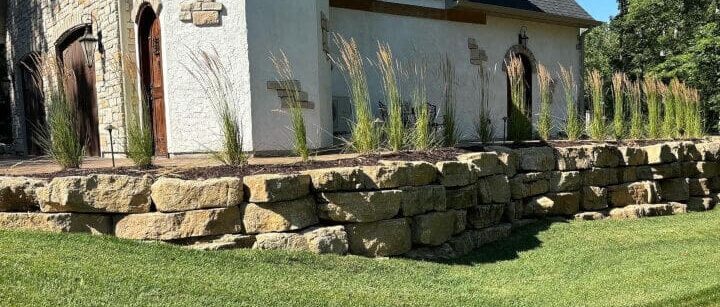
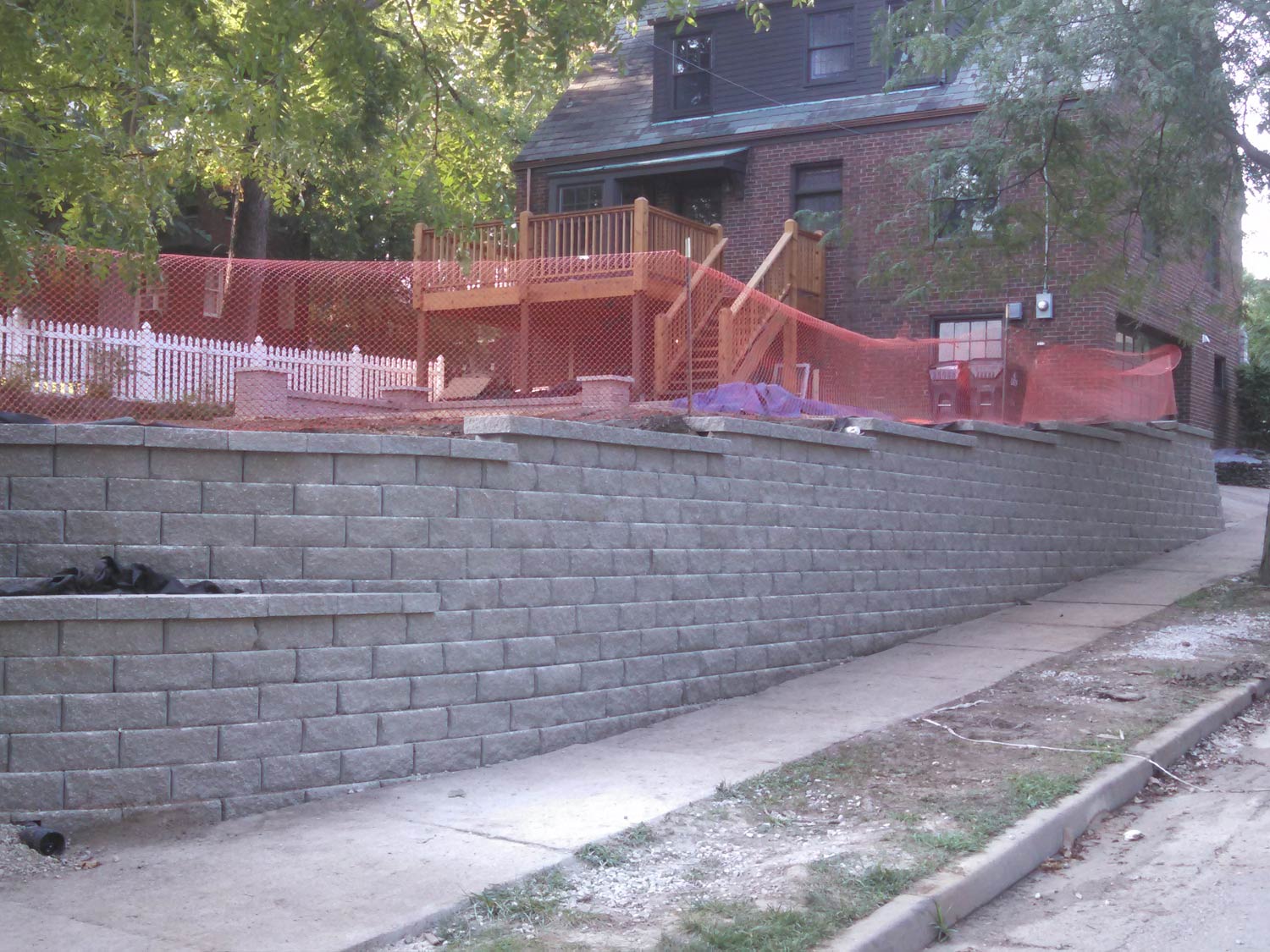
Backyard and Sidewalk After

The Necessity of Retaining Walls: Why They’re a Crucial Investment for Your Property

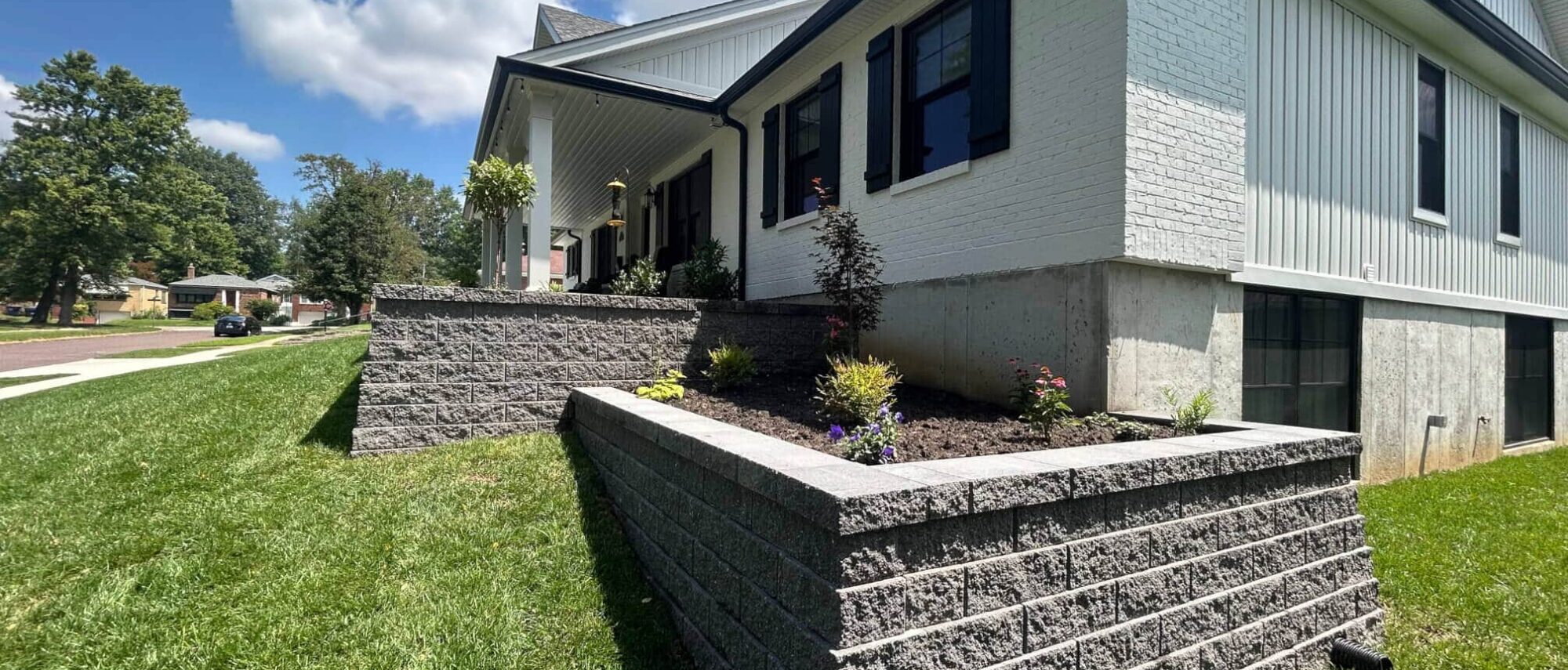
Have you considered the importance of retaining walls in maintaining the integrity and safety of your property? Retaining walls are often overlooked, but they play a vital role in preventing soil erosion, landslides, and structural damage to your home or building. A retaining wall is a structure designed to hold back soil, rocks, or other materials from moving or sliding downhill. These walls are typically built on sloping or uneven terrain, where the soil is prone to erosion or landslides. Retaining walls can be constructed from various materials, including concrete, stone, brick, or wood, and can be designed to blend seamlessly with the surrounding landscape.

The Risks of Not Having a Retaining Wall

Without a retaining wall, your property is at risk of suffering from soil erosion, landslides, and structural damage. Here are some of the potential consequences of not having a retaining wall:

Soil Erosion: Soil erosion can lead to the loss of valuable land, damage to nearby structures, and increased maintenance costs. As soil is washed or blown away, it can expose underlying foundations, pipes, and other infrastructure, causing costly repairs.
Landslides: Landslides can be devastating, causing damage to buildings, roads, and other infrastructure. They can also lead to loss of life and property.
Structural Damage: Without a retaining wall, your home or building may be at risk of structural damage due to soil movement or settlement. This can lead to cracks in walls, floors, and foundations, compromising the integrity of your property.
Water Damage: Retaining walls can also help prevent water damage by redirecting water flow away from your property. Without a retaining wall, water can accumulate, leading to flooding, foundation damage, and mold growth.

The Benefits of Retaining Walls

Retaining walls offer numerous benefits, including:

Soil Stabilization: Retaining walls hold back soil, preventing erosion and landslides, and maintaining the integrity of your property.
Increased Property Value: A well-designed retaining wall can enhance the aesthetic appeal of your property, increasing its value and curb appeal.
Improved Safety: Retaining walls can prevent accidents and injuries by stabilizing slopes and preventing landslides.
Reduced Maintenance: Retaining walls can reduce maintenance costs by preventing soil erosion and water damage.
Environmental Benefits: Retaining walls can help prevent soil pollution by containing soil and preventing it from entering waterways.

Design and Construction Considerations

When designing and constructing a retaining wall, it’s essential to consider the following factors:

Site Analysis: Conduct a thorough site analysis to determine the soil type, slope, and drainage patterns.
Material Selection: Choose a material that suits your climate, soil type, and budget.
Drainage: Ensure proper drainage behind the wall to prevent water accumulation and erosion.
Structural Integrity: Ensure the wall is structurally sound and can withstand soil pressure and water flow.

Retaining walls are a crucial investment for any property owner. They provide a range of benefits, from soil stabilization and increased property value to improved safety and reduced maintenance costs. By understanding the risks of not having a retaining wall and the benefits they offer, you can make an informed decision about investing in a retaining wall for your property.

Don’t wait until it’s too late. Protect your property and investment by installing a retaining wall today. Contact Us Today to design and construct a retaining wall that meets your specific needs and ensures the long-term integrity of your property.

Remember to look to our professional line of services to keep your home and business lawn and landscaping looking great and with our help – maintenance free! Our services include: Sprinkler Systems, Landscaping, Lighting, Water Drainage Solutions, Outdoor Living Concepts, Water Features, Fertilization – Take a look at our gallery and read more about lawn services on our blog!

We serve the St. Louis community and the surrounding cities: Ballwin, Clayton, Fenton, Chesterfield, Ladue, Kirkwood, St. Charles, Lake St. Louis, Webster Groves and our surrounding area, call us today!

Fertilizer

Fertilizers Will Help Your Lawn Exhibit More Uniformity

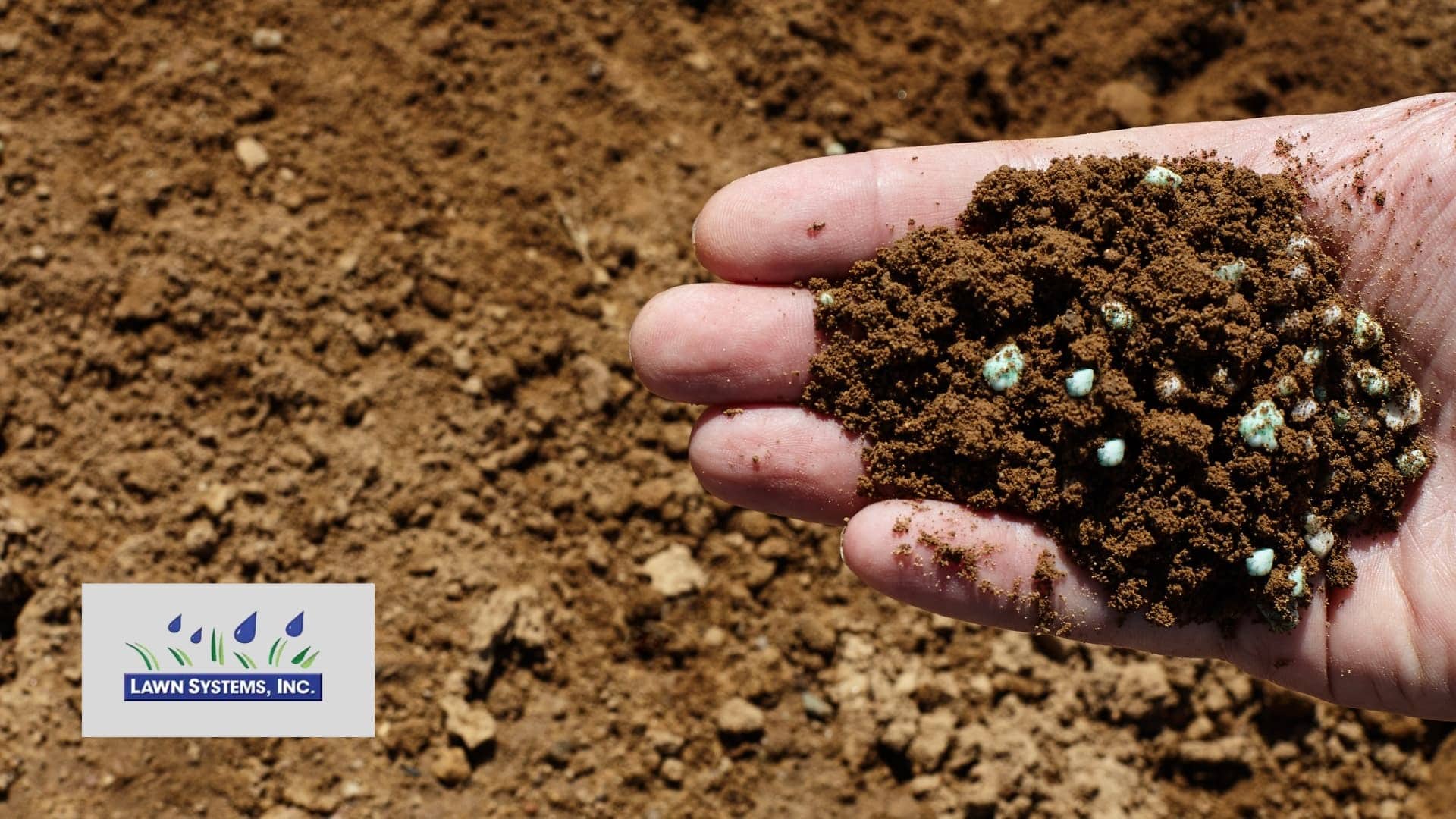
Fertilizers help you grow a lush, green lawn that enhances curb appeal and boosts your property’s value. But keeping that lawn healthy takes time and knowledge — especially when life gets busy. That’s why many homeowners choose a professional fertilization program for convenience, expertise, and consistent results.

The Importance of Lawn Fertilization

Fertilizing is essential for long-term lawn health. Fertilizers deliver the nutrients grass needs to grow strong, thick, and vibrant. A well-fed lawn stands up better to heat, drought, and pests, reducing the need for extra watering or treatments. The result is healthier turf that looks great year-round.

The Challenges of DIY Fertilizers

Fertilizing your own lawn may sound simple, but it’s easy to get wrong. You need the right product, the right timing, and even coverage. Too much fertilizer can burn grass or harm the environment; too little can leave your lawn patchy and weak. Lawn Systems, Inc. has years of experience working with all soil types and knows exactly what your lawn needs — safely and effectively.

The Convenience of a Professional Lawn Fertilization Program

Hiring professionals saves time and ensures great results. Here’s why homeowners across the St. Louis area trust Lawn Systems, Inc. for their fertilization needs:

  • Customized Solutions: We evaluate your soil type, grass variety, climate, and pest history to create a personalized fertilization plan that fits your lawn perfectly.
  • Expertise and Experience: Our team stays current with the latest products, timing, and techniques to ensure your lawn receives the right care at every stage of growth.
  • Time-Saving Convenience: Forget buying, storing, and spreading fertilizer yourself — we handle everything so you can spend your time elsewhere.
  • Reliable Scheduling: We plan treatments around the ideal times of year for your grass type and local conditions, ensuring steady, healthy growth.
  • Professional Equipment: Our specialized tools and materials deliver even coverage and precise nutrient delivery for best results.
  • Proactive Lawn Analysis: We monitor your lawn’s health throughout the season and make adjustments before small issues become major problems.

The Benefits of a Professional Fertilization Program

Beyond saving you time and effort, a professional program gives your lawn lasting benefits:

  • Thicker, Greener Growth: A properly fertilized lawn develops deep color, dense coverage, and a uniform look that stands out in your neighborhood.
  • Stronger, Healthier Turf: Consistent nutrition helps your grass resist disease, pests, and stress from heat or foot traffic.
  • Higher Property Value: A beautiful lawn improves curb appeal and can increase your home’s resale value.
  • Lower Maintenance Needs: Healthier grass means less mowing, watering, and pest control throughout the year.
  • Environmental Benefits: Balanced, professional fertilization supports a healthy soil ecosystem and reduces reliance on harsh chemicals.

A professional fertilization program is a smart, eco-friendly way to maintain a thriving lawn. By partnering with Lawn Systems, Inc., you’ll enjoy a greener, stronger lawn — without the hassle of DIY maintenance. Our custom solutions and expert care make it easy to protect your investment and enjoy your outdoor space year-round.

At Lawn Systems, Inc., we offer complete fertilization services tailored to your property’s needs. Call us today to schedule your fertilization visits and keep your lawn healthy, vibrant, and beautiful!


Remember to explore our full range of professional lawn and landscape services designed to make your property shine — and stay low-maintenance. We offer Sprinkler Systems, Landscaping, Lighting, Water Drainage Solutions, Outdoor Living Concepts, Water Features, and Fertilization. See our gallery for inspiration and learn more on our blog.

We proudly serve the St. Louis community and nearby areas including Ballwin, Clayton, Fenton, Chesterfield, Ladue, Kirkwood, St. Charles, Lake St. Louis, and Webster Groves. Contact us today for professional lawn care you can trust!

Fertilizer and Fertilization FAQs

How often should my lawn we apply fertilizers?

Most St. Louis lawns do best with several light applications across the growing season. We tailor the schedule to your grass type and soil.

Is professional fertilization safer than DIY?

Yes. Proper product choice and precise application reduce risks of burn and runoff while giving grass the nutrients it needs.

When will I see results?

You’ll typically notice richer color within a few weeks after applying fertilizers, with density and uniformity improving over subsequent treatments.

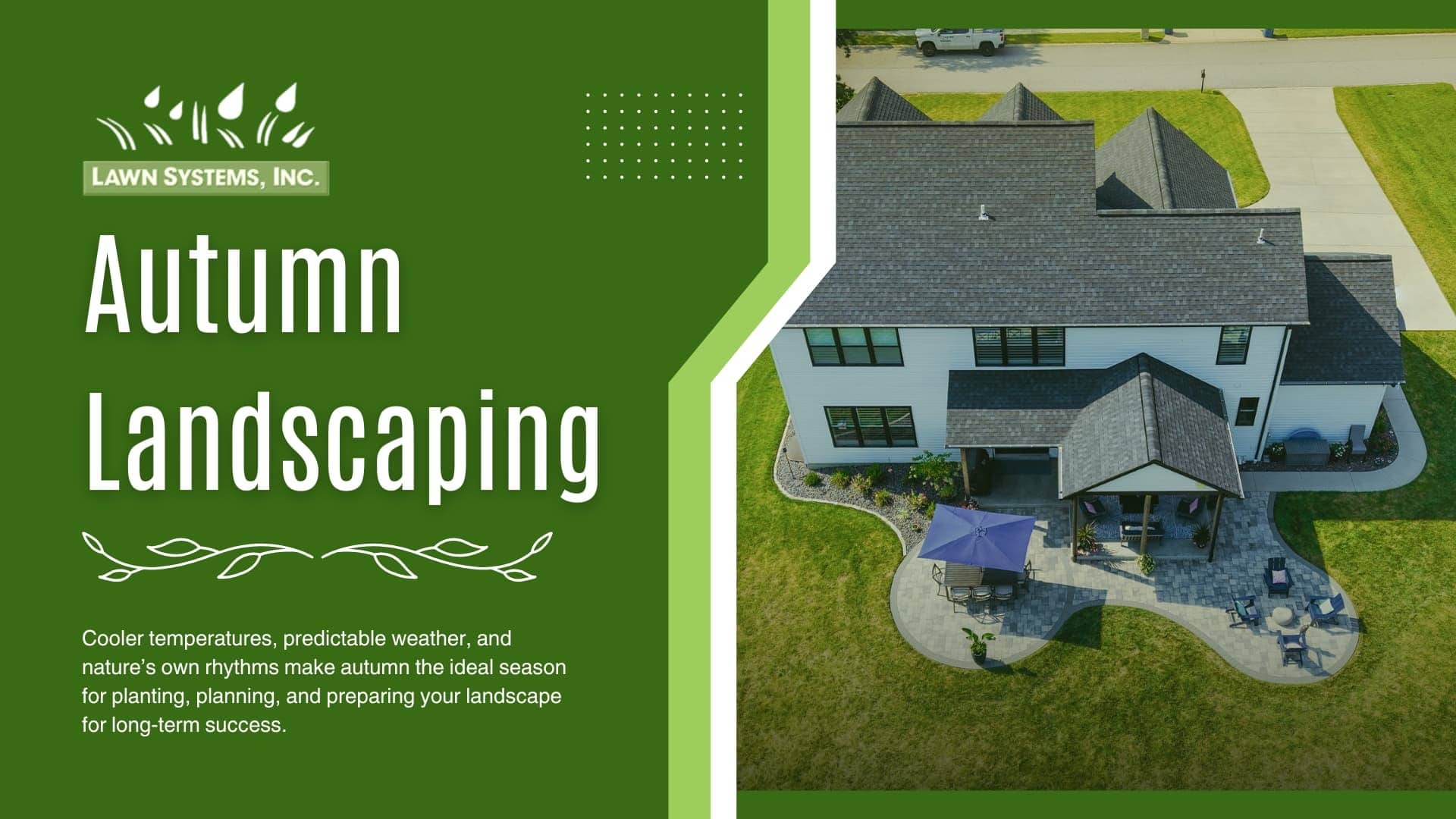
Lawn Systems Inc - Aerial shot of new home with new landscaping and patio furniture

Why Fall Is the Best Time to Landscape: A Seasonal Strategy for a Thriving Yard

When most people think of landscaping, spring tends to steal the spotlight. But savvy gardeners and homeowners know that fall is actually one of the most strategic times to invest in your outdoor space. Cooler temperatures, predictable weather, and nature’s own rhythms make autumn the ideal season for planting, planning, and preparing your landscape for long-term success.


1. Perfect Conditions for Planting

Fall offers a sweet spot for planting trees, shrubs, and perennials:

  • Cooler air temperatures reduce stress on new plants.
  • Warm soil encourages strong root development before winter.
  • Increased rainfall helps establish plants without constant watering.

This combination allows plants to settle in and focus on root growth, giving them a head start when spring arrives.


2. Less Competition from Weeds and Pests

With summer’s heat fading, so do many of the weeds and pests that plague gardens:

  • Fewer weeds mean less competition for nutrients and water.
  • Many insects and fungal diseases slow down or disappear entirely.
  • You can focus on nurturing your plants without constant battles.

3. Easier Lawn Renovation

Fall is prime time for lawn care:

  • Overseeding in autumn helps fill in bare patches and thicken turf.
  • Cooler temps and morning dew create ideal germination conditions.
  • Fertilizing in fall strengthens roots and prepares grass for winter dormancy.

Come spring, your lawn will green up faster and look healthier.


4. Planning Ahead Pays Off

Landscaping in fall sets the stage for spring:

  • You can install hardscaping (patios, walkways, retaining walls) without summer’s heat.
  • It’s easier to visualize changes as leaves fall and reveal the structure of your yard.
  • Contractors and garden centers are often less busy, making scheduling and sourcing easier.

5. Seasonal Color and Curb Appeal

Fall landscaping isn’t just practical—it’s beautiful:

  • Planting mums, pansies, ornamental kale, and asters adds vibrant color.
  • Trees like maples and oaks offer stunning foliage displays.
  • Seasonal décor like pumpkins, hay bales, and lanterns enhance your home’s charm.

Final Thoughts

Landscaping in the fall isn’t just a smart move—it’s a strategic investment in your property’s health and beauty. Whether you’re planting, renovating, or planning, autumn gives you the tools to create a thriving landscape that will reward you for seasons to come.

If you’d like help designing a fall landscape plan or choosing the best plants for your region, Lawn Systems, Inc. has all the tools you need to make this the best autumn landscaping season ever!

At Lawn Systems, Inc., we can incorporate landscaping features and many other options that meet your design aesthetic and the scale of your lawn, call us today!

Remember to look to our professional line of services to keep your home and business lawn and landscaping looking great and with our help – maintenance free! Our services include: Sprinkler Systems, Landscaping, Lighting, Water Drainage Solutions, Outdoor Living Concepts, Water Features, Fertilization – Take a look at our gallery and read more about lawn services on our blog!

We serve the St. Louis community and the surrounding cities: Ballwin, Clayton, Fenton, Chesterfield, Ladue, Kirkwood, St. Charles, Lake St. Louis, Webster Groves and our surrounding area, call us today!
Autumn Landscaping - aerial view of new home with new landscaping with patio furniture

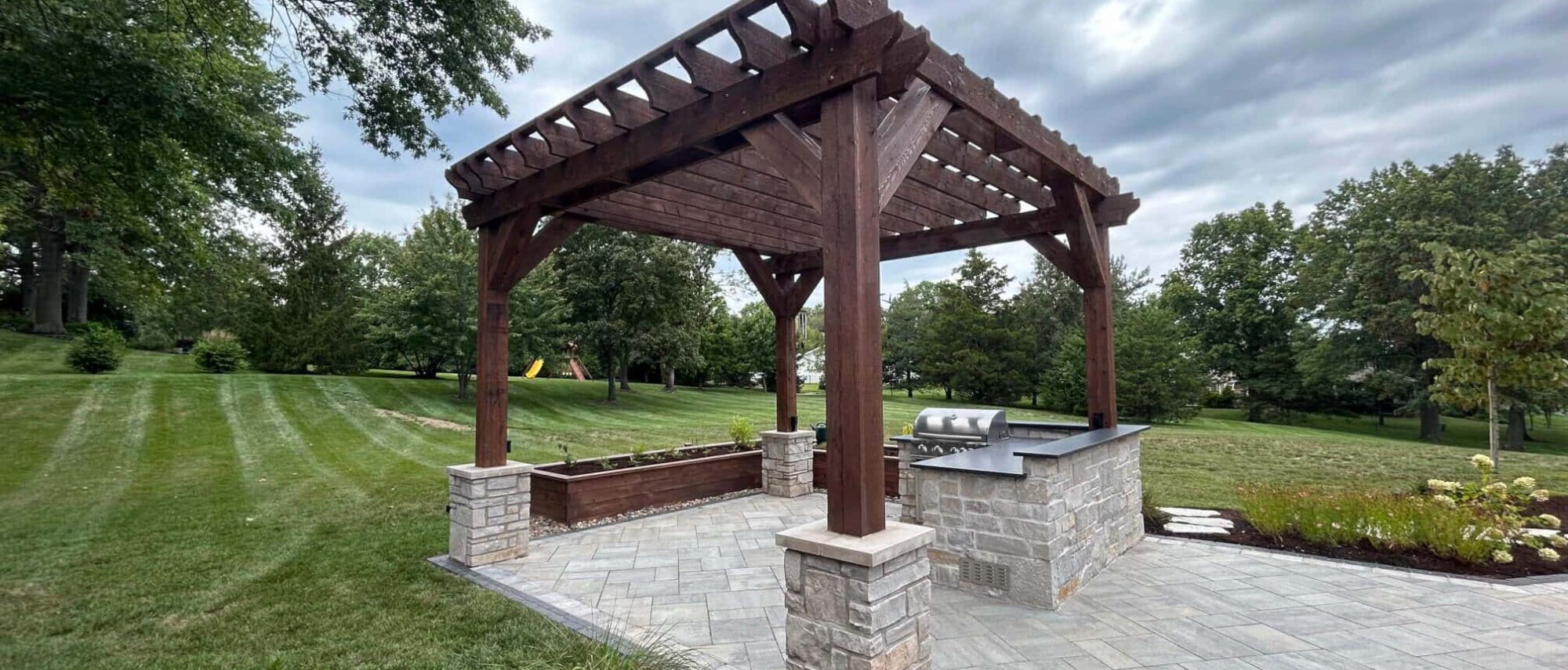
Outdoor Patio

Landscaping Can Elevate Your Outdoor Spaces

As the lines between indoor and outdoor living continue to blur, homeowners are increasingly looking for ways to create functional, stylish, and inviting outdoor spaces that extend their living areas and enhance their lifestyles and landscaping. Whether you’re a seasoned outdoor enthusiast or just starting to explore the possibilities of outdoor living, staying on top of the latest trends can help you create a space that’s both beautiful and functional. In this article, we’ll delve into the latest design styles, materials, and features that are currently popular in outdoor living, providing inspiration and guidance for those looking to update their outdoor spaces.

Design Styles:

1. Modern Farmhouse: Characterized by clean lines, rustic accents, and a blend of modern and traditional elements, modern farmhouse design is a popular choice for outdoor living spaces. Think exposed beams, metal accents, and natural materials like wood and stone.
2. Coastal Chic: Inspired by the laid-back, beachy vibe of coastal living, coastal chic design features light, airy colors, natural textures, and nautical accents like ropes and anchors.
3. Industrial Chic: Exposed brick, metal accents, and reclaimed wood are hallmarks of industrial chic design, which adds an edgy, urban feel to outdoor spaces.

Materials:

1. Sustainable Materials: Eco-friendly materials like recycled plastic, bamboo, and sustainably sourced wood are gaining popularity as homeowners prioritize environmental responsibility.
2. Durable Composites: Composite materials like polypropylene and polyethylene are durable, low-maintenance, and resistant to weathering, making them ideal for outdoor furniture and decor.
3. Natural Stone: Natural stone like bluestone, flagstone, and fieldstone add warmth and texture to outdoor spaces, and can be used for patios, walkways, and walls.

Features:

1. Outdoor Kitchens: Outdoor kitchens are no longer just a luxury, but a necessity for many homeowners. Look for features like built-in grills, cooktops, and refrigerators, as well as ample counter space and storage.
2. Fire Pits and Fireplaces: Fire pits and fireplaces are a popular feature in outdoor living spaces, providing a cozy gathering spot for family and friends.
3. Water Features: From small fountains to large ponds, water features add visual interest and create a sense of tranquility in outdoor spaces.

Lighting:

1. String Lights: String lights are a popular choice for outdoor spaces, adding a warm, whimsical ambiance to patios, decks, and gardens.
2. LED Lighting: Energy-efficient LED lighting is a practical choice for outdoor spaces, providing bright, long-lasting light with minimal maintenance.
3. Solar-Powered Lighting: Solar-powered lighting is an eco-friendly option that harnesses the power of the sun to illuminate outdoor spaces.

Technology Integration:

1. Outdoor Speakers: Outdoor speakers are a must-have for entertaining, providing high-quality sound that can be controlled remotely.
2. Smart Home Integration: Smart home technology is increasingly being integrated into outdoor spaces, allowing homeowners to control lighting, temperature, and security systems remotely.
3. Wi-Fi and Charging Stations: Wi-Fi and charging stations are a practical feature in outdoor spaces, providing a convenient spot to charge devices and stay connected.

Creating an outdoor living space that’s both beautiful and functional requires staying on top of the latest trends and technologies. By incorporating popular design styles, materials, and features into your outdoor space, you can create a haven that extends your living area and enhances your lifestyle. Whether you’re looking to update your patio, deck, or garden, the latest outdoor living trends offer endless inspiration and possibilities.

Remember to look to our professional line of services to keep your home and business lawn and landscaping looking great and with our help – maintenance free! Our services include: Sprinkler Systems, Landscaping, Lighting, Water Drainage Solutions, Outdoor Living Concepts, Water Features, Fertilization – Take a look at our gallery and read more about lawn services on our blog!

We serve the St. Louis community and the surrounding cities: Ballwin, Clayton, Fenton, Chesterfield, Ladue, Kirkwood, St. Charles, Lake St. Louis, Webster Groves and our surrounding area, call us today!
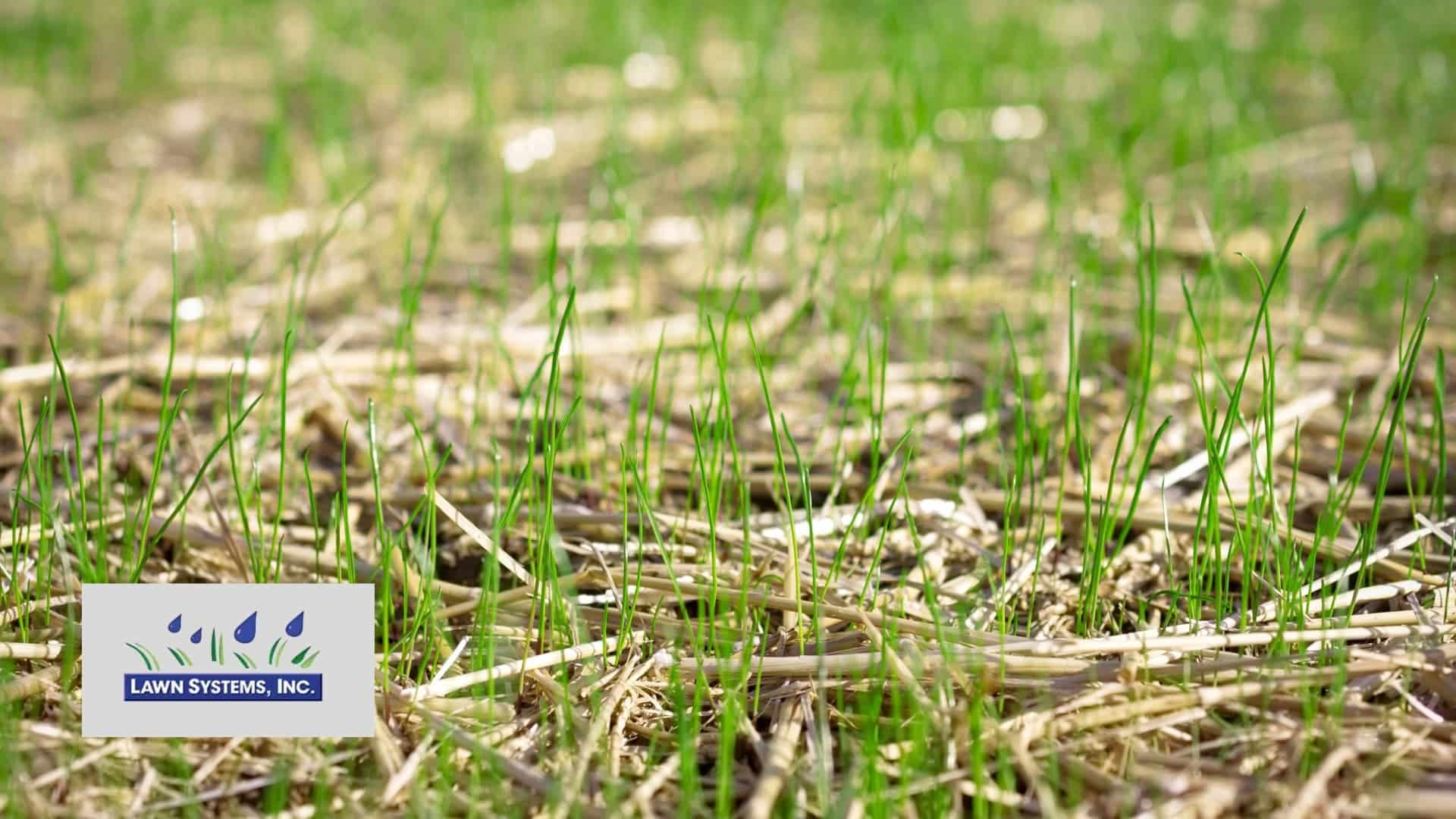
Newly seeded lawn covered in straw

Tips for Caring for a Newly-seeded Lawn

Congratulations on taking the first step towards creating a lush and beautiful lawn! Caring for a newly-seeded lawn can be a daunting task, but with the right care and attention, you can ensure a healthy and thriving lawn that will be the envy of the neighborhood. In this article, we will provide you with expert tips and advice on how to care for your newly seeded lawn, from preparation to maintenance.

Preparation is Key

Before we dive into the care and maintenance of your newly seeded lawn, it’s essential to prepare the soil properly. Here are a few things to keep in mind:

*Test your soil pH: Most grass types prefer a slightly acidic to neutral soil pH, between 6.0 and 7.0. You can purchase a soil testing kit at your local nursery or gardening store.
*Remove debris and weeds: Clear the area of any debris, rocks, and weeds. You can use a rake or a weeding tool to remove any unwanted vegetation.
*Level the ground: Use a rake or a lawn leveler to ensure the ground is even and smooth.

Watering: The Key to Success

Watering is one of the most critical aspects of caring for a newly seeded lawn. Here are some tips to keep in mind:

*Water deeply but infrequently: Water your lawn deeply once or twice a week, depending on weather conditions. This will encourage deep root growth and make your lawn more drought-resistant.
*Avoid overwatering: Overwatering can lead to shallow root growth, making your lawn more susceptible to disease and pests.
*Use a sprinkler or soaker hose: These types of irrigation systems deliver water directly to the soil, reducing evaporation and runoff.

Mowing and Edging

Mowing and edging are essential for maintaining a healthy and visually appealing lawn. Here are some tips to keep in mind:

*Wait until the lawn is 3-4 inches tall: Before mowing, wait until your lawn has reached a height of 3-4 inches. This will ensure that the new seeds have a chance to establish themselves.
*Use a sharp mower blade: A dull mower blade can tear the new seeds, causing them to die. Use a sharp blade to cut the grass at a height of 2.5-3 inches.
*Edge carefully: Use a string trimmer or an edger to create clean lines around trees, gardens, and other obstacles.

Fertilization and Pest Control

Fertilization and pest control are essential for maintaining a healthy and thriving lawn. Here are some tips to keep in mind:

*Wait until the lawn is 6-8 weeks old: Before fertilizing, wait until your lawn has reached an age of 6-8 weeks. This will ensure that the new seeds have a chance to establish themselves.
*Use a balanced fertilizer: Use a balanced fertilizer that contains equal parts nitrogen, phosphorus, and potassium (NPK). This will promote healthy growth and development.
*Monitor for pests: Keep an eye out for pests like white grubs, chinch bugs, and billbugs. Use organic or chemical controls as needed to prevent infestations.

Additional Tips and Tricks

Here are some additional tips and tricks to keep in mind when caring for your newly seeded lawn:

*Use a lawn aerator: Aerating your lawn once a year can help improve drainage, reduce soil compaction, and promote healthy growth.
*Overseed as needed: If you notice any bare spots or thin areas, overseed as needed to maintain a healthy and even lawn.
*Maintain a regular mowing schedule: Regular mowing will help maintain a healthy and visually appealing lawn.

Caring for a newly seeded lawn requires attention to detail, patience, and persistence. By following the tips and advice outlined in this article, you can ensure a healthy and thriving lawn that will be the envy of the neighborhood. Remember to water deeply but infrequently, mow and edge carefully, and fertilize and monitor for pests as needed. With the right care and attention, your newly seeded lawn will be the crowning jewel of your outdoor space.

Don’t let your newly seeded lawn fall victim to neglect and poor care. Take the first step towards creating a lush and beautiful lawn today. Follow these tips and advice, and you’ll be on your way to a healthy and thriving lawn that will be the envy of the neighborhood. So why wait? Contact Lawn Systems, Inc. and we can install a new seeded lawn for you to enjoy for years to come.

At Lawn Systems, Inc., we have a program in place to help will all your fertilization needs, call us today to set up your scheduled fertilization visits!

Remember to look to our professional line of services to keep your home and business lawn and landscaping looking great and with our help – maintenance free! Our services include: Sprinkler Systems, Landscaping, Lighting, Water Drainage Solutions, Outdoor Living Concepts, Water Features, Fertilization – Take a look at our gallery and read more about lawn services on our blog!

We serve the St. Louis community and the surrounding cities: Ballwin, Clayton, Fenton, Chesterfield, Ladue, Kirkwood, St. Charles, Lake St. Louis, Webster Groves and our surrounding area, call us today!

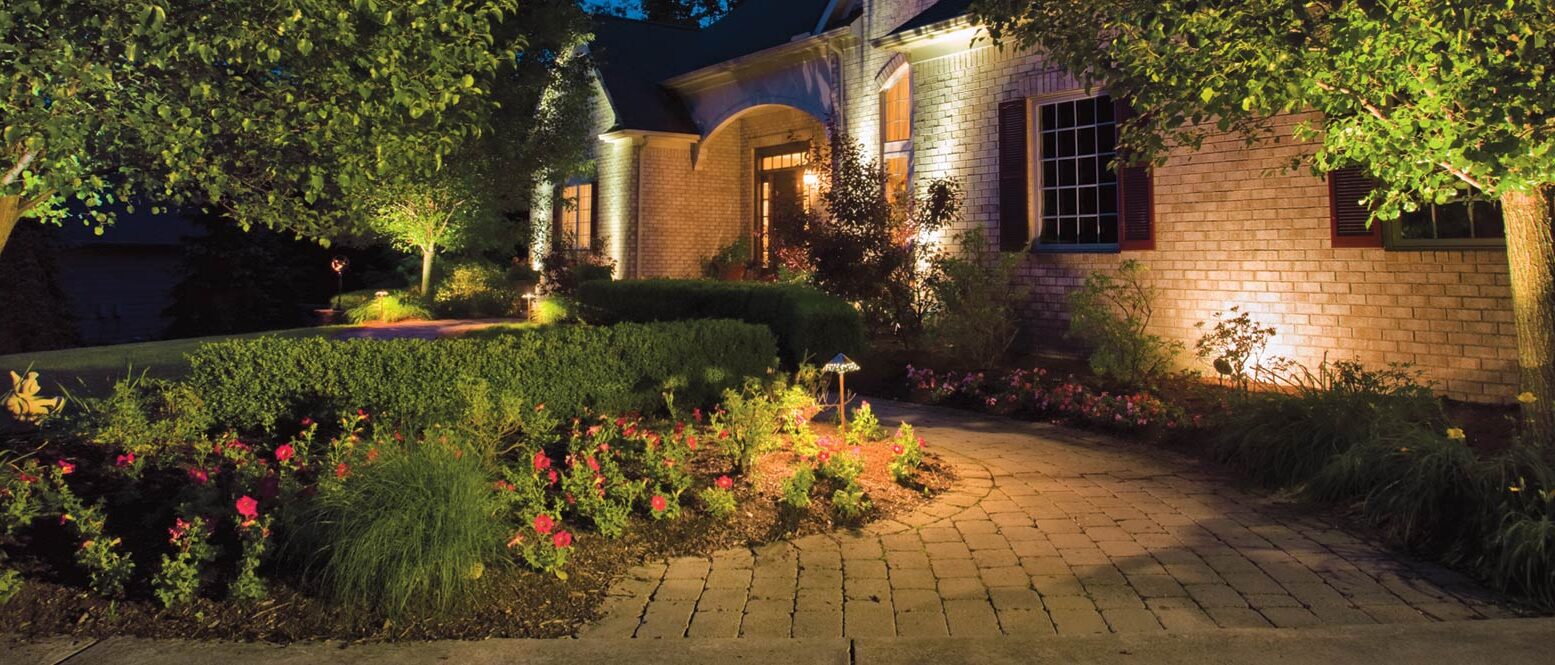
Adding Lighting Features to Your Landscaping

Landscape Lighting Design in St. Louis, MOLighting features can help lite the night on your property. When people think about landscape lighting design in St. Louis, MO, their initial thoughts may turn to all of the nighttime activities they will be able to enjoy on their property. While this is a fantastic feature of landscape lighting, there is another important benefit that concerns a subject that most people would rather not think about.
Whether we like it or not, the reality is that there are criminals out in the world who want to break into the houses of unsuspecting residents. These burglars typically pick their targets carefully, and when choosing between a home with landscape lighting and one without it, the choice is natural. Even houses with poorly lit landscapes can be vulnerable to these types of unwelcome visits.

One way to proactively keep your home safe from intruders is by working with a specialist who can help you with landscape lighting design in St. Louis, MO. By choosing an experienced landscaping company, such as Lawn Systems, you can make sure your individual lighting needs are met to your complete satisfaction. We take pride in offering the perfect solution for your outdoor space, so don’t hesitate to reach out to us to learn how our company can meet your lighting needs.

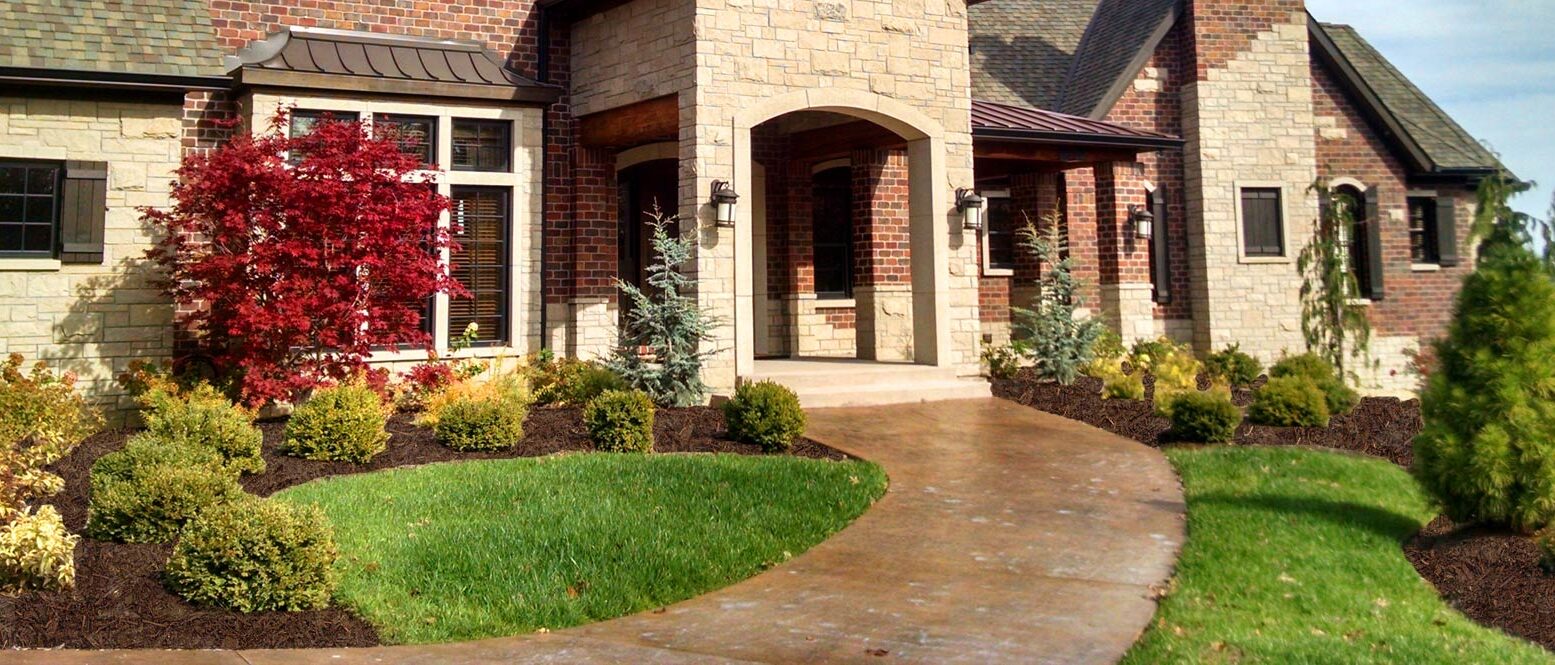
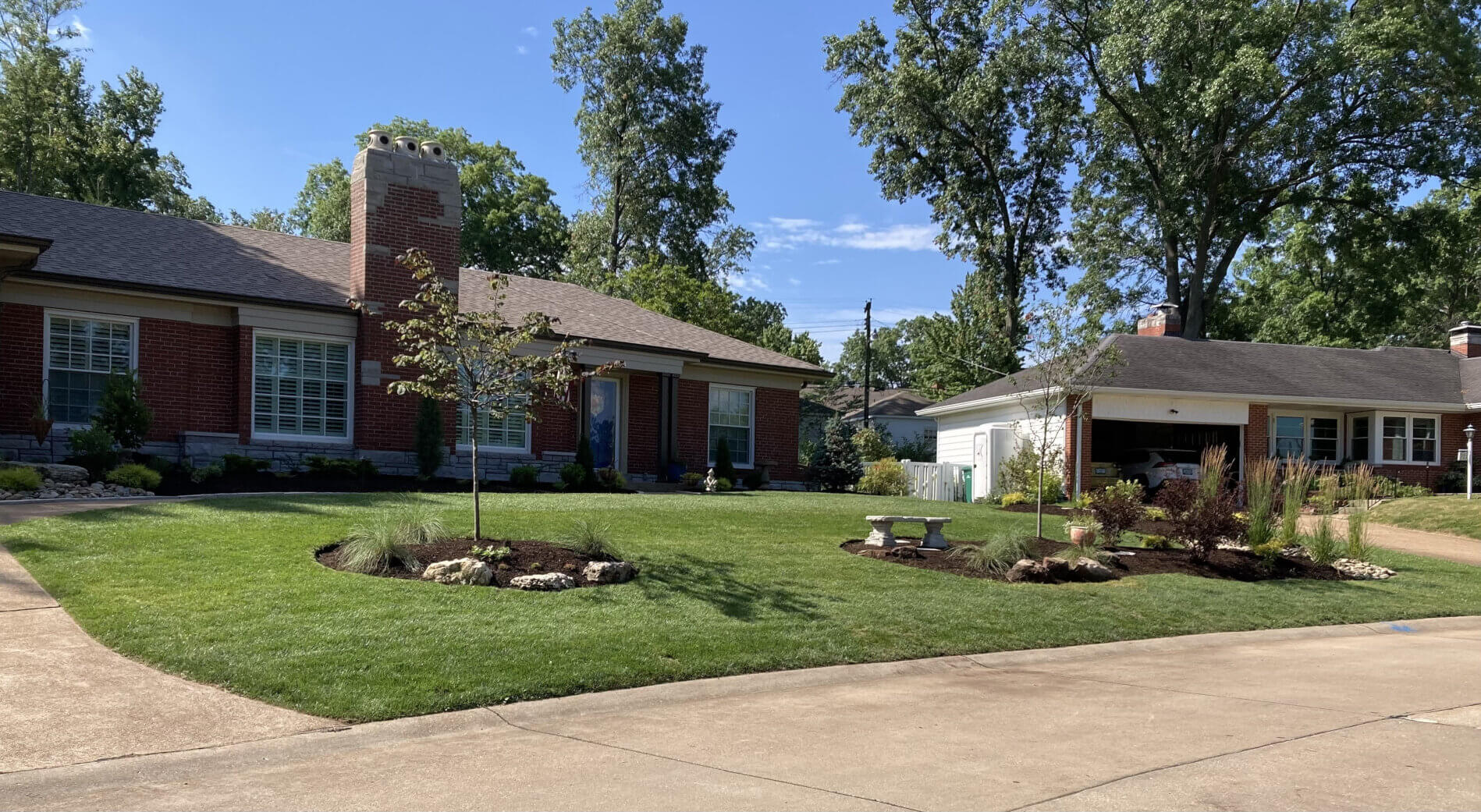
Brick home with modern landscaping in front yard

Modern Landscaping: Elevating Your Outdoor Space and Your Life

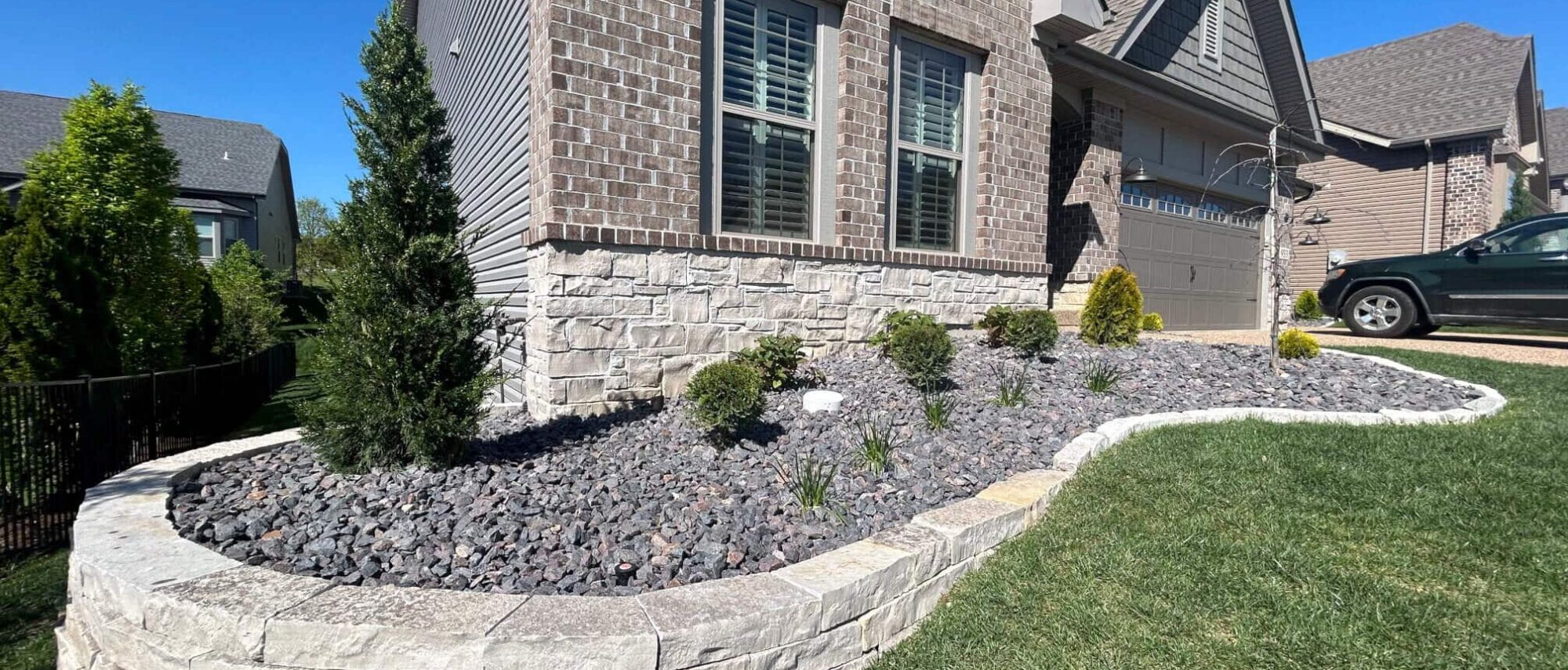
As we navigate the complexities of modern life, it’s easy to overlook the importance of our outdoor spaces. However, a well-designed and well-maintained landscape can have a profound impact on our well-being, property value, and even the environment. In this article, we’ll explore the numerous benefits of updated, modern landscaping and why it’s an investment worth considering.

Boosting Curb Appeal and Property Value

A modern landscape can instantly elevate the curb appeal of your property, making it more attractive to potential buyers if you ever decide to sell. According to the National Association of Realtors, landscaping can increase property value by up to 12%. This is because a well-manicured lawn, vibrant plants, and thoughtful hardscaping create a welcoming atmosphere that invites people to linger.

Moreover, a modern landscape can also increase the functionality of your outdoor space, making it an extension of your indoor living area. This can be especially appealing to potential buyers who value outdoor entertainment and relaxation.

Environmental Benefits

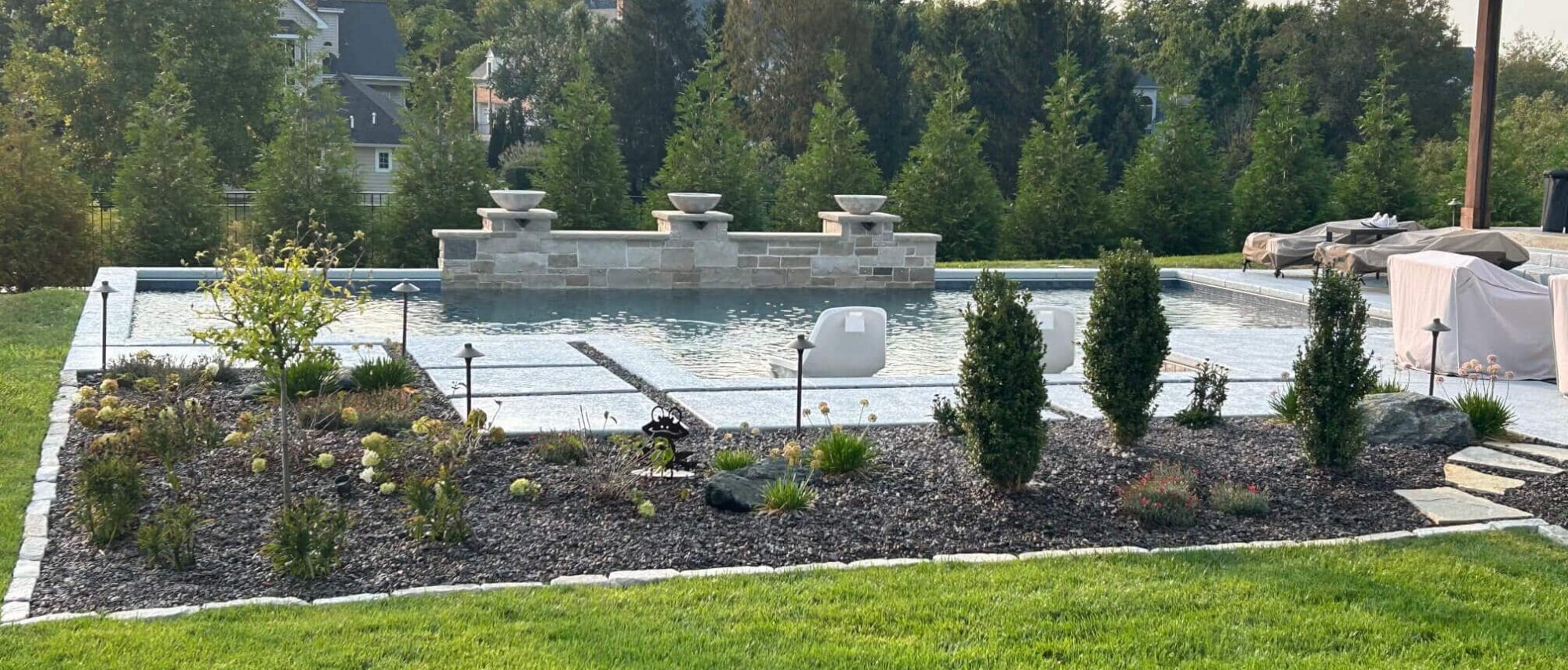
Modern landscaping is not only aesthetically pleasing, but it can also have a positive impact on the environment. By incorporating native plants, rain gardens, and permeable pavers, you can reduce your carbon footprint and support local ecosystems.

Native plants, for example, require less water and maintenance, reducing the need for chemical fertilizers and pesticides. Rain gardens, on the other hand, help to filter stormwater runoff, reducing the burden on local waterways. Permeable pavers, meanwhile, allow rainwater to percolate through the soil, reducing the risk of flooding and erosion.

Increasing Energy Efficiency

A modern landscape can also help to reduce energy consumption and lower your utility bills. By strategically planting trees and shrubs, you can create shade, reducing the need for air conditioning during the summer months. In the winter, these same plants can act as a windbreak, reducing heat loss and the need for heating.

Additionally, a modern landscape can incorporate energy-efficient features like solar-powered lighting and irrigation systems, further reducing your carbon footprint.

Improving Safety and Security

A well-designed landscape can also improve safety and security around your property. By incorporating features like motion-sensitive lighting, security cameras, and secure fencing, you can deter potential intruders and create a safer environment for your family and pets.

Moreover, a modern landscape can also reduce the risk of accidents and injuries. By installing handrails, non-slip surfaces, and adequate lighting, you can create a safe and accessible outdoor space for people of all ages and abilities.

Enhancing Community Engagement

A modern landscape can also have a positive impact on your community. By creating inviting outdoor spaces, you can encourage socialization and community engagement. This can be especially beneficial for neighborhoods with high levels of foot traffic or areas with limited green spaces.

Moreover, a modern landscape can also support local wildlife, providing a habitat for birds, bees, and other pollinators. This can help to promote biodiversity and support the local ecosystem.

At Lawn Systems, Inc., we have a program in place to help will all your fertilization needs, call us today to set up your scheduled fertilization visits!

Remember to look to our professional line of services to keep your home and business lawn and landscaping looking great and with our help – maintenance free! Our services include: Sprinkler Systems, Landscaping, Lighting, Water Drainage Solutions, Outdoor Living Concepts, Water Features, Fertilization – Take a look at our gallery and read more about lawn services on our blog!

We serve the St. Louis community and the surrounding cities: Ballwin, Clayton, Fenton, Chesterfield, Ladue, Kirkwood, St. Charles, Lake St. Louis, Webster Groves and our surrounding area, call us today!