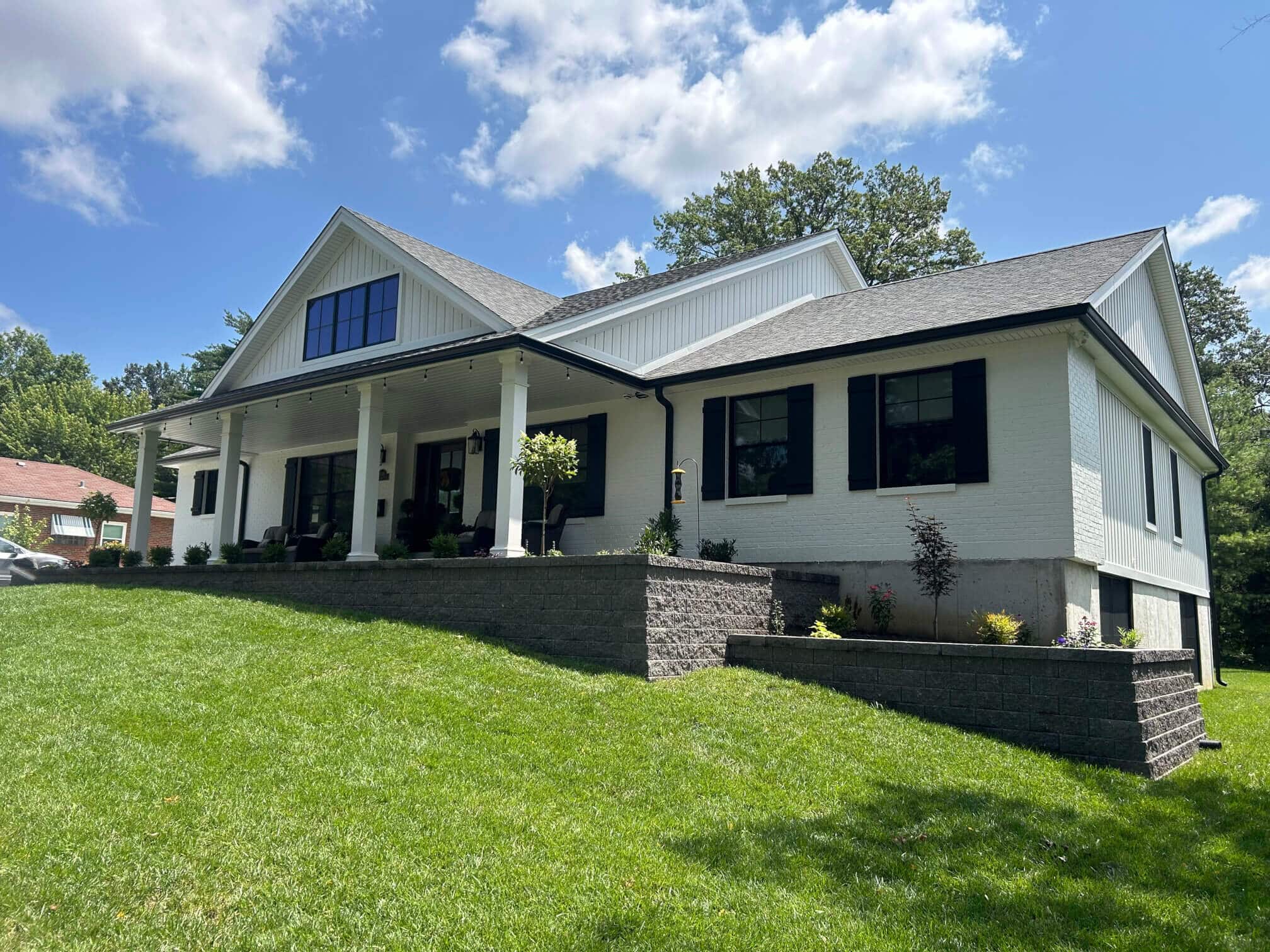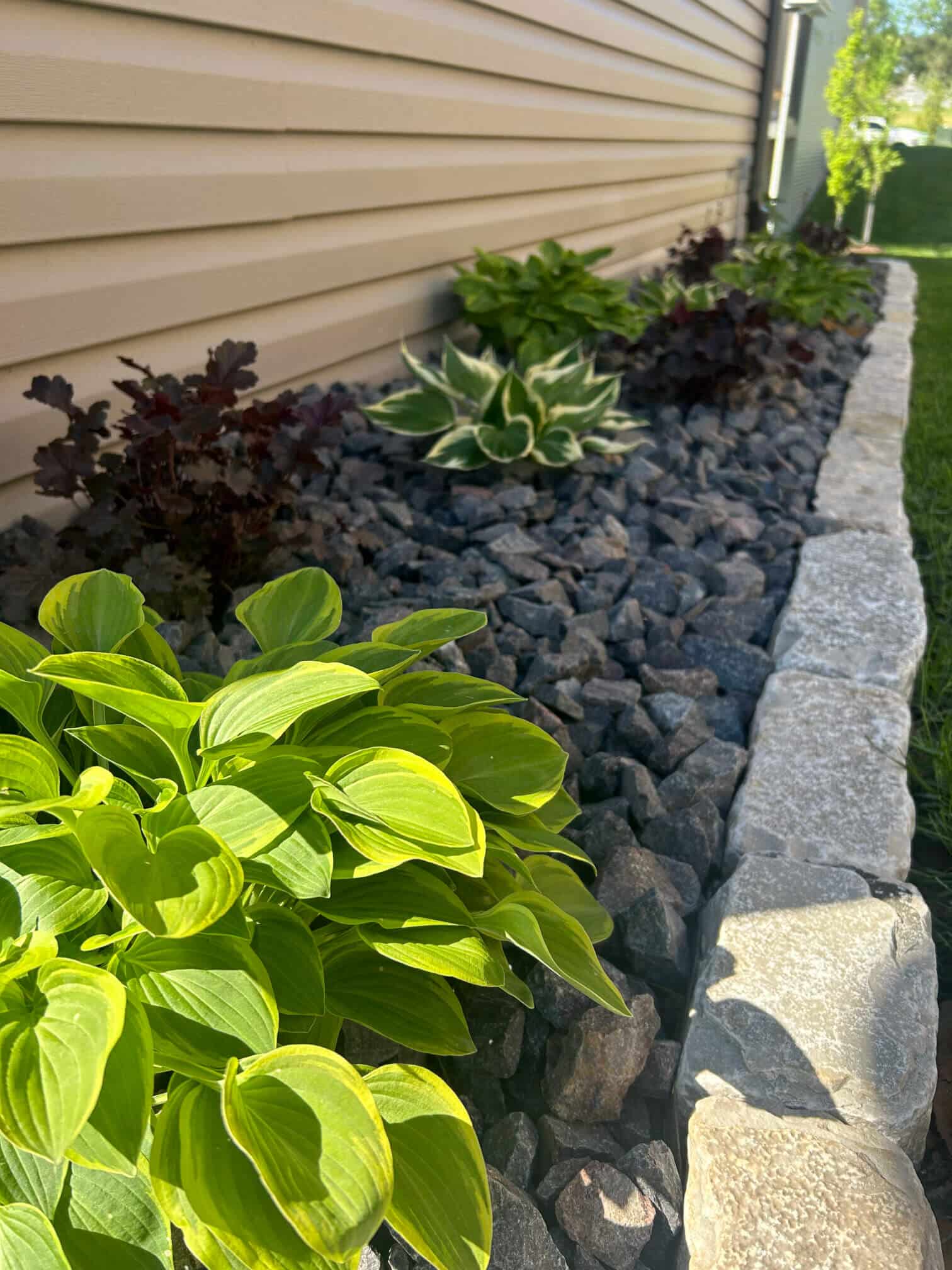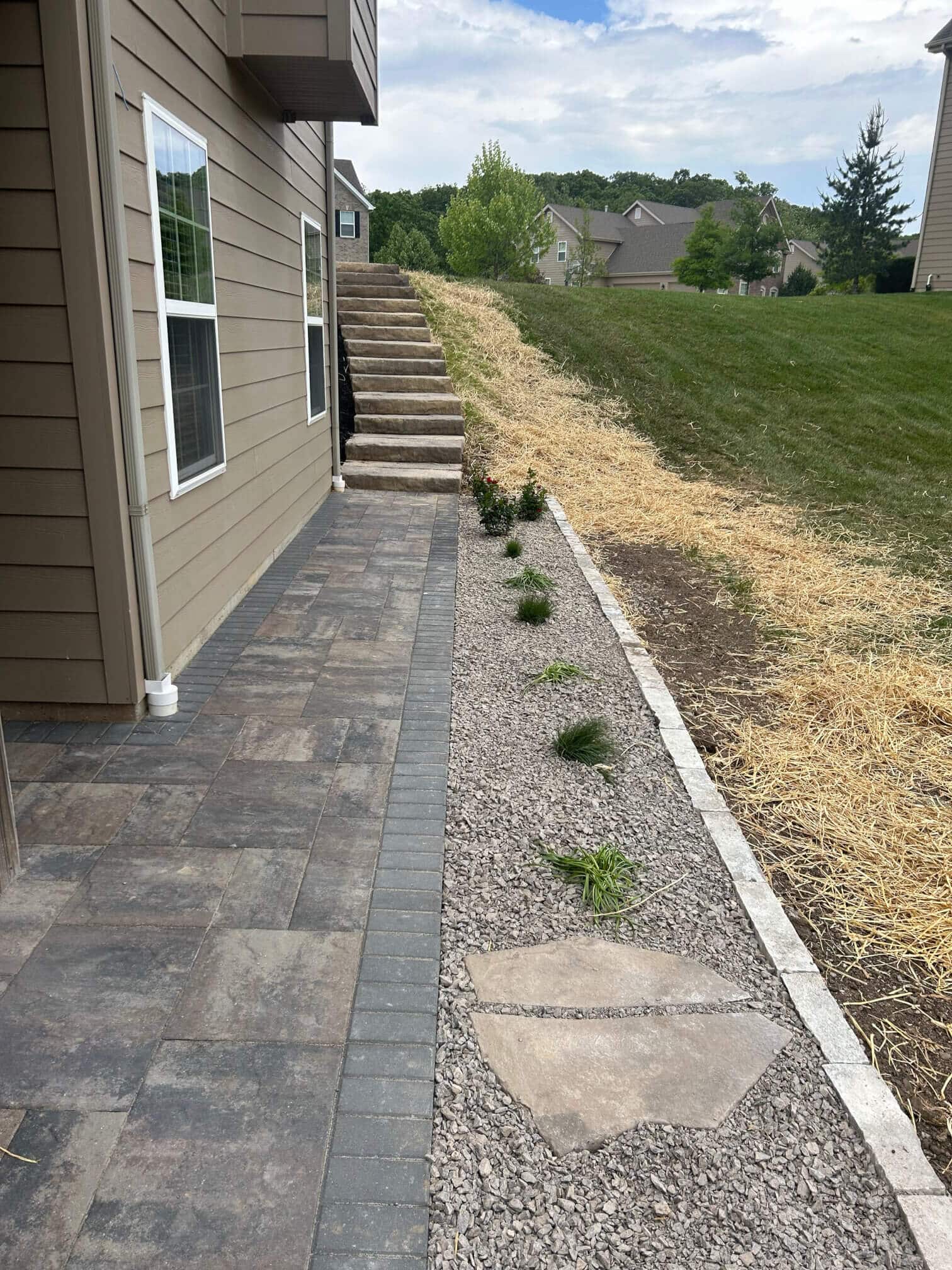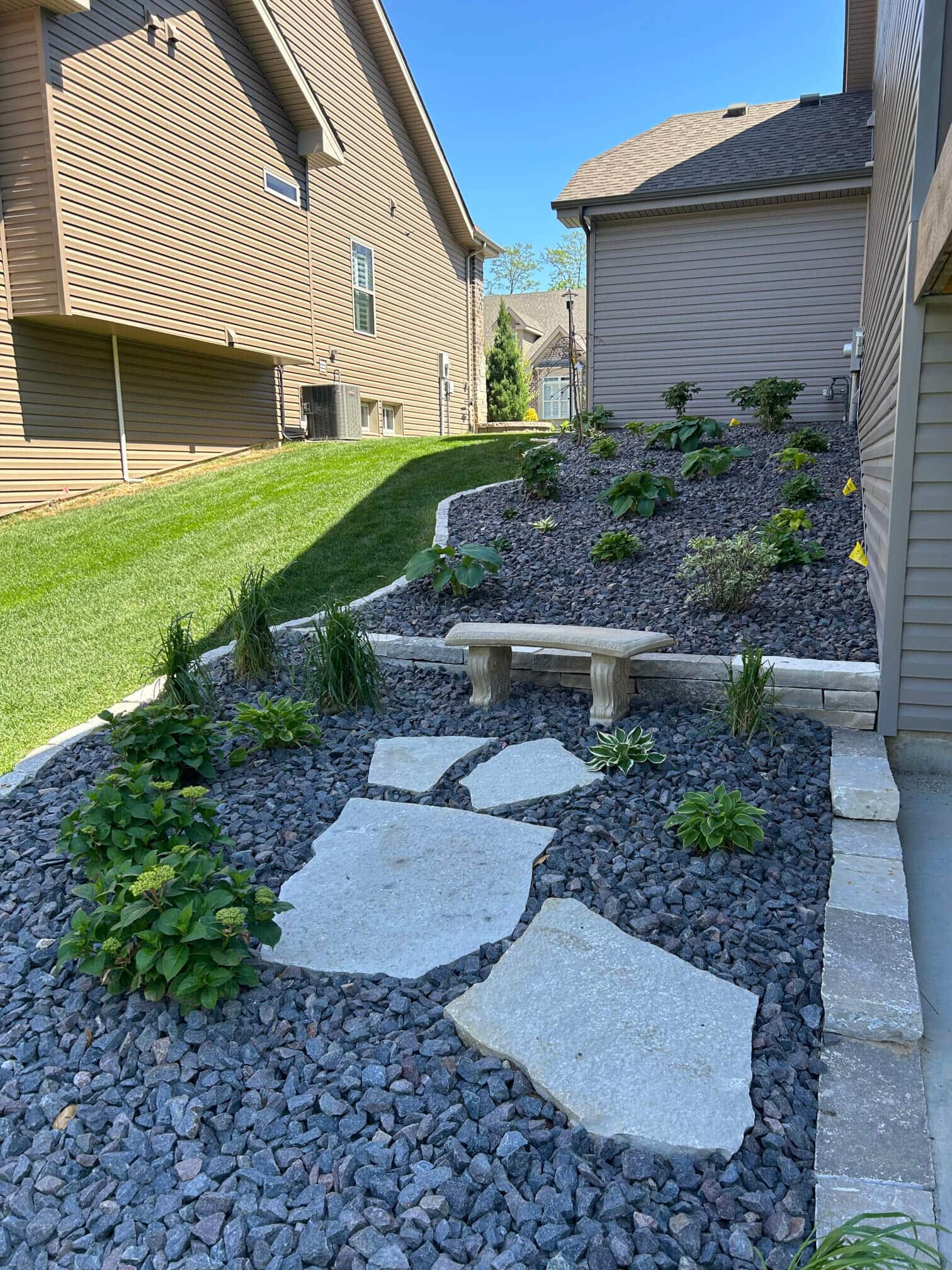
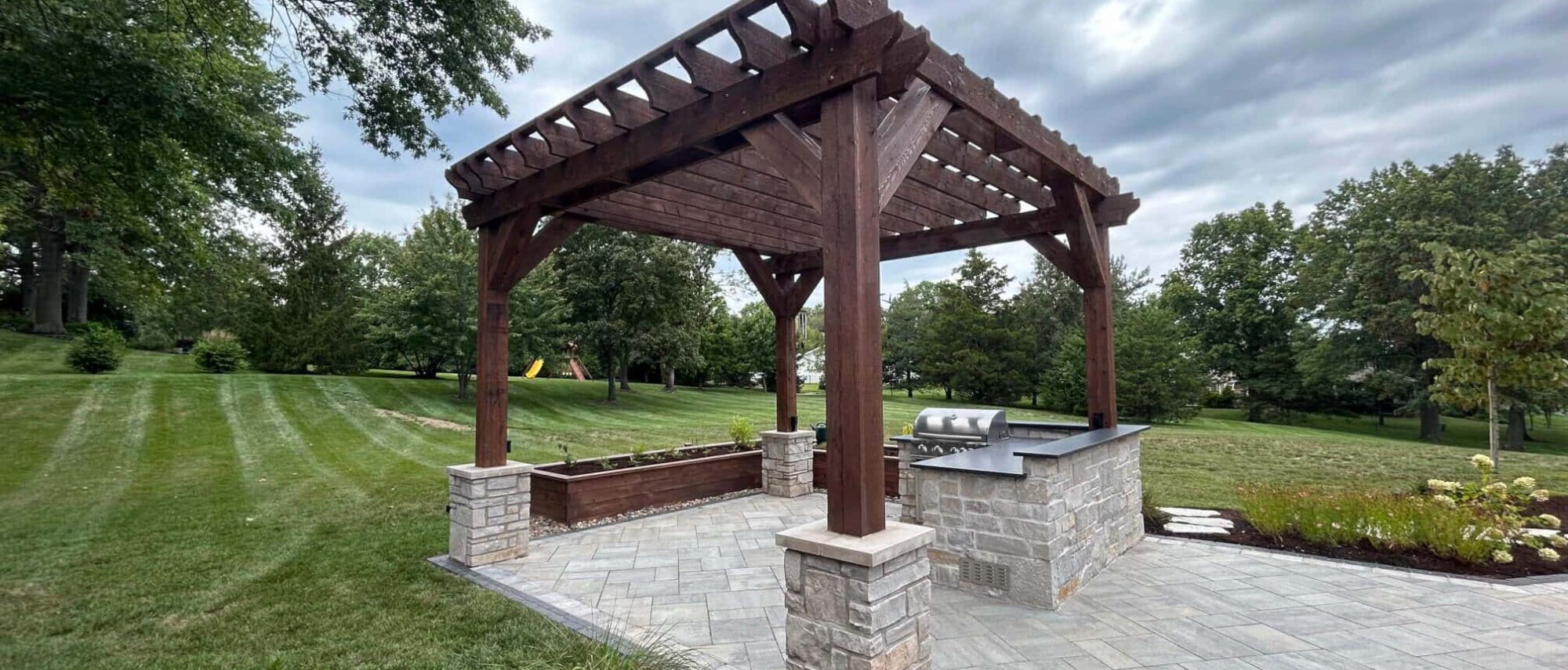
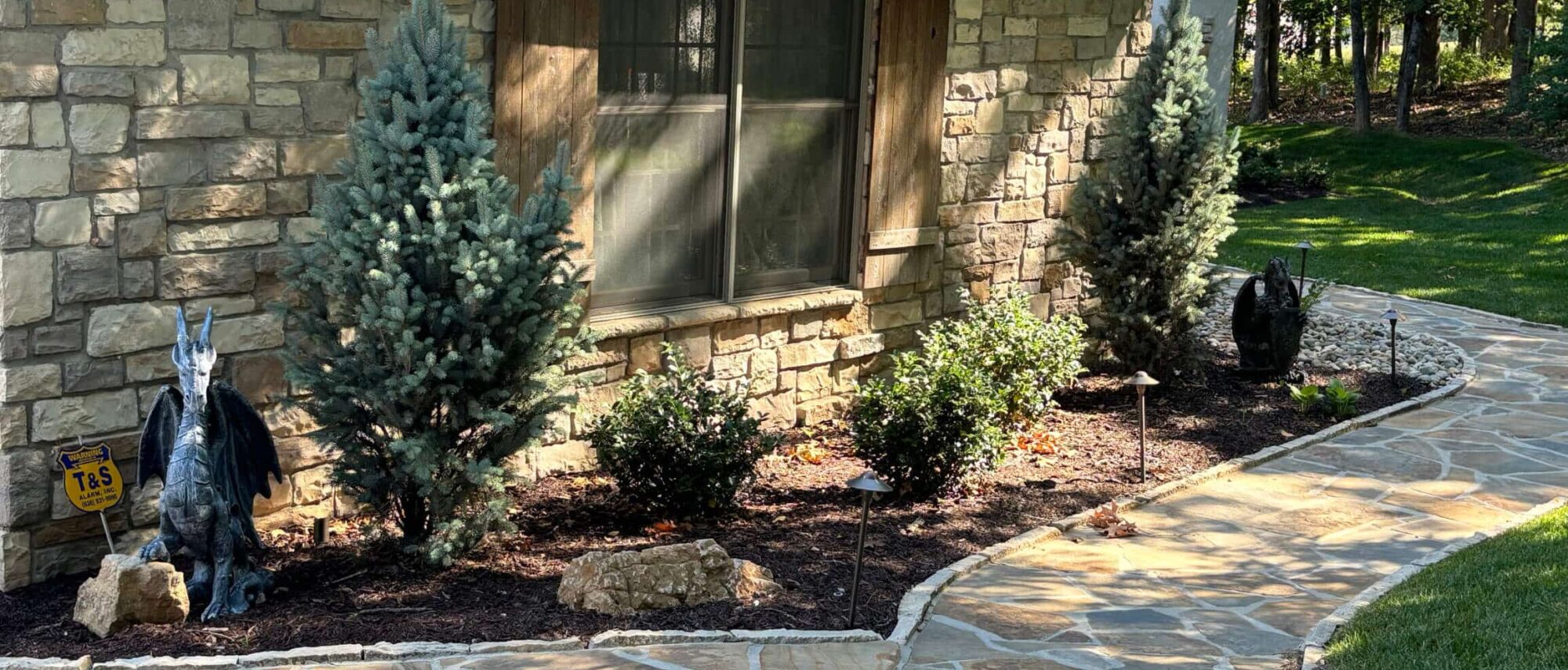
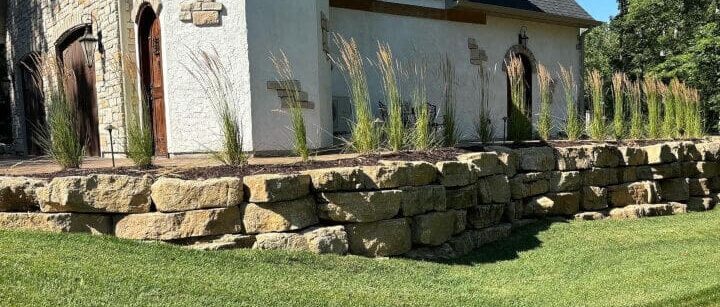
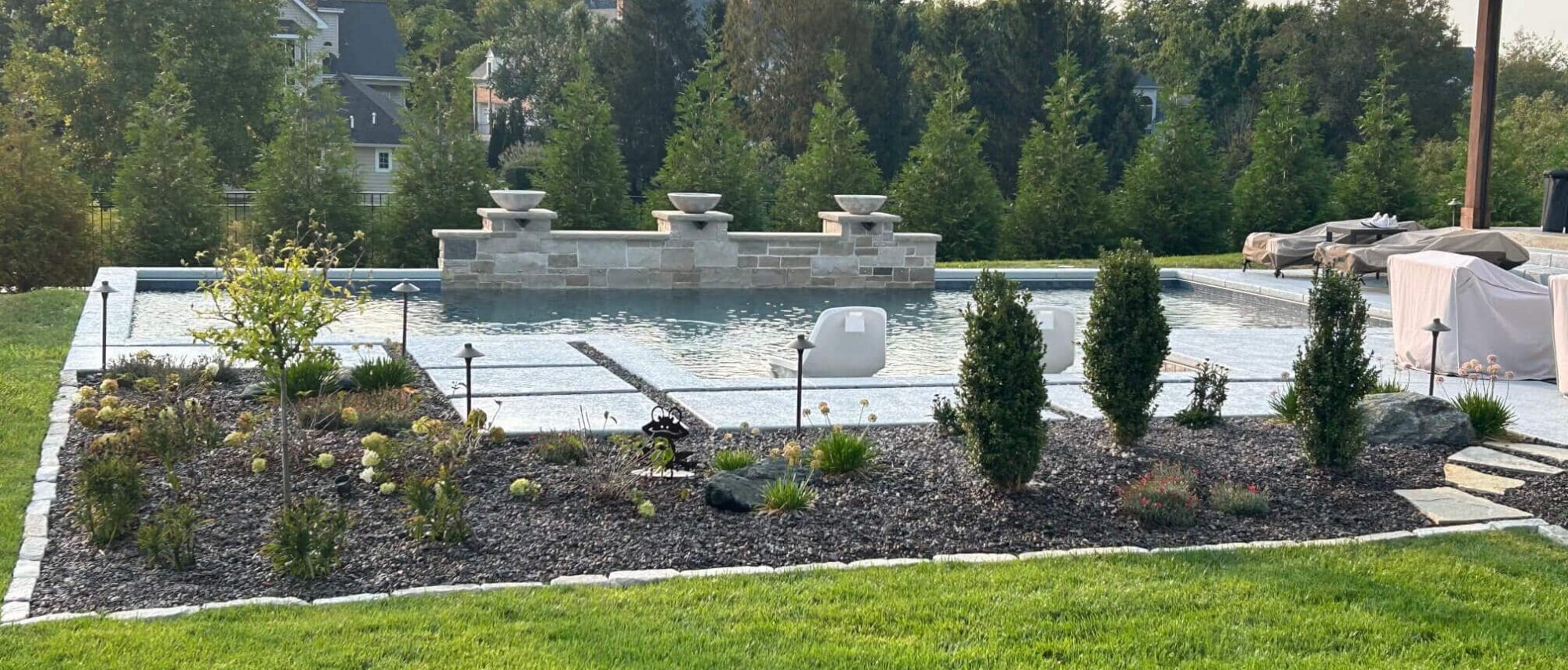
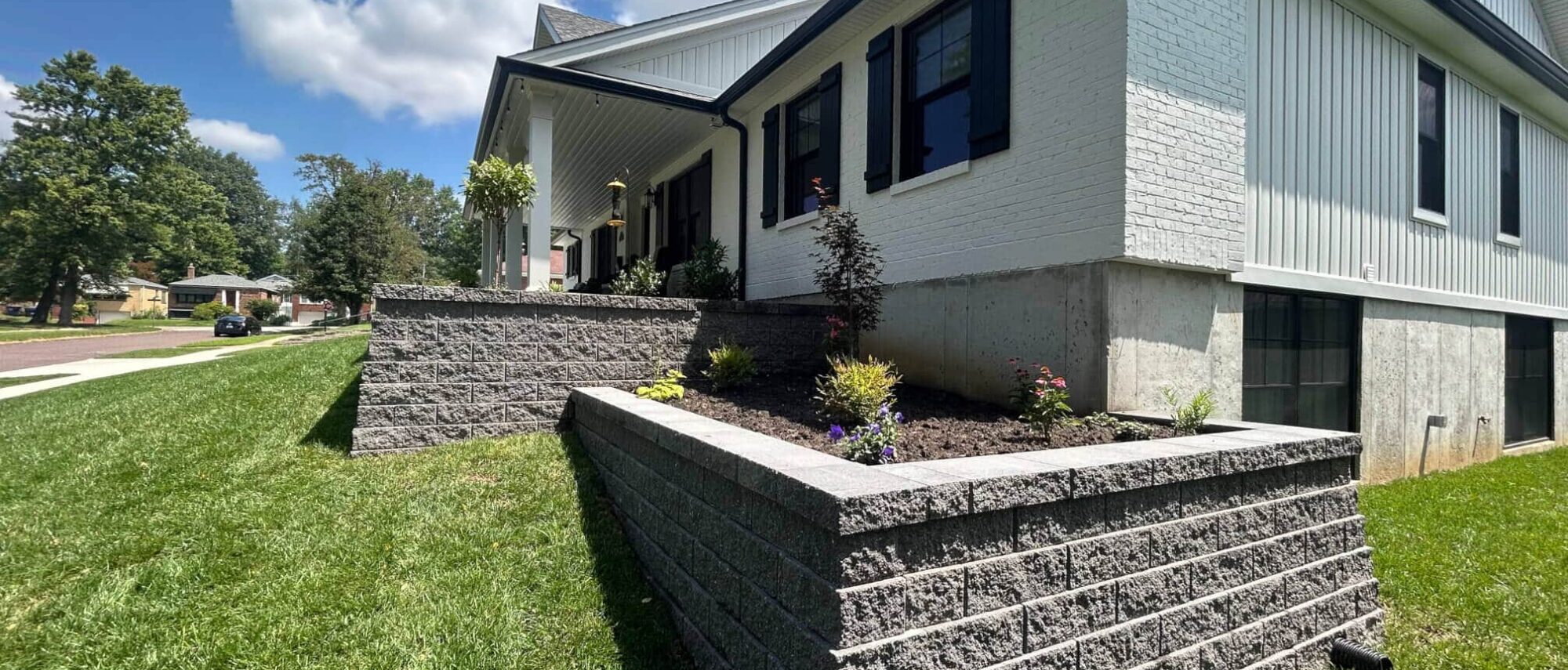
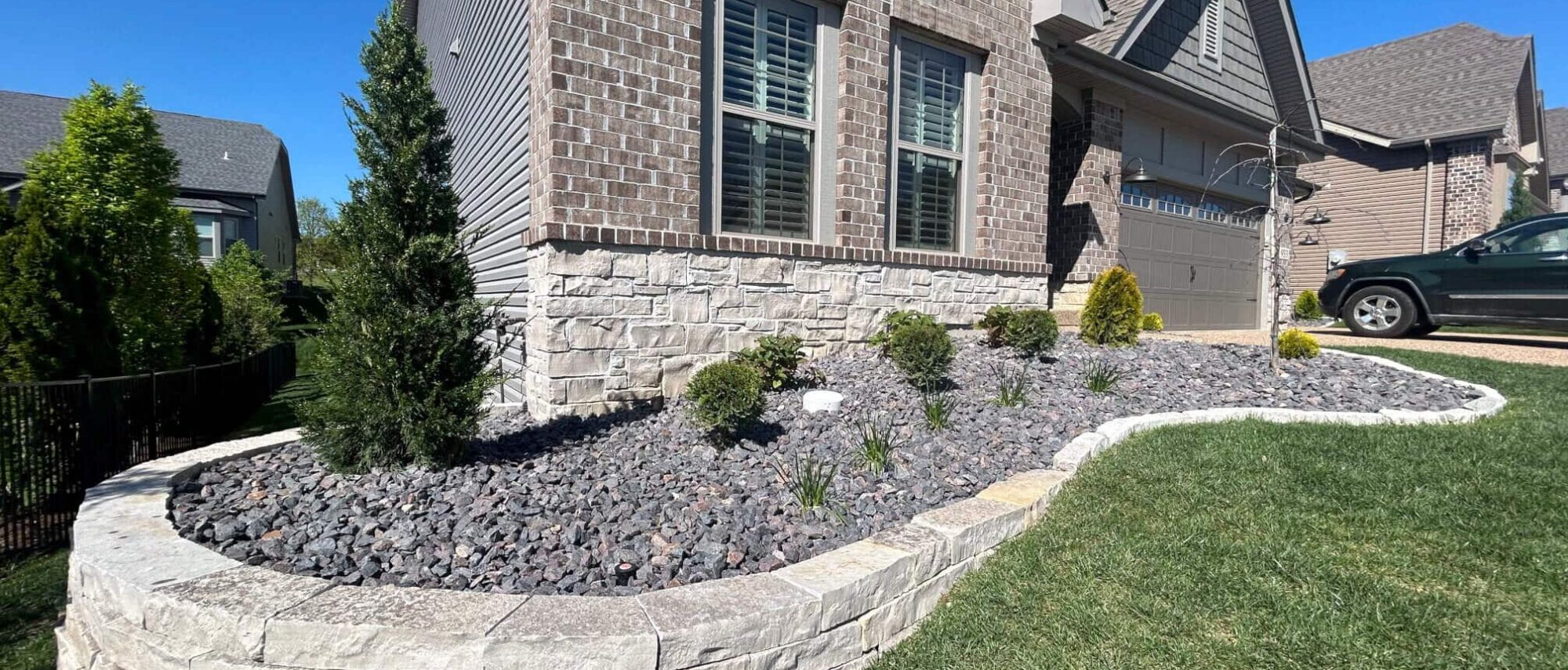
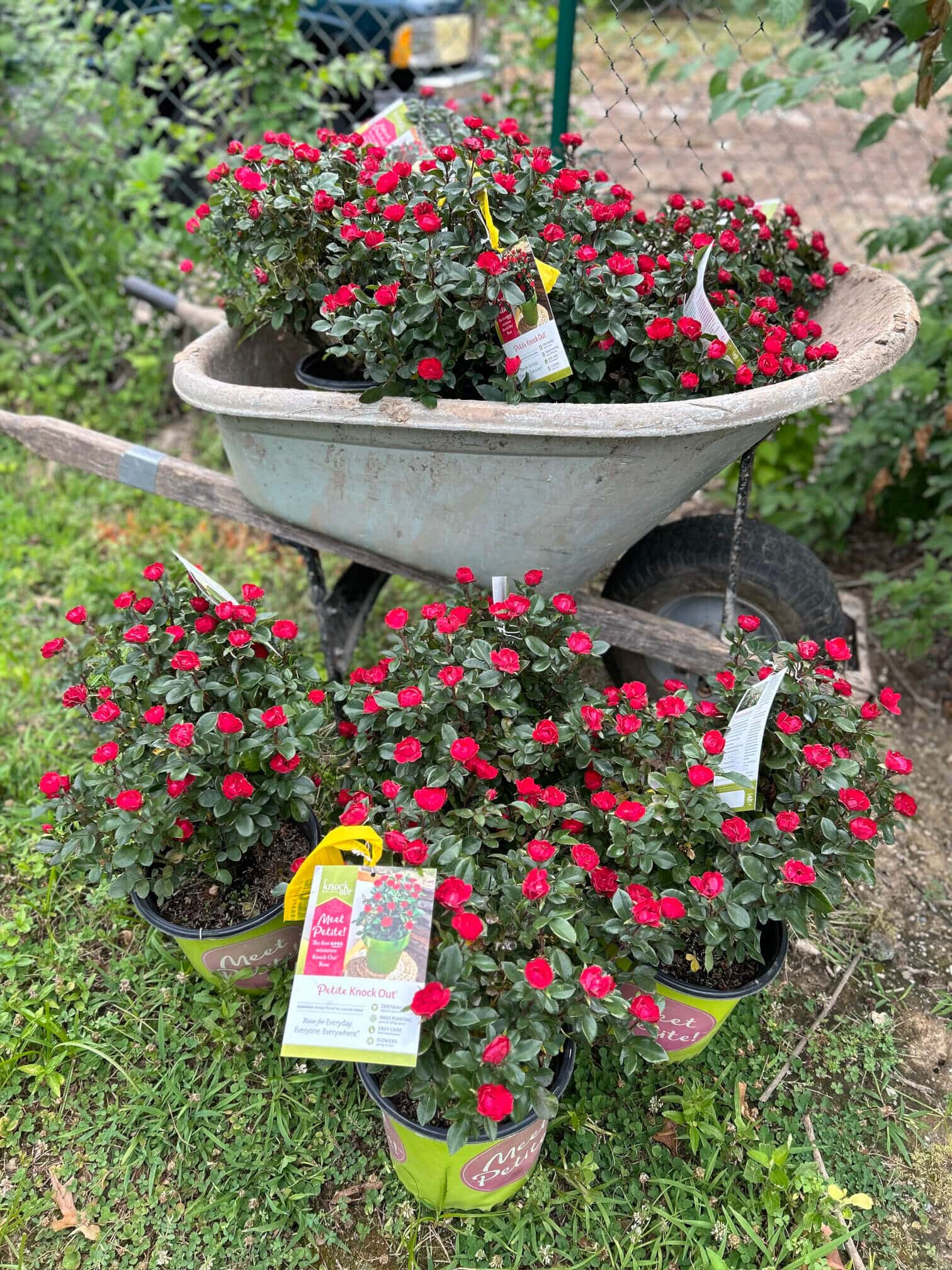
Landscaping

Annual flowers for landscaping

The Perfect Blend: Why You Should Incorporate Perennials and Annuals in Your Landscaping

When it comes to landscaping, many homeowners struggle to decide between perennials and annuals. While both have their own unique benefits, incorporating both into your outdoor space can create a stunning and thriving landscape. In this article, we’ll explore the advantages of combining perennials and annuals in your landscaping, and why it’s a decision you won’t regret.

The Benefits of Perennials

Perennials are plants that come back year after year, providing a low-maintenance and cost-effective option for landscaping. Some of the key benefits of perennials include:

Low Maintenance: Perennials require minimal upkeep, as they don’t need to be replanted every year. This means less time and money spent on gardening.
Cost-Effective: While the initial investment in perennials may be higher, they pay for themselves over time by reducing the need for frequent replanting.
Drought Tolerance: Many perennials are drought-tolerant, making them perfect for areas with water restrictions or dry climates.
Soil Improvement: Perennials help to improve soil health by adding organic matter and reducing erosion.

Some popular perennials for landscaping include coneflowers, black-eyed susans, and hostas.

The Benefits of Annuals

Annuals, on the other hand, are plants that complete their life cycle within a year and need to be replanted every spring. While they may require more maintenance than perennials, annuals offer their own set of benefits, including:

Color and Variety: Annuals come in a wide range of colors and varieties, allowing you to add a pop of color to your landscape.
Flexibility: Annuals can be easily swapped out to change up the look of your landscape or to accommodate different seasons.
Pest Control: Some annuals, such as marigolds and nasturtiums, repel pests and can help to reduce the need for pesticides.

Some popular annuals for landscaping include petunias, impatiens, and snapdragons.

Why Combine Perennials and Annuals?

So, why not choose one or the other? The truth is, combining perennials and annuals in your landscaping offers the best of both worlds. Here are just a few reasons why:

Year-Round Interest: By incorporating both perennials and annuals, you can create a landscape that offers year-round interest and beauty.
Texture and Depth: Mixing perennials and annuals adds texture and depth to your landscape, creating a visually appealing space.
Seasonal Variety: Annuals can be swapped out seasonally to reflect changing seasons and holidays, while perennials provide a consistent backdrop.
Pest Control and Soil Health: By incorporating both perennials and annuals, you can take advantage of the pest control benefits of annuals while also improving soil health with perennials.

Design Tips for Combining Perennials and Annuals

So, how do you combine perennials and annuals in your landscaping? Here are a few design tips to get you started:

Start with a Perennial Base: Use perennials as the foundation of your landscape, and then add annuals to fill in gaps and add color.
Choose Complementary Colors: Select annuals that complement the colors of your perennials to create a cohesive look.
Consider Scale: Make sure to choose annuals that are proportional to your perennials to avoid overwhelming the space.
Don’t Forget About Texture: Mix different textures, such as smooth leaves and fuzzy flowers, to add depth and interest to your landscape.

At Lawn Systems, Inc., we can design a modern landscaping that meets your design aesthetic and the scale of your lawn, call us today!

Remember to look to our professional line of services to keep your home and business lawn and landscaping looking great and with our help – maintenance free! Our services include: Sprinkler Systems, Landscaping, Lighting, Water Drainage Solutions, Outdoor Living Concepts, Water Features, Fertilization – Take a look at our gallery and read more about lawn services on our blog!

We serve the St. Louis community and the surrounding cities: Ballwin, Clayton, Fenton, Chesterfield, Ladue, Kirkwood, St. Charles, Lake St. Louis, Webster Groves and our surrounding area, call us today!
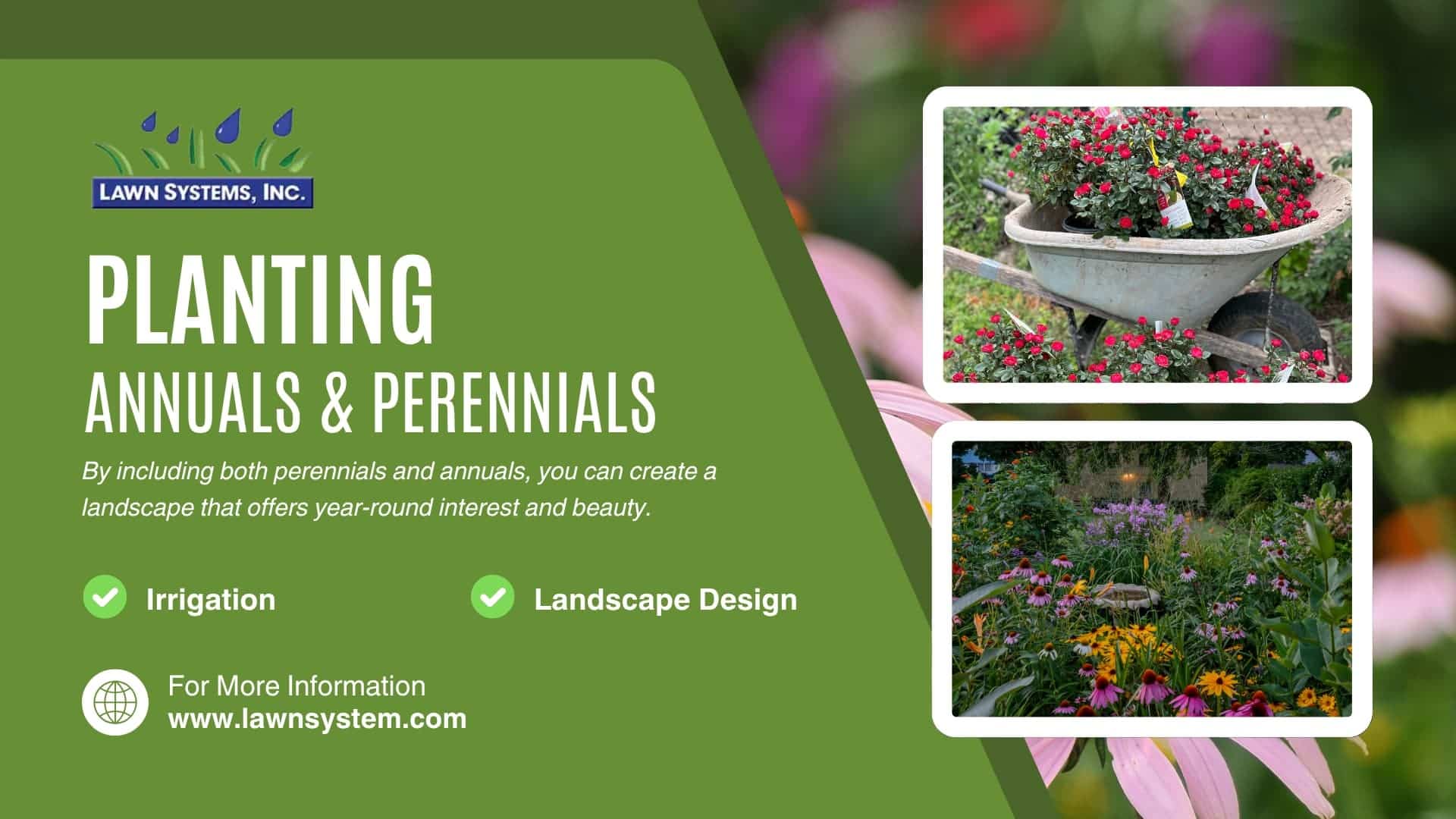
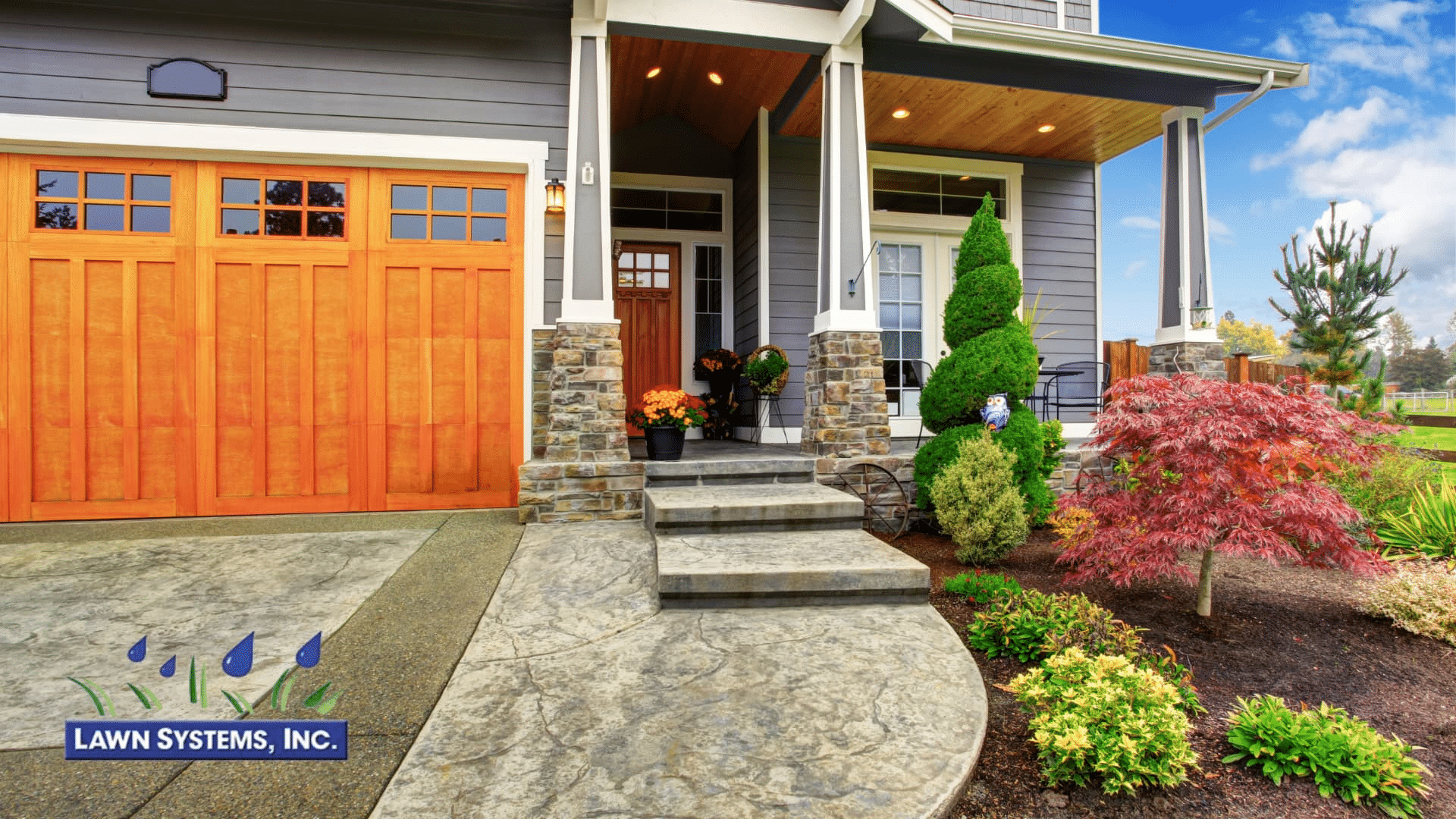
Planting annuals and perennials

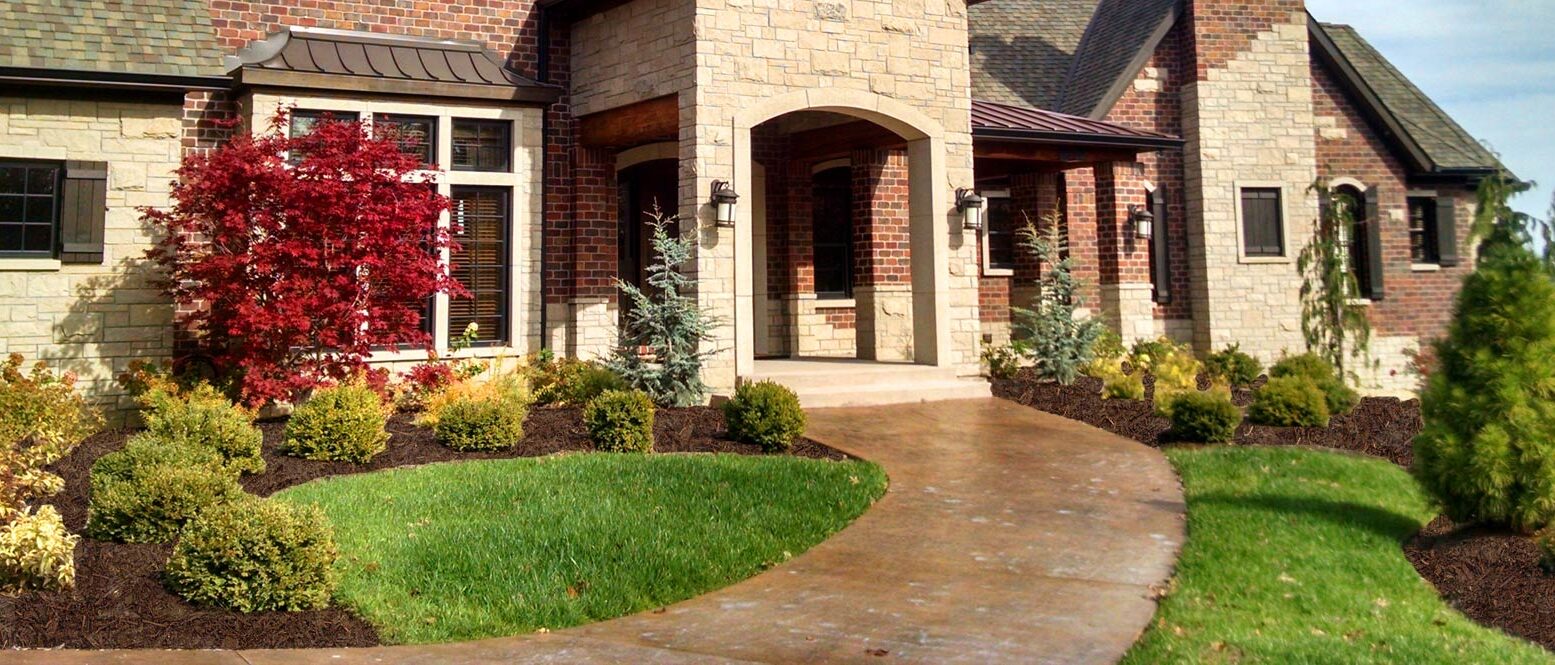
House with landscaping

Increase Your Home’s Curb Appeal

As a homeowner, you understand the importance of making a good first impression. Your home’s curb appeal is the first thing that potential buyers, neighbors, and friends notice when they visit your property. A well-manicured lawn, beautiful landscaping, and inviting exterior features can significantly increase your home’s value and make it stand out from the rest. In this article, we’ll explore 10 ways to increase your home’s curb appeal, from plant selection to outdoor lighting, to help you make a lasting impression.

Add Color with Flowers and Plants

Adding flowers and plants to your exterior is an easy and cost-effective way to boost your home’s curb appeal. Choose a mix of annuals and perennials to ensure year-round color and interest. Consider planting flowers in pots or planters to add a pop of color to your porch or patio. Don’t forget to add some greenery, such as shrubs or trees, to provide texture and depth to your landscaping.

Update Your House Numbers

Outdated house numbers can make your home look old and neglected. Update your house numbers with modern, stylish options that match your home‘s exterior style. You can choose from a variety of materials, such as brass, bronze, or stainless steel, and add some decorative flair with a house number plaque or sign.

Power Wash Your Siding and Walkways

Dirt, grime, and mildew can make your home’s exterior look dull and uninviting. Power washing your siding, walkways, and driveways can make a significant difference in your home’s curb appeal. This simple and affordable task can remove years of dirt and grime, leaving your home looking like new.

Add Some Texture with Hardscaping

Hardscaping features, such as patios, walkways, and retaining walls, can add texture and interest to your exterior. Choose materials that complement your home’s style, such as brick, stone, or concrete, and consider adding some decorative elements, such as a water feature or outdoor fireplace.

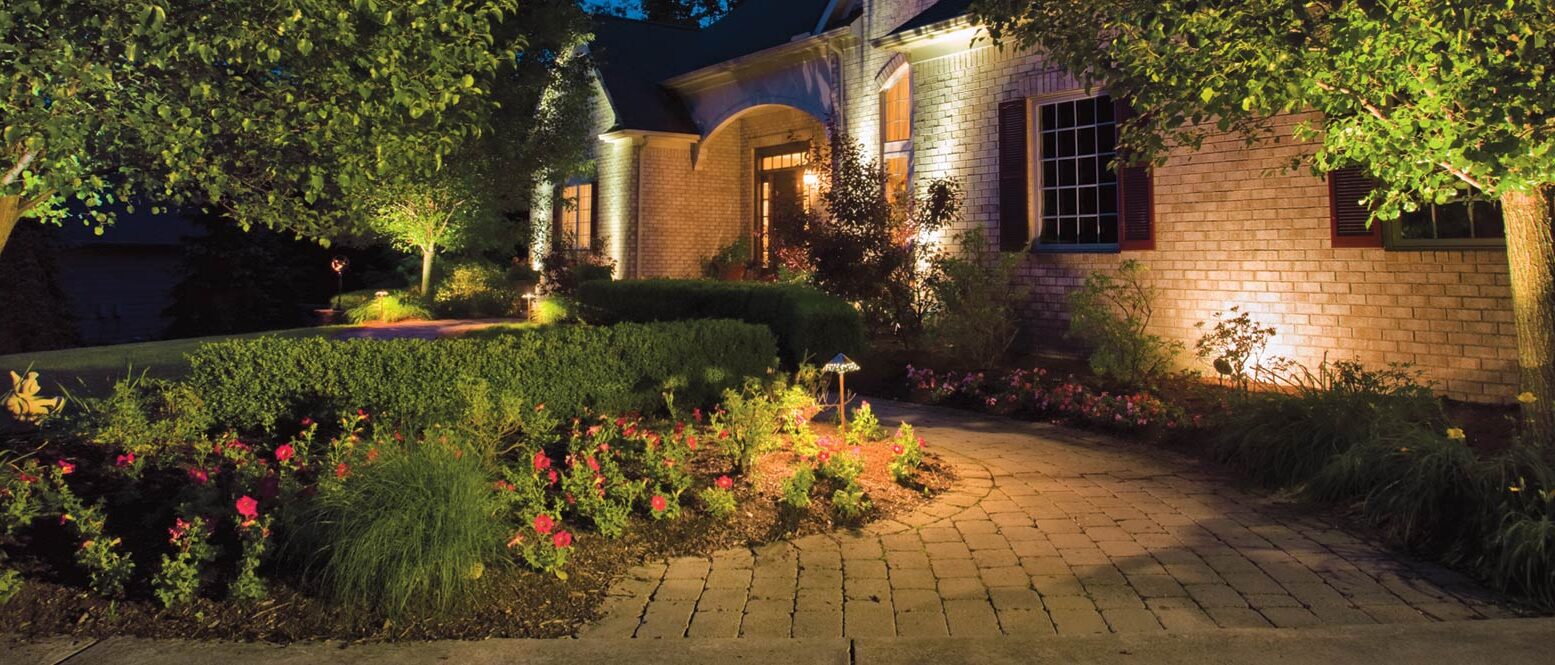
Install Outdoor Lighting

Outdoor lighting can make a significant impact on your home’s curb appeal, especially at night. Install pathway lighting, spotlights, or string lights to highlight your home‘s best features and create a warm and inviting ambiance. Solar-powered lights are a great option for energy efficiency and cost savings.

Incorporate Outdoor Decor

Outdoor decor, such as planters, statues, or outdoor art, can add some personality and style to your exterior. Choose items that complement your home’s style and add some visual interest to your porch, patio, or yard.

Improve Your Lawn Care

A well-manicured lawn is essential for good curb appeal. Keep your lawn mowed, edged, fertilized, and watered regularly to keep it looking its best. Consider adding some lawn decorations, such as a bird bath or garden statue, to add some visual interest.

Increasing your home’s curb appeal doesn’t have to break the bank. With these 10 simple and affordable tips, you can make a significant impact on your home’s exterior and increase its value and appeal. Whether you’re looking to sell your home or simply make a good first impression, these tips and tricks can help you achieve your goals. So, get started today and watch your home’s curb appeal soar!

Remember to look to our professional line of services to keep your home and business lawn and landscaping looking great and with our help – maintenance free! Our services include: Sprinkler Systems, Landscaping, Lighting, Water Drainage Solutions, Outdoor Living Concepts, Water Features, Fertilization – Take a look at our gallery and read more about lawn services on our blog!

We serve the St. Louis community and the surrounding cities: Ballwin, Clayton, Fenton, Chesterfield, Ladue, Kirkwood, St. Charles, Lake St. Louis, Webster Groves and our surrounding area, call us today!
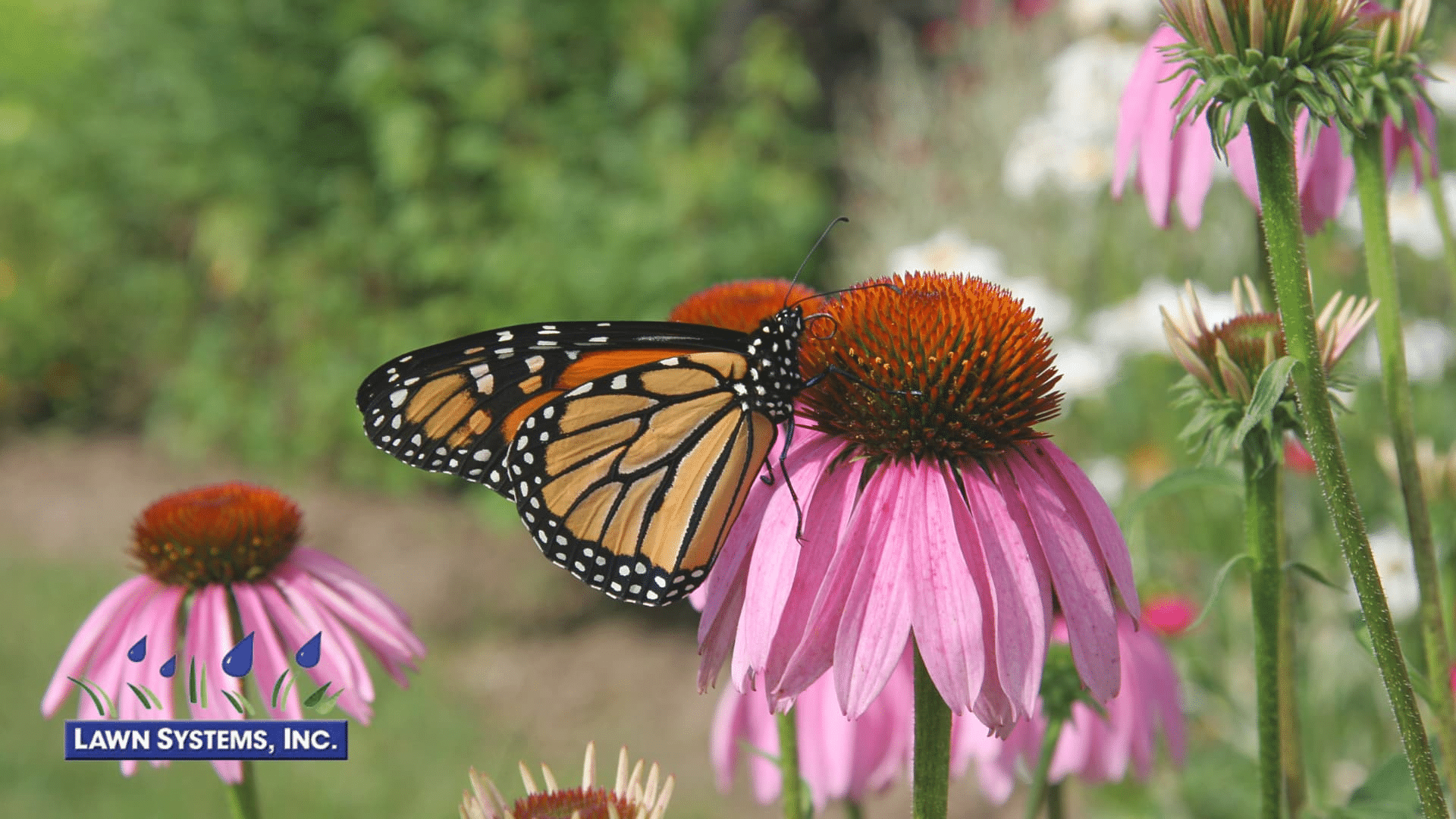
Purple Coneflower with butterfly

The Benefits of Native Plant Species in Landscaping in the Midwest

As homeowners and landscapers in the Midwest, we’re constantly searching for ways to create beautiful, thriving outdoor spaces that require minimal upkeep and maintenance. One often-overlooked solution is the use of native plant species in landscaping. Not only do native plants offer a range of benefits for our gardens and yards, but they also play a crucial role in supporting local ecosystems and preserving biodiversity.

Low-Maintenance Requirements

One of the most significant advantages of using native plant species in landscaping is their low-maintenance requirements. Native plants have evolved over thousands of years to thrive in the Midwest’s unique climate and soil conditions, which means they’re naturally adapted to survive with minimal care. This translates to fewer hours spent watering, pruning, and fertilizing, and more time enjoying your outdoor space.

In contrast, non-native plants often require extensive maintenance to thrive in the Midwest’s climate. They may need frequent watering, fertilization, and pest control, which can be time-consuming and costly. By choosing native plants, you can reduce your environmental impact and save time and money on maintenance.

Resistance to Pests and Diseases

Native plants have also developed natural defenses against pests and diseases that are common in the Midwest. This means they’re less likely to be damaged by insects, fungi, and other pathogens that can devastate non-native plants. By using native plants, you can reduce your reliance on pesticides and fungicides, which can harm local ecosystems and contaminate soil and water.

Benefits to Local Ecosystems

Perhaps the most significant benefit of using native plant species in landscaping is their impact on local ecosystems. Native plants provide vital food and shelter for native wildlife, such as bees, butterflies, and birds. They also help to maintain soil health, prevent erosion, and support biodiversity.

In contrast, non-native plants can outcompete native species for resources, leading to a decline in local biodiversity. They can also alter ecosystem processes, such as nutrient cycling and water flow, which can have far-reaching consequences for local ecosystems.

Attractive and Versatile Native Plant Species

So, which native plant species are suitable for landscaping in the Midwest? Here are a few attractive and versatile options to consider:

Black-eyed Susan: This daisy-like flower is a staple of Midwestern prairies and meadows. It’s easy to grow, attracts pollinators, and blooms from mid-summer to fall.
Butterfly Milkweed: This perennial flower is a vital food source for monarch butterflies and other pollinators. It’s low-maintenance, drought-tolerant, and produces bright orange flowers in the summer.
Little Bluestem: This native grass is a popular choice for landscaping in the Midwest. It’s low-maintenance, tolerant of drought and heat, and produces a beautiful blue-gray foliage.
Purple Coneflower: This perennial flower is a favorite of bees and butterflies. It’s easy to grow, produces large, showy flowers in the summer, and can be used in a variety of landscaping applications.

Incorporating native plant species into your landscaping can have a significant impact on the health and beauty of your outdoor space. Not only do native plants require minimal maintenance and care, but they also provide vital benefits to local ecosystems. By choosing native plants, you can create a thriving, sustainable landscape that supports biodiversity and preserves the natural beauty of the Midwest.

Remember to look to our professional line of services to keep your home and business lawn and landscaping looking great and with our help – maintenance free! Our services include: Sprinkler Systems, Landscaping, Lighting, Water Drainage Solutions, Outdoor Living Concepts, Water Features, Fertilization – Take a look at our gallery and read more about lawn services on our blog!

We serve the St. Louis community and the surrounding cities: Ballwin, Clayton, Fenton, Chesterfield, Ladue, Kirkwood, St. Charles, Lake St. Louis, Webster Groves and our surrounding area, call us today!
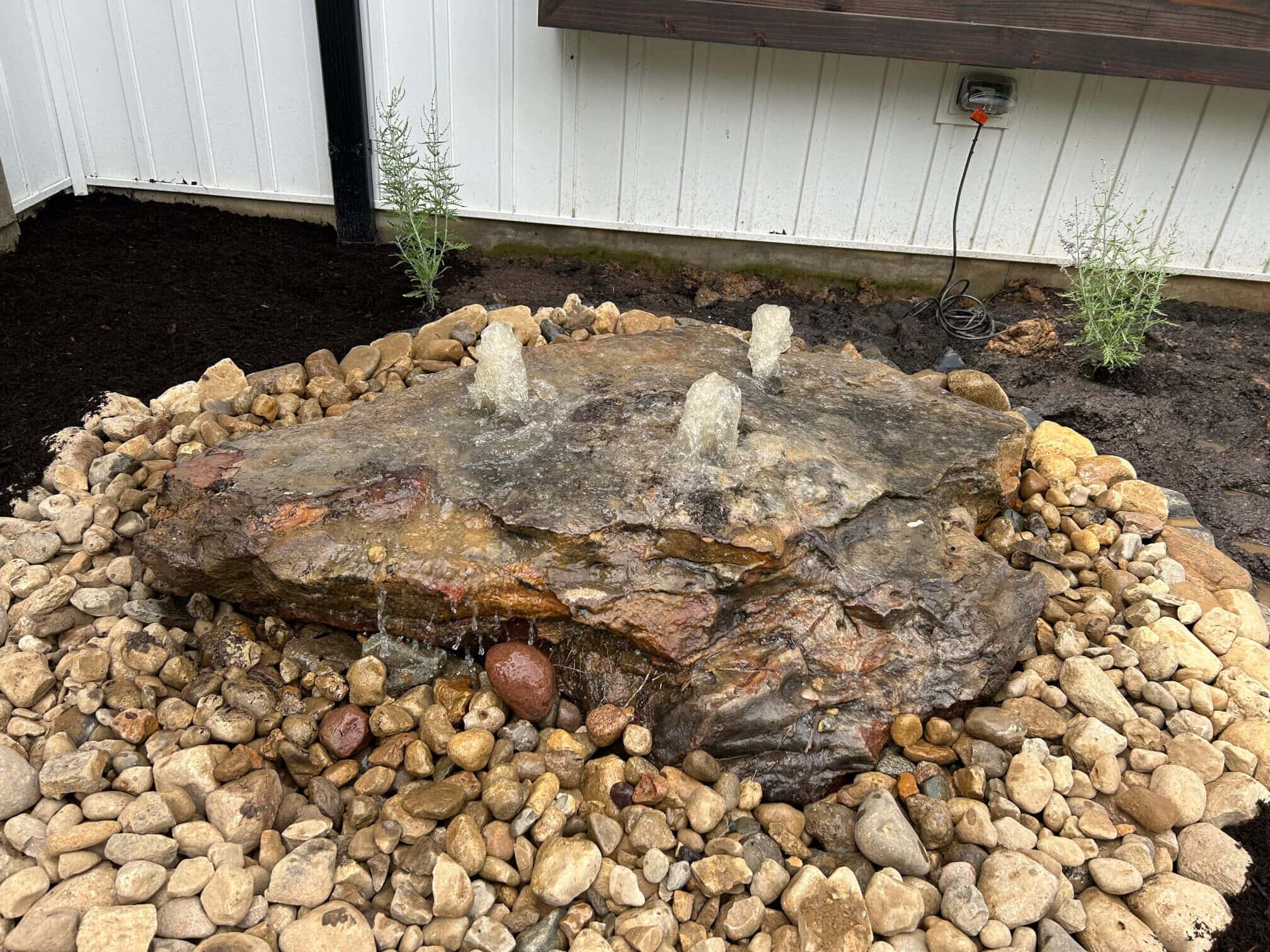
Natural Stone Water Fountain

It’s Time for A New Water Feature in Your Landscaping!

As you stand in your backyard, envisioning the perfect outdoor oasis, you can’t help but wonder: what kind of water feature would elevate my landscape to the next level? With so many options available, it’s easy to get overwhelmed. But fear not, because we’re about to dive into the world of water features and explore the best options for your outdoor space.

Why Incorporate a Water Feature?

Before we dive into the different types of water features, let’s talk about why they’re so beneficial in the first place. Water features can:

* Create a sense of calm and serenity, perfect for relaxation and stress relief
* Attract wildlife, such as birds and butterflies, adding to the natural beauty of your landscape
* Mask unwanted noises, like road noise or neighbors’ chatter
* Increase your property value, making your home more attractive to buyers if you ever decide to sell
* Provide a unique focal point, drawing the eye to a specific area of your yard

Types of Water Features

Now that we’ve covered the benefits, let’s explore the different types of water features you can incorporate into your landscape.

1. Ponds

Ponds are a popular choice for those with larger yards. These small bodies of water can be stocked with fish, adding an extra layer of entertainment to your outdoor space. Ponds require regular maintenance, including cleaning the water and monitoring the ecosystem. However, the benefits far outweigh the extra work. Ponds can create a sense of tranquility, perfect for meditation or yoga attract a variety of wildlife, including birds, frogs, and fish provide a natural, serene atmosphere.

2. Fountains

Fountains are a great option for those with smaller yards or those who want a low-maintenance water feature. These decorative pieces can be placed in a variety of locations, from patios to entryways. Fountains:

* Add visual interest to your landscape
* Create a soothing, calming atmosphere
* Can be customized to fit your personal style

3. Waterfalls

Waterfalls are a stunning addition to any landscape. These natural-looking features can be incorporated into ponds or used as a standalone feature. Waterfalls:

* Create a dramatic, eye-catching focal point
* Mask unwanted noises, like road noise or neighbors’ chatter
* Add a touch of natural beauty to your landscape

4. Birdbaths

Birdbaths are a simple, yet effective way to attract wildlife to your yard. These small, shallow dishes of water:

* Attract a variety of bird species
* Provide a source of water for birds and other small animals
* Add a touch of whimsy to your landscape

Considerations Before Choosing a Water Feature

Before making a final decision, consider the following factors:

* Space: How much room do you have for your water feature?
* Budget: What is your budget for the water feature and upkeep?
* Maintenance: How much time and effort are you willing to dedicate to maintaining your water feature?
* Noise: Do you want to achieve with your water feature? Do you want to mask unwanted noises or create a soothing atmosphere?

Choosing the right water feature for your landscape can be a daunting task, but with the right information, you can make an informed decision. Whether you opt for a pond, fountain, waterfall, birdbath, or rain chain, remember to consider your space, budget, maintenance, and noise goals. With the right feature, you can create a serene, natural oasis that will provide years of enjoyment.

At Lawn Systems, Inc., we can incorporate a water feature and many other options that meet your design aesthetic and the scale of your lawn, call us today!

Remember to look to our professional line of services to keep your home and business lawn and landscaping looking great and with our help – maintenance free! Our services include: Sprinkler Systems, Landscaping, Lighting, Water Drainage Solutions, Outdoor Living Concepts, Water Features, Fertilization – Take a look at our gallery and read more about lawn services on our blog!

We serve the St. Louis community and the surrounding cities: Ballwin, Clayton, Fenton, Chesterfield, Ladue, Kirkwood, St. Charles, Lake St. Louis, Webster Groves and our surrounding area, call us today!

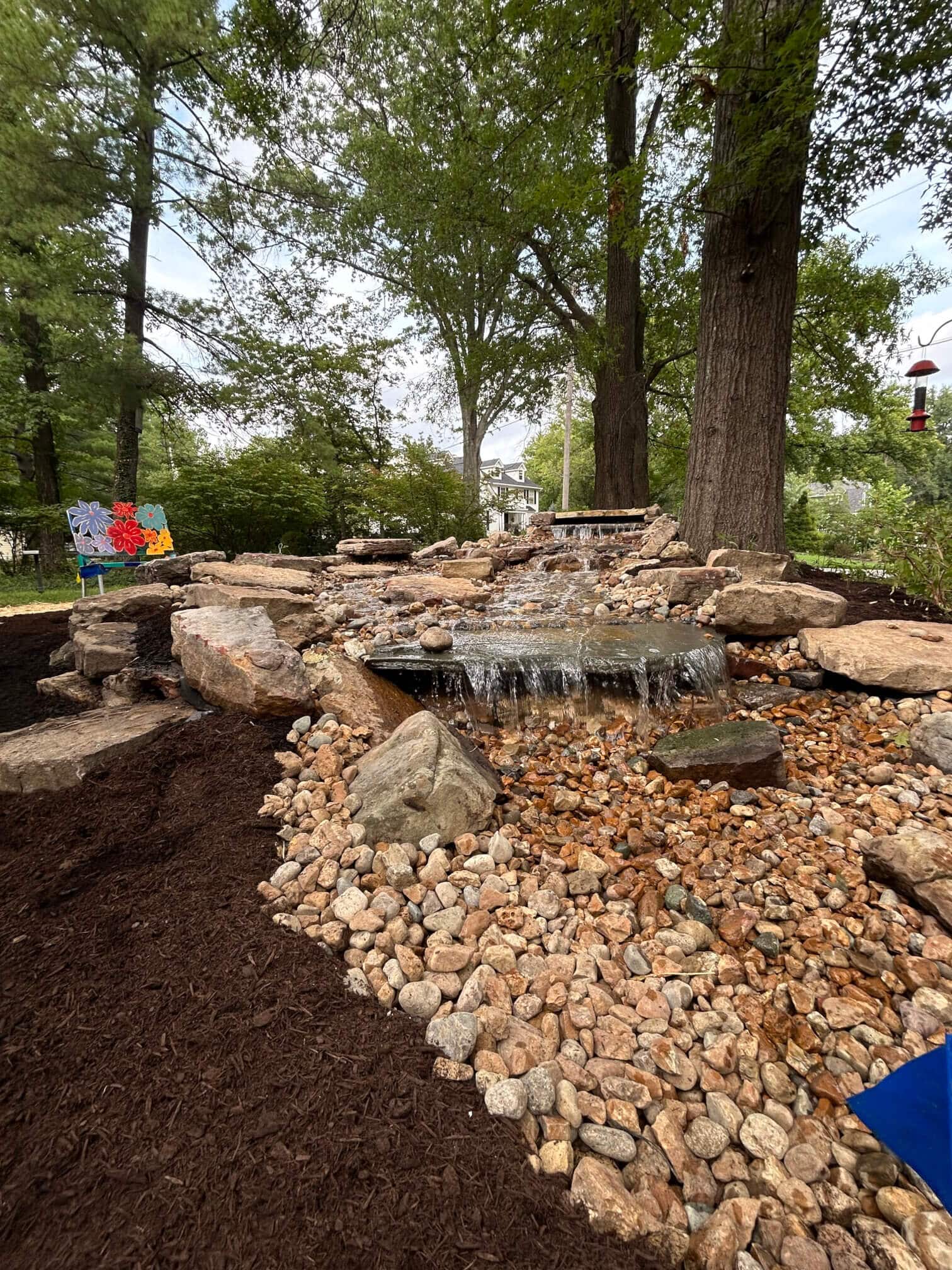
Stone Waterfall Feature Surrounded by Natural Stone Decorative Rock with Trees and Bushes

Stone Waterfall Feature Surrounded by Natural Stone Decorative Rock with Trees and Bushes

Stone Waterfall Feature Surrounded by Natural Stone Decorative Rock

Stone Waterfall Feature Surrounded by Natural Stone Decorative Rock

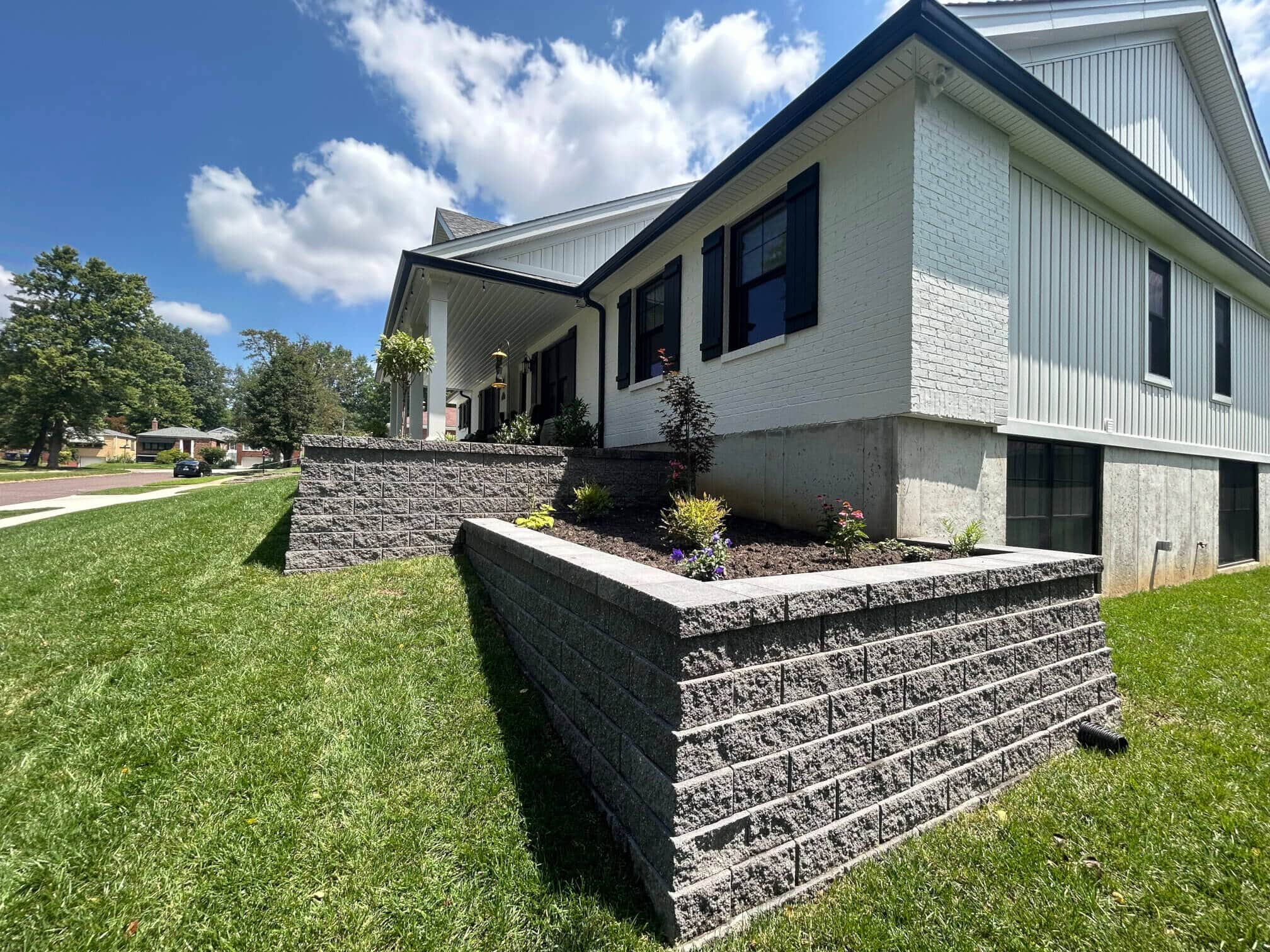
Retaining wall on multi-level lawn

The Benefits of Updating Your Retaining Wall

As a homeowner, you take pride in your property’s appearance and functionality. One crucial aspect of your outdoor space is the retaining wall. While it may seem like a minor feature, a retaining wall plays a vital role in maintaining your yard’s structure, preventing soil erosion, and adding aesthetic appeal. Over time, however, your retaining wall may start to show signs of wear and tear, compromising its integrity and functionality. This is where updating your retaining wall comes into play.

Why Update Your Retaining Wall?

Before we dive into the benefits of updating your retaining wall, it’s essential to understand why it’s necessary in the first place. Here are a few reasons why updating your retaining wall is crucial:
* Soil erosion: As soil settles or is washed away, your retaining wall may start to shift, leading to structural damage.
* Water damage: If your retaining wall is not designed to handle water flow, it can cause water to accumulate, leading to erosion and structural issues.
* Safety concerns: A damaged retaining wall can pose a safety risk, especially if it’s located near a walkway or play area.

Benefits of Updating Your Retaining Wall

Now that we’ve established the importance of updating your retaining wall, let’s explore the benefits of doing so:

1. Enhanced Safety

A well-maintained retaining wall ensures that your outdoor space is secure and safe for everyone who uses it. By updating your retaining wall, you can prevent accidents caused by structural failures, ensuring peace of mind for you and your loved ones.

2. Aesthetic Appeal

An updated retaining wall can significantly enhance your property’s curb appeal. With a wide range of materials and design options available, you can create a visually appealing outdoor space that reflects your personal style.

3. Increased Property Value

A well-maintained retaining wall can increase your property’s value, making it more attractive to potential buyers if you decide to sell in the future.

4. Improved Functionality

An updated retaining wall can help prevent soil erosion, allowing you to create a more functional and usable outdoor space. You can use the area behind the wall for gardening, outdoor seating, or even a small patio.

5. Reduced Maintenance

A new retaining wall requires less maintenance compared to an old, damaged wall. This means you’ll spend less time and money on repairs and maintenance, freeing up resources for other important tasks.

6. Environmental Benefits

By preventing soil erosion, you’re also helping to prevent water pollution and preserve natural habitats. An updated retaining wall can also help reduce stormwater runoff, which can harm local waterways.

7. Cost Savings

While updating your retaining wall may seem like a significant investment, it can save you money in the long run. A well-maintained retaining wall can prevent costly repairs, reduce maintenance expenses, and even increase your property’s value.

8. Compliance with Local Regulations

In some areas, local regulations require homeowners to maintain their walls to prevent soil erosion and water damage. By updating your retaining wall, you can ensure compliance with these regulations, avoiding potential fines or legal issues.

9. Increased Property Enjoyment

Perhaps the most significant benefit of updating your retaining wall is the increased enjoyment you’ll get from your outdoor space. With a safe, functional, and aesthetically pleasing area, you’ll be more likely to spend time outdoors, entertain friends and family, and create lasting memories.

Updating your retaining wall is a crucial investment in your property’s safety, aesthetic appeal, and functionality. By understanding the benefits of updating your retaining wall, you can make an informed decision about whether it’s time to take action. Don’t wait until it’s too late – update your retaining wall today and start enjoying the benefits it has to offer.

At Lawn Systems, Inc., we can design a retaining wall that meets your design aesthetic and the scale of your lawn, call us today!

Remember to look to our professional line of services to keep your home and business lawn and landscaping looking great and with our help – maintenance free! Our services include: Sprinkler Systems, Landscaping, Lighting, Water Drainage Solutions, Outdoor Living Concepts, Water Features, Fertilization – Take a look at our gallery and read more about lawn services on our blog!

We serve the St. Louis community and the surrounding cities: Ballwin, Clayton, Fenton, Chesterfield, Ladue, Kirkwood, St. Charles, Lake St. Louis, Webster Groves and our surrounding area, call us today!
Retaining Wall with Tall Shrubs Framing A House

Retaining Wall with Tall Shrubs Framing A House

Retaining wall walls on multi-level law with cottage-style home

Retaining walls on multi-level lawn

Decorative rock with hostas and stone border

Utilizing Decorative Rock for Low Maintenance Landscaping

When it comes to landscaping, there are numerous options to choose from, each with its unique set of benefits. One often overlooked, yet highly effective, choice is decorative rock landscaping. Not only does it add a touch of elegance to your outdoor space, it also offers a multitude of practical advantages. In this article, we’ll delve into the benefits of using decorative rock in landscaping, and explore why it’s an excellent choice for homeowners seeking to elevate their outdoor living areas.

Aesthetic Appeal

One of the most obvious benefits of decorative rock landscaping is its visual appeal. Available in a wide variety of colors, textures, and sizes, decorative rocks can be used to create beautiful, one-of-a-kind designs that complement your home’s architecture and surrounding landscape. Whether you’re looking to create a modern, sleek look or a more rustic, natural ambiance, decorative rocks can help you achieve your desired aesthetic.

Moreover, decorative rocks are incredibly versatile, allowing you to get creative with your design. You can use them to create intricate patterns, borders, or even use them as a standalone feature, such as endless. The result is a beautiful, eye-catching outdoor space that’s sure to impress friends, family, and neighbors alike.

Low Maintenance

One of the most significant benefits of decorative rock landscaping is its low maintenance requirements. Unlike grass, which needs regular mowing, watering, and fertilizing, decorative rocks require little to no upkeep. This makes them an ideal choice for busy homeowners who don’t have the time or desire to spend hours tending to their lawn.

Additionally, decorative rocks are resistant to pests, diseases, and extreme weather conditions, which means you won’t have to worry about them getting damaged or dying off. This not only saves you time and effort but also reduces the need for costly repairs or replacements.

Erosion Control

Decorative rocks are also an effective way to control erosion. By placing rocks in areas prone to erosion, such as slopes or hills, you can prevent soil from washing away, which can lead to costly repairs and even damage to your home’s foundation.

Furthermore, decorative rocks can help to prevent water accumulation, which can lead to puddles, mud, and other safety hazards. By allowing water to drain freely, decorative rocks help to create a safer, more stable outdoor environment.

Weed Suppression

Another significant benefit of decorative rock landscaping is its ability to suppress weeds. Weeds can be a major nuisance, stealing water, nutrients from your desired plants, and creating an unsightly, unkempt appearance. By using decorative rocks, you can prevent weeds from growing in the first place, reducing the need for herbicides, and other weed control methods.

Improved Drainage

Decorative rocks also play a crucial role in improving drainage. By allowing water to flow freely, decorative rocks help to prevent water accumulation, which can lead to puddles, mud, and other safety hazards. This not only creates a safer outdoor environment but also helps to prevent water damage to your home’s foundation.

Increased Property Value

Finally, decorative rock landscaping can significantly increase your property value. A well-designed outdoor space can add thousands of dollars to your home’s value, making it more attractive to potential buyers if you ever decide to sell.

In addition, decorative rocks are a long-term investment, as they won’t need to be replaced or updated frequently, unlike other landscaping materials. This means you can enjoy the benefits of decorative rock landscaping without worrying about the long-term costs.

At Lawn Systems, Inc., we can incorporate decorative rock and many other options that meet your design aesthetic and the scale of your lawn, call us today!

We utilize the follow decorative rock options:

  • Iowa Rainbow Rock 1.5”
  • Iowa Rainbow Creek Rock 2-5”
  • Meramec Gravel (various sizes)
  • Trap Rock 2”
  • Trap Rock ¾”

Remember to look to our professional line of services to keep your home and business lawn and landscaping looking great and with our help – maintenance free! Our services include: Sprinkler Systems, Landscaping, Lighting, Water Drainage Solutions, Outdoor Living Concepts, Water Features, Fertilization – Take a look at our gallery and read more about lawn services on our blog!

We serve the St. Louis community and the surrounding cities: Ballwin, Clayton, Fenton, Chesterfield, Ladue, Kirkwood, St. Charles, Lake St. Louis, Webster Groves and our surrounding area, call us today!
Decorative rock with stone border, stone path, and shrubs

Decorative rock with stone border, stone path, and shrubs

Decorative rock with hostas, shrubs, and a stone border

Decorative rock with hostas, shrubs, and a stone border

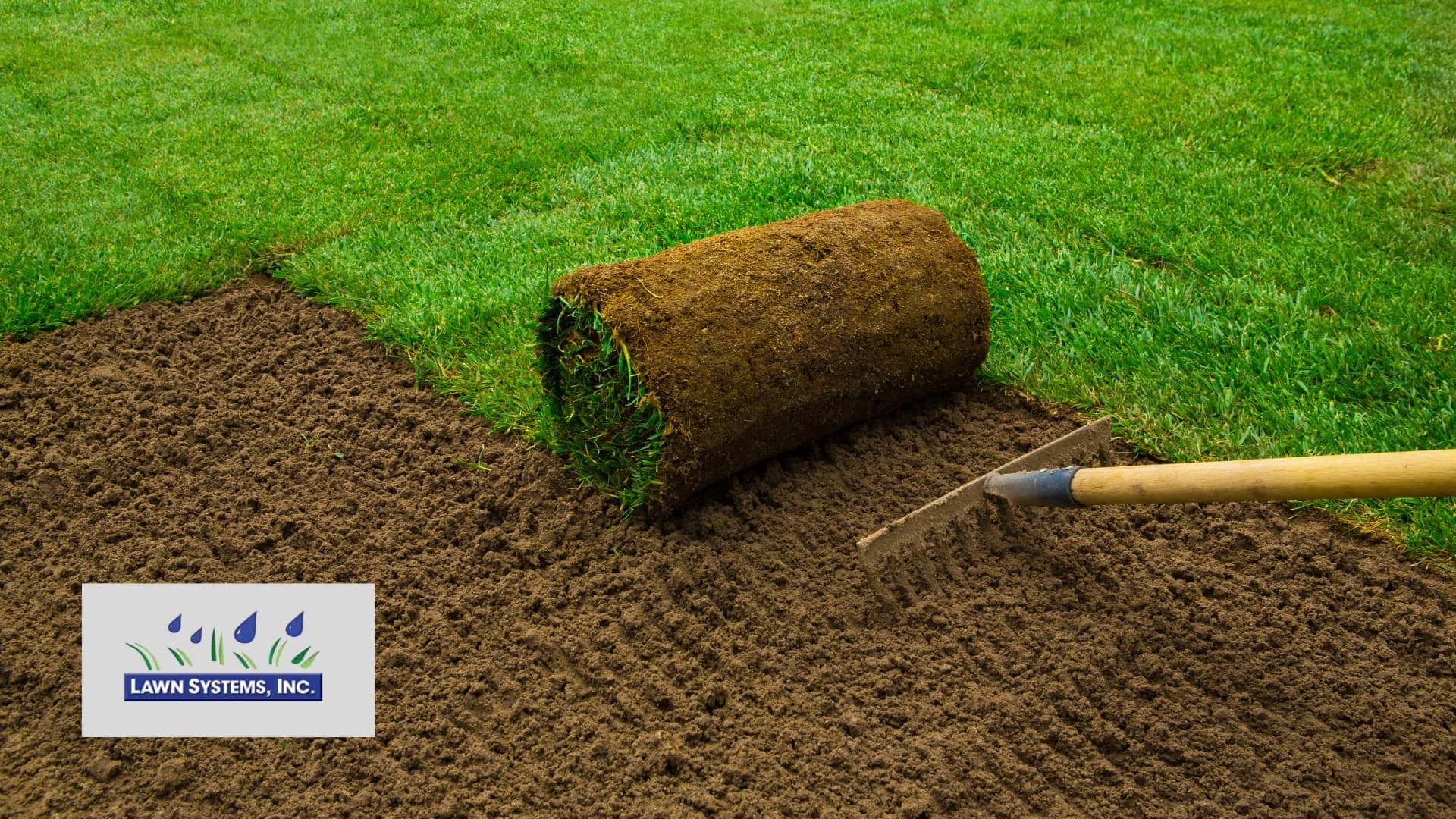
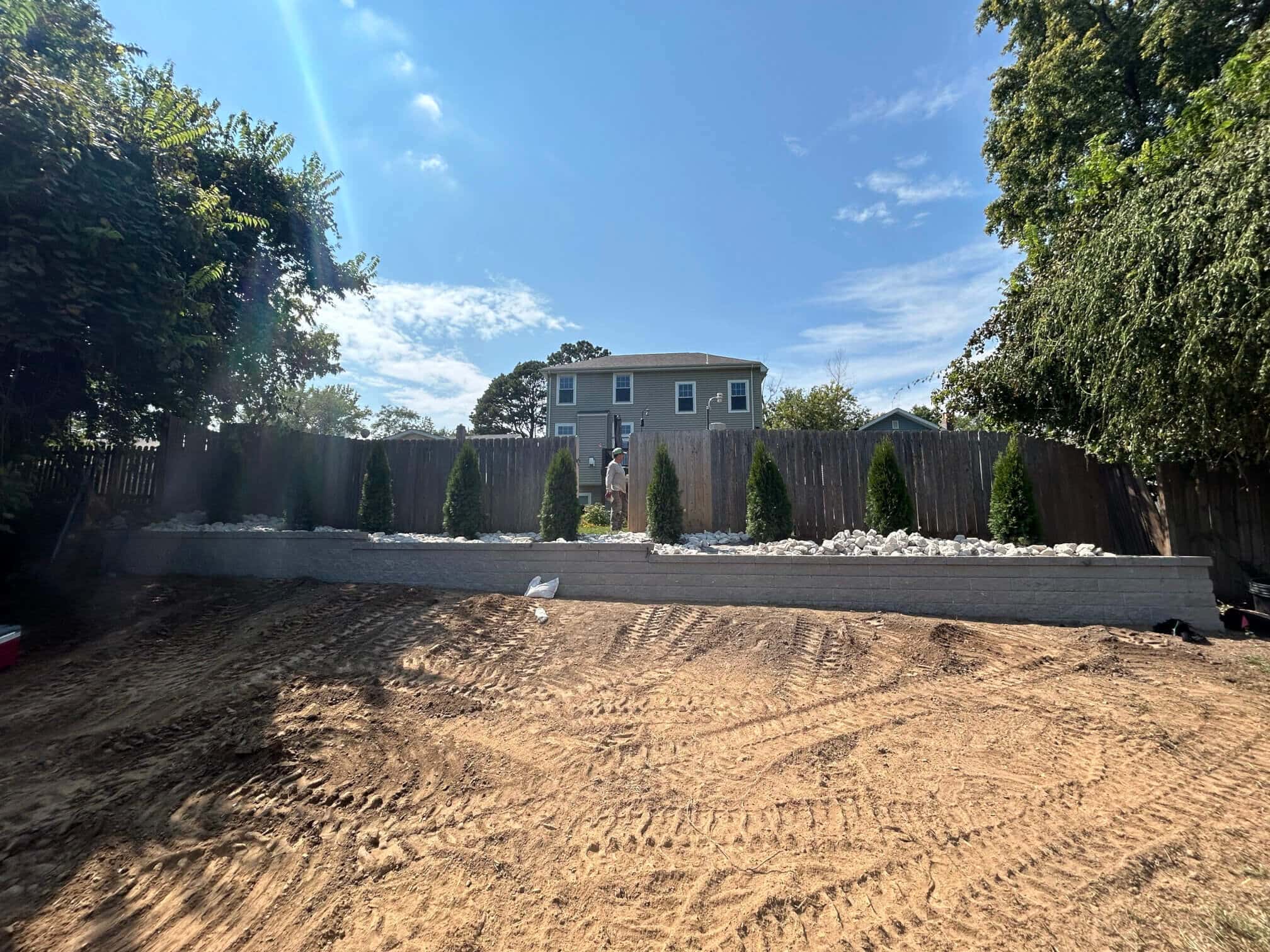
Ground being prepared for sod

The Benefits of Installing Sod

When it comes to creating a lush, green lawn, many homeowners struggle with the decision between seeding and sodding. While seeding can be a cost-effective option, it often requires extensive maintenance, patience, and time. On the other hand, installing sod can provide instant gratification and a multitude of benefits that make it a worthwhile investment.

Instant Results

One of the most significant benefits of installing sod is the instant results it provides. Unlike seeding, which can take weeks or even months to germinate and grow, sod gives you a lush, green lawn immediately. This is especially beneficial for homeowners who want to enhance their outdoor living space quickly, whether it’s for a special event or to increase their property’s curb appeal.

Low Maintenance

Sod is a low-maintenance option compared to seeding. With sod, you don’t need to worry about frequent watering, mowing, or fertilizing. Sod is already established, so it requires less care and attention, making it an ideal choice for busy homeowners or those who don’t have a green thumb.

Erosion Control

Sod helps to prevent soil erosion, which can be a significant problem in areas with heavy rainfall or sloping lawns. The dense network of roots in sod holds the soil in place, reducing the risk of erosion and sedimentation. This not only protects your lawn but also prevents soil from entering nearby waterways, making it an environmentally friendly option.

Improved Air Quality

Lawns, including those installed with sod, play a crucial role in improving air quality. They absorb carbon dioxide, release oxygen, and trap pollutants, making the air cleaner and healthier to breathe. In fact, a single square foot of lawn can produce enough oxygen for a person to breathe for an entire day.

Noise Reduction

Sod can also act as a natural sound barrier, reducing noise pollution and creating a more peaceful outdoor environment. The dense grass and soil in sod absorb sound waves, making it an ideal choice for homes located near busy roads or noisy areas.

Increased Property Value

A lush, green lawn installed with sod can significantly increase your property value. According to the National Association of Realtors, a well-manicured lawn can recoup up to 100% of its cost at resale. This makes sod a smart investment for homeowners looking to boost their property’s value.

Drought Tolerance

Many types of sod are drought-tolerant, making them an ideal choice for homeowners living in areas with water restrictions or limited rainfall. Drought-tolerant sod requires less watering, reducing your water bill and environmental impact.

Pest and Weed Control

Sod is less susceptible to pests and weeds compared to seeded lawns. The dense grass in sod chokes out weeds, reducing the need for herbicides and pesticides. This not only saves you time and money but also creates a healthier environment for your family and pets.

Year-Round Color

With sod, you can enjoy a lush, green lawn year-round, regardless of the season. Many types of sod are designed to thrive in different climates and weather conditions, providing a vibrant, green color even in the dead of winter.

Environmental Benefits

Sod has several environmental benefits, including:

* Reducing stormwater runoff by absorbing rainfall
* Filtering pollutants from the air and water
* Providing habitat for wildlife
* Reducing the urban heat island effect

Installing sod is a smart choice for homeowners looking to create a lush, green lawn with minimal maintenance. With its instant results, low maintenance, and numerous benefits, sod is an investment that will pay off for years to come. Whether you’re looking to enhance your outdoor living space, increase your property value, or simply enjoy a peaceful and calming environment, sod is the perfect choice.

Don’t wait any longer to achieve the lawn of your dreams. Contact Lawn Systems, Inc. to learn more about the benefits of installing sod and how it can transform your outdoor space. With its numerous advantages and long-term benefits, sod is an investment that will provide a lifetime of enjoyment and value.

At Lawn Systems, Inc., we have a program in place to help will all your fertilization needs, call us today to set up your scheduled fertilization visits!

Remember to look to our professional line of services to keep your home and business lawn and landscaping looking great and with our help – maintenance free! Our services include: Sprinkler Systems, Landscaping, Lighting, Water Drainage Solutions, Outdoor Living Concepts, Water Features, Fertilization – Take a look at our gallery and read more about lawn services on our blog!

We serve the St. Louis community and the surrounding cities: Ballwin, Clayton, Fenton, Chesterfield, Ladue, Kirkwood, St. Charles, Lake St. Louis, Webster Groves and our surrounding area, call us today!
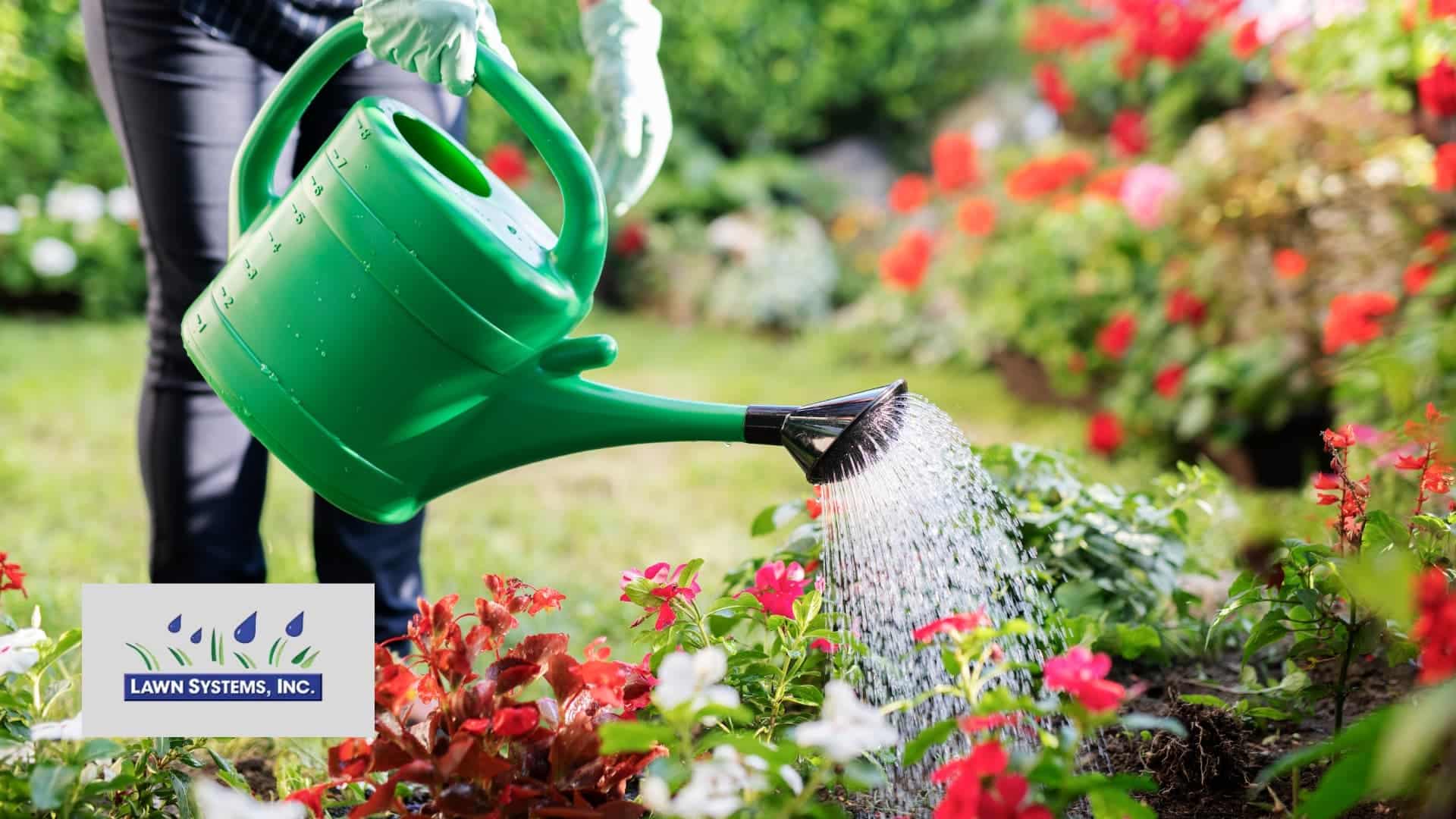
Person watering plants

Watering Techniques: A Guide to Soil-Specific Strategies

Watering Landscaping: A Guide to Soil-Specific Strategies

As a homeowner, you take pride in your outdoor space, investing time and effort into creating a beautiful landscape that enhances your property’s curb appeal. However, one crucial aspect of landscape maintenance often gets overlooked: watering. Proper watering techniques can make all the difference between a thriving garden and a withered, brown mess. But did you know that the type of soil your plants are growing in plays a significant role in determining the best watering strategy?

Clay Soils: The Challenges and Opportunities

Clay soils are composed of tiny particles that are densely packed, making them prone to waterlogging. This can lead to root rot, nutrient deficiencies, and a host of other problems. However, clay soils also have some advantages. They tend to retain moisture well, reducing the need for frequent watering, and are often rich in nutrients.

Watering Strategies for Clay Soils:

1. Infrequent but Deep Watering: Clay soils benefit from infrequent, deep watering sessions. This encourages roots to grow deeper, making them more resistant to drought. Aim to water your clay soil plants every 7-10 days during hot weather, and every 4-6 weeks during cooler months.
2. Avoid Overwatering: Clay soils are susceptible to waterlogging, so it’s essential to avoid overwatering. Check the soil moisture by inserting your finger into the soil up to the knuckle. If the soil feels damp, wait a few more days before watering again.
3. Mulch and Compost: Mulching and composting can help improve the structure of clay soils, increasing their water-holding capacity and reducing the risk of waterlogging.

Sandy Soils: The Challenges and Opportunities

Sandy soils, on the other hand, are composed of large particles that drain quickly, making them prone to drying out. This can lead to nutrient deficiencies, as essential nutrients are washed away with the water. However, sandy soils also have some advantages. They warm up quickly in the spring, allowing for earlier planting, and are often well-draining, reducing the risk of waterlogging.

Watering Strategies for Sandy Soils:

1. Frequent but Shallow Watering: Sandy soils require more frequent, shallow watering sessions. This helps to prevent drying out and ensures that plants receive a steady supply of moisture. Aim to water your sandy soil plants every 3-5 days during hot weather, and every 7-10 days during cooler months.
2. Use Drought-Tolerant Plants: Sandy soils are ideal for drought-tolerant plants, which require less water and can thrive in these conditions. Consider incorporating plants like succulents, cacti, or native grasses into your landscape.
3. Add Organic Matter: Adding organic matter like compost or well-rotted manure can help improve the water-holding capacity of sandy soils, reducing the need for frequent watering.

Additional Tips for Effective Watering

1. Monitor Weather Conditions: Adjust your watering schedule according to weather conditions. During hot, dry spells, increase watering frequency. During cool, rainy periods, reduce watering frequency.
2. Use Efficient Irrigation Systems: Invest in efficient irrigation systems like drip irrigation or soaker hoses, which deliver water directly to the roots, reducing evaporation and runoff.
3. Water in the Morning: Water your plants in the morning, allowing the plants to absorb the water throughout the day. Avoid watering in the evening, as this can encourage fungal growth and other problems.

Watering your landscape effectively requires a deep understanding of your soil type and its unique characteristics. By adopting soil-specific watering strategies, you can ensure your plants receive the right amount of moisture to thrive. Remember, clay soils benefit from infrequent, deep watering, while sandy soils require frequent, shallow watering. By incorporating these techniques into your landscape maintenance routine, you’ll be well on your way to creating a lush, vibrant outdoor space that enhances your property’s value and beauty.

Don’t let your hard work and investment in your landscape go to waste. Proper watering techniques can make all the difference between a thriving garden and a withered, brown mess. By adopting soil-specific watering strategies, you’ll not only save time and money on water bills, but you’ll also enjoy a more beautiful, resilient outdoor space that brings joy and relaxation to your family and friends. So, take the first step today and start watering your landscape like a pro and Contact Lawn Systems, Inc. for all your landscaping needs!

At Lawn Systems, Inc., we have a program in place to help will all your fertilization needs, call us today to set up your scheduled fertilization visits!

Remember to look to our professional line of services to keep your home and business lawn and landscaping looking great and with our help – maintenance free! Our services include: Sprinkler Systems, Landscaping, Lighting, Water Drainage Solutions, Outdoor Living Concepts, Water Features, Fertilization – Take a look at our gallery and read more about lawn services on our blog!

We serve the St. Louis community and the surrounding cities: Ballwin, Clayton, Fenton, Chesterfield, Ladue, Kirkwood, St. Charles, Lake St. Louis, Webster Groves and our surrounding area, call us today!